INNOVATION
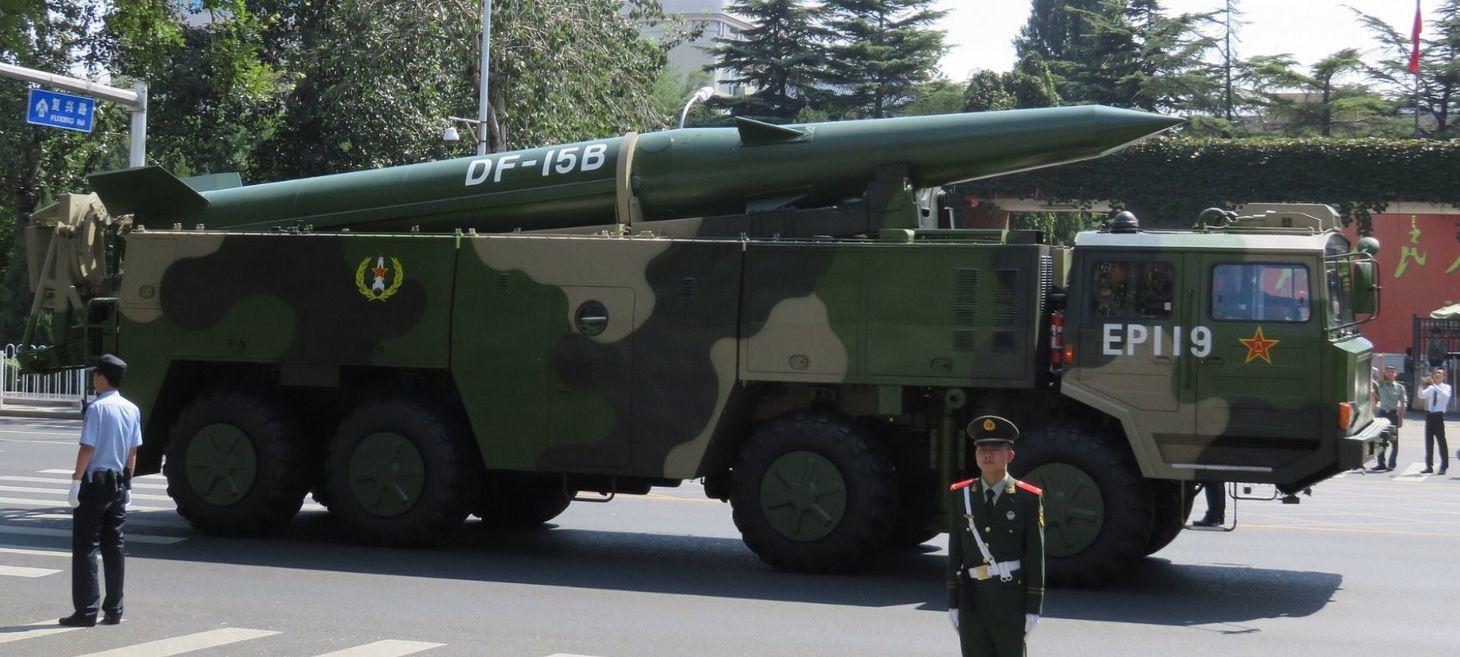
China's nuclear arsenal growing faster than any other country: Report
The report warns that global nuclear program growth will highly likely be pursued by all countries in the post-New START era.
interestingengineering.com

What Beirut’s Port Scanners Miss About Militant Supply Chains
At the Port of Beirut, the new scanners did exactly what they were built to do. They saw the lithium batteries. They saw the drone propellers. They saw the fiber optic cable. They matched the scans against the paperwork, found no obvious deception, and cleared the cargo.
That was the problem.
warontherocks.com
INVESTMENT

Applied Aerospace & Defense Goes Public
Turns out that a whole lot of global instability is blowing the IPO window wide open for defense companies.
Applied Aerospace & Defense—a Huntsville, Alabama-based, PE-backed defense and space subsystem manufacturer—went public on the New York Stock Exchange yesterday, raising $650M in its IPO and valuing the company at $3.25B after pricing shares near the top of the targeted range.
tectonicdefense.com
Meet Gardar, Norway’s New €80M Defense Fund
The Nordics are heating up, y’all.
This morning, Norwegian VC Sandwater announced the launch of a new €80M ($92M) fund called Gardar, which will “[invest] in Ukrainian defence tech startups from Seed to Series B.”
tectonicdefense.com
Defense tech is flooded with money, but who's built to last?
Defense tech is red hot right now. Anduril and Mach Industries just doubled and quadrupled their valuations, respectively, and the U.S. government is proposing a 40% increase in defense budget. A wave of new startups is chasing those government contracts, but according to Ross Fubini, the venture investor who wrote Anduril’s first check, most of them will get lost in the Valley of Death between prototype contract and real production deal.
techcrunch.com
AI
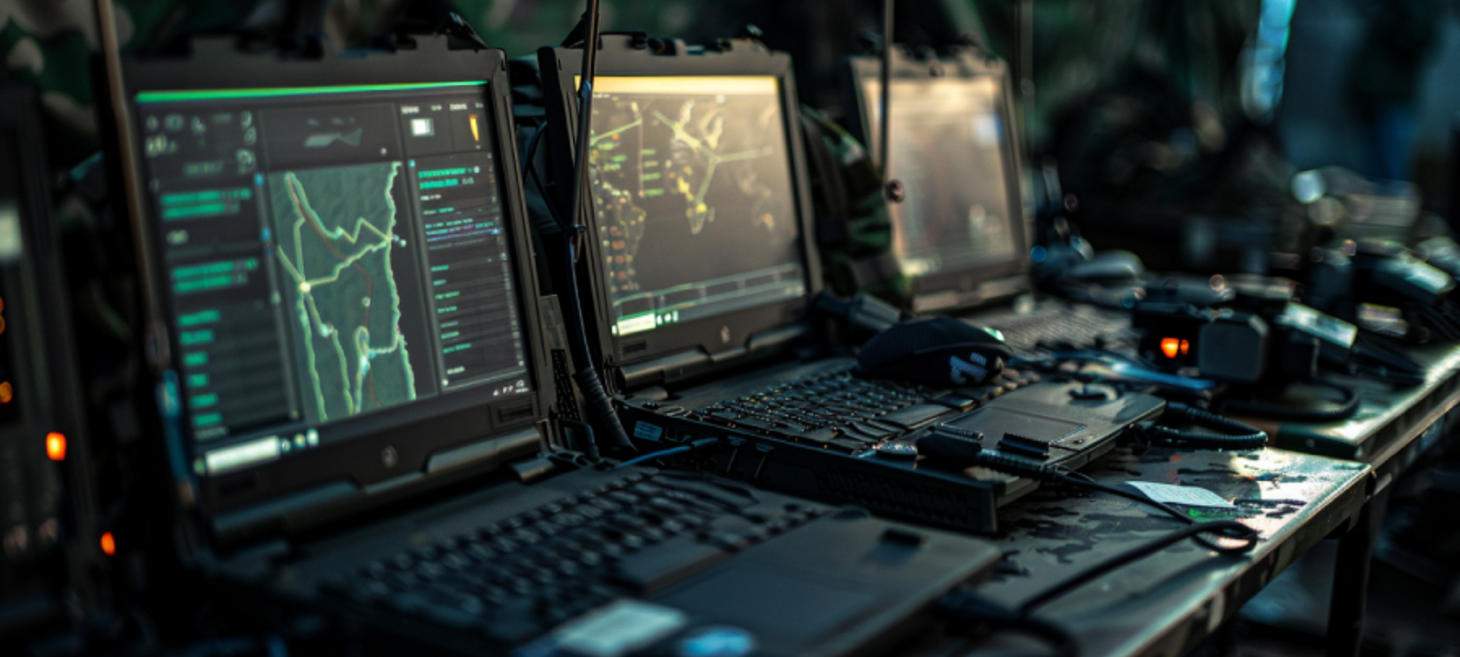
Agentic AI Is Transforming Defense, But Only Secure IT Infrastructure Will Maximize It
Over the past several weeks, the cybersecurity community has been reminded how quickly frontier and agentic AI in defense networks can challenge our assumptions. When Anthropic's Claude Mythos model was made available to a limited set of organizations as a technical preview, it was reported that an unauthorized group claimed that it had gained access within hours. The incident, if true, was more than a possible breach. It was a warning.
thehackernews.com
TECHNOLOGY
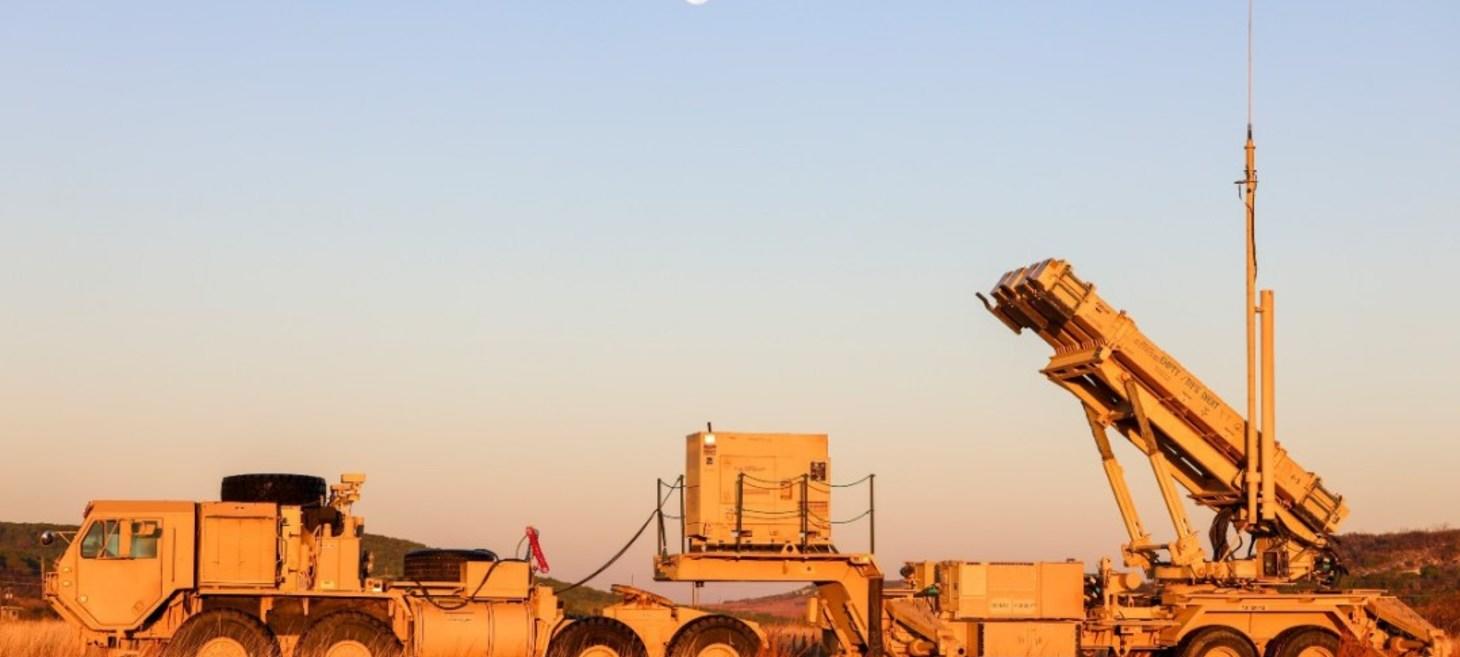
The Indispensable Interceptor: Air Defense and the Problem of Cost-Exchange Logic
dmiral Brad Cooper, commander of US Central Command, recently declared that the United States has “flipped the cost curve” in drone warfare. “The days of using high-value defenses to shoot down cheap targets are behind us.”
Admiral Cooper is correct. Using a PAC-3 to kill a $500 drone is not sustainable, and the push to field lower-cost solutions is long overdue. But solving this drone problem creates the risk of letting cost-exchange logic metastasize into procurement decisions that govern our defense against a wide range of aerial threats.
westpoint.edu
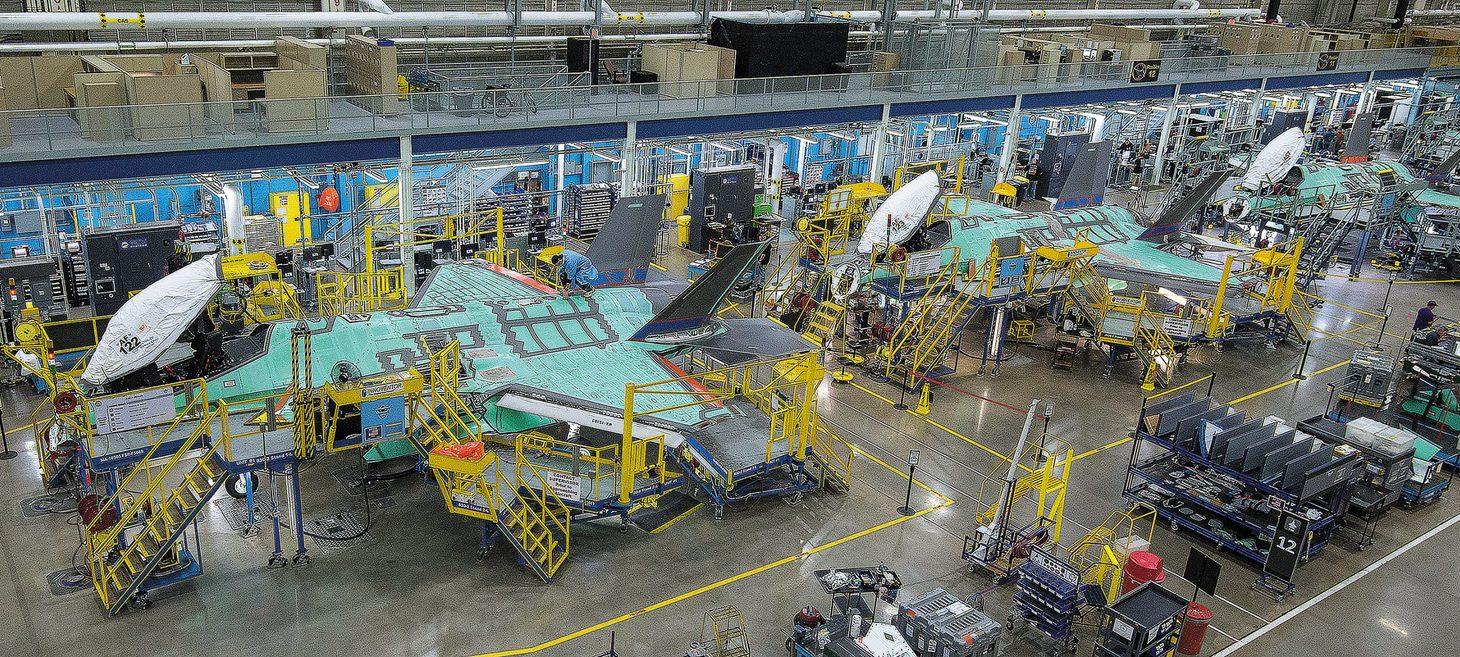
Air Force Vice Chief: Demand for New Airplanes ‘Outstripping’ Production
The Air Force is seeking to buy around 108 new aircraft in fiscal 2027—though really, officials wish they could get more.
The issue isn’t just more money, according to the service’s No. 2 officer; contractors just aren’t able to produce enough aircraft at the present moment, Gen. John Lamontagne said June 4 at AFA’s Mitchell Institute for Aerospace Studies.
airandspaceforces.com
Japanese Firms Show Defense Tech to NATO
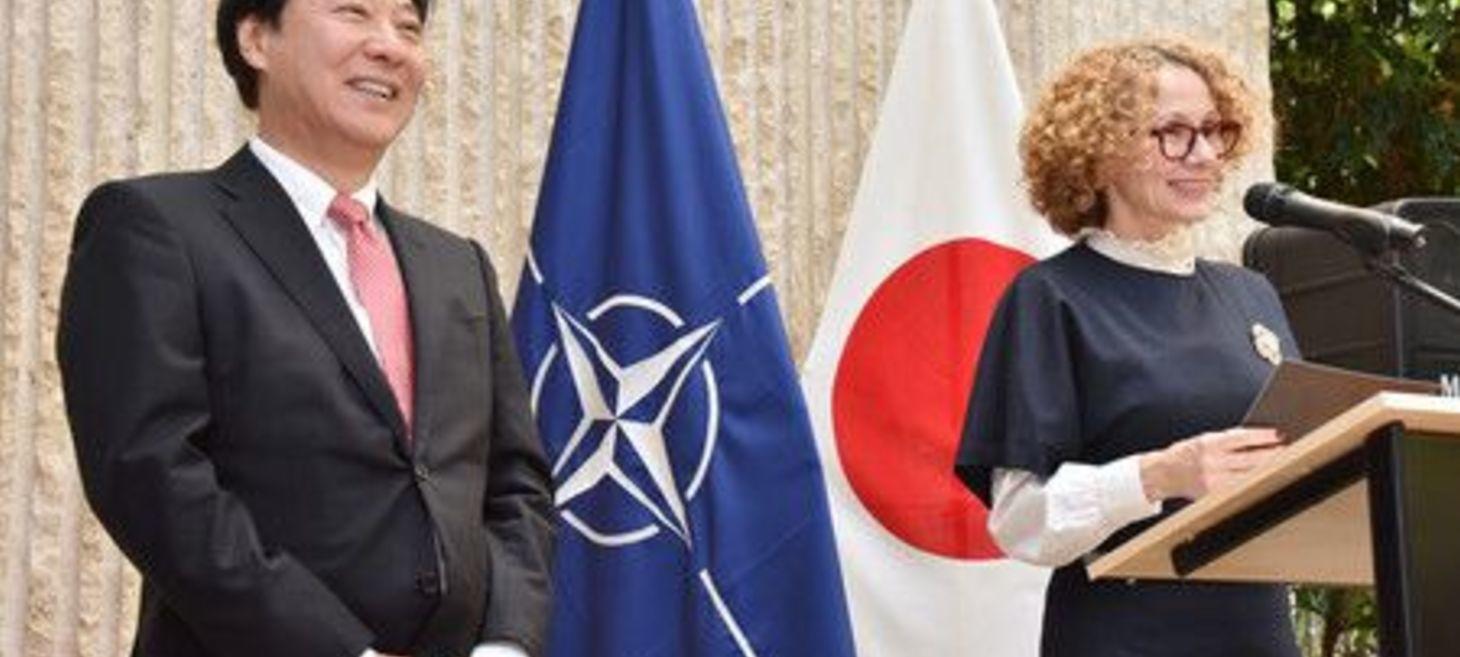
Fourteen Japanese companies presented their defense-linked cutting-edge technologies to NATO members and European companies at a recent reception held by Japan's independent mission to NATO.
At the event hosted by Osamu Izawa, Japanese ambassador to NATO, in Brussels on Thursday, the Japanese firms, including not only major defense industry names Mitsubishi Heavy Industries Ltd., Hitachi Ltd. and Fujitsu Ltd. but satellite data and space startups, promoted their products and technologies ranging from air, ground and maritime defense systems to cyber and space security gears as well as artificial intelligence.
nippon.com
POLICY
US arms sales pause would push Taiwan toward asymmetric-defense tech: Analysts
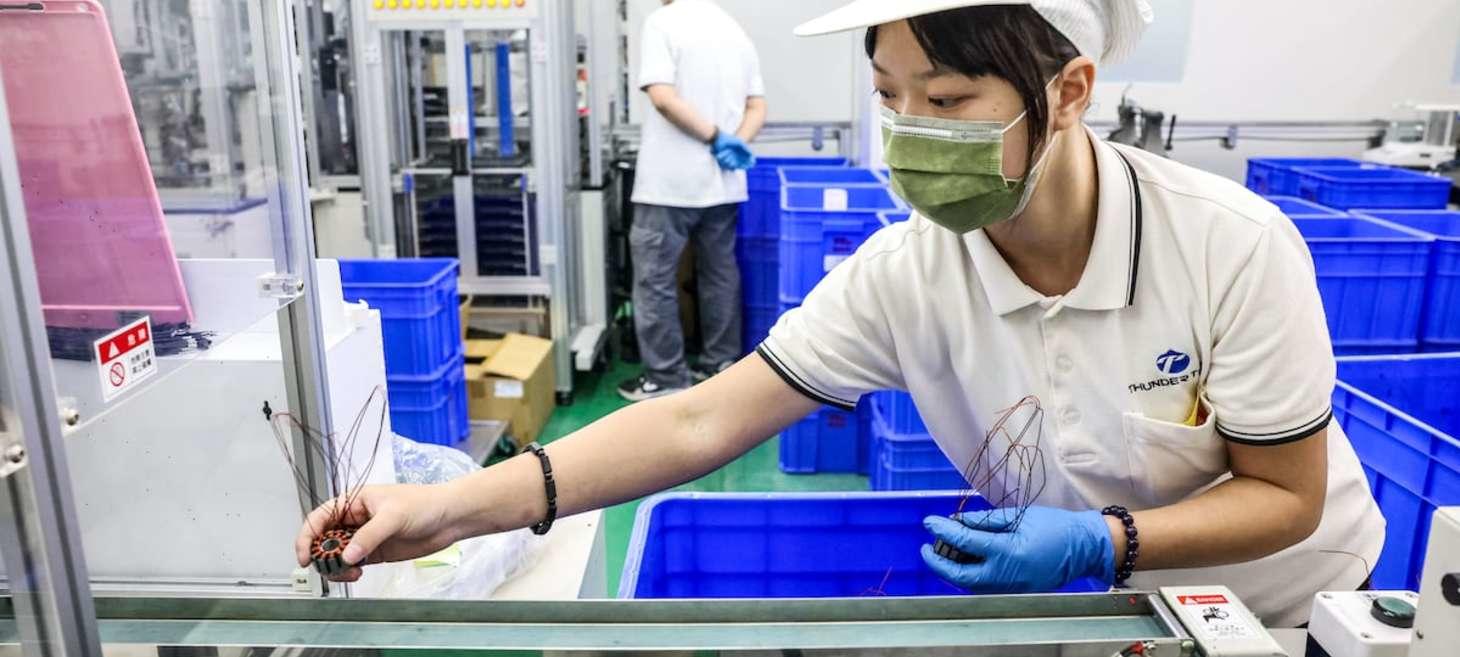
U.S. President Donald Trump’s apparent move to delay a massive weapons sale to Taiwan after a summit with his Chinese counterpart will drive the island’s military further toward self-sufficiency, with sights on asymmetric warfare rather than technological might if ever in a war with China, analysts say.
defensenews.com
SPACE
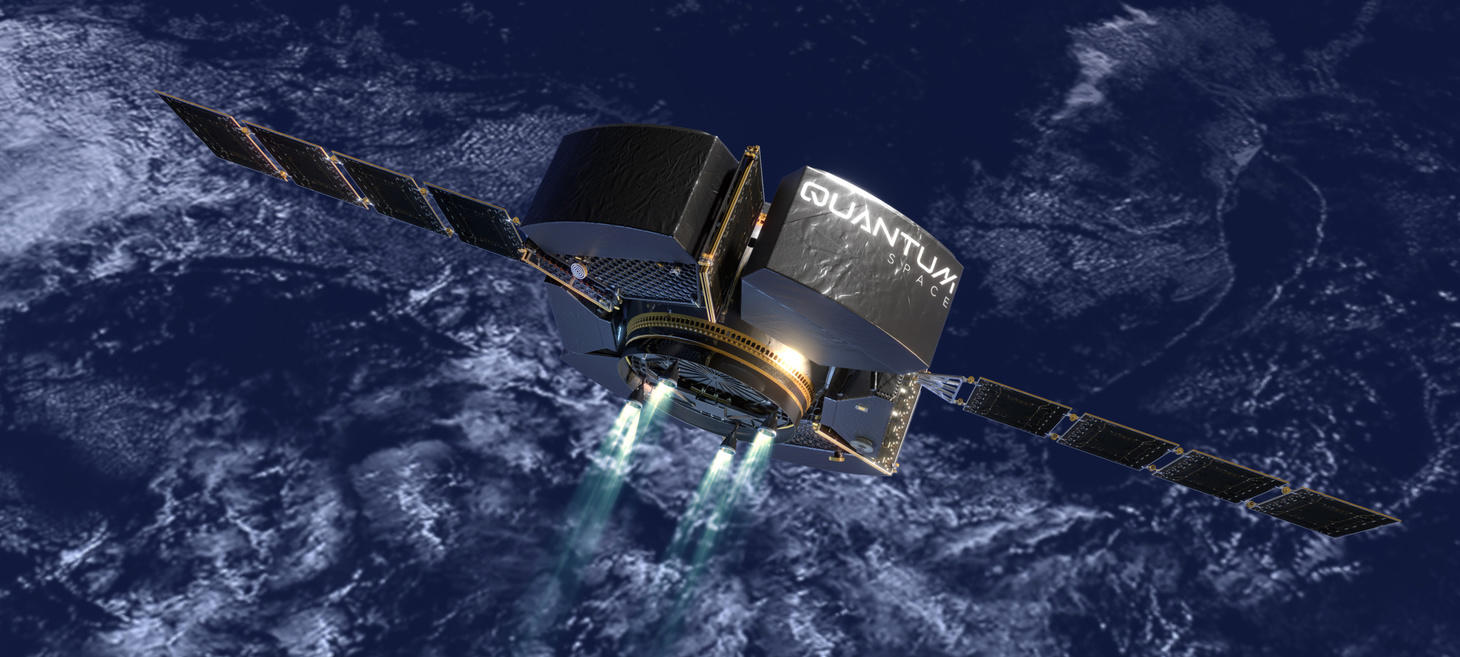
Quantum Space To Go Public Via SPAC
The move to take the in-space mobility company public—and to do so via SPAC instead of IPO—is driven by the company’s desire to move quickly to meet the military’s needs in orbit, Quantum Space CEO Jim Bridenstine said in a press conference. The news comes just one month after Bridenstine was named CEO.
payloadspace.com
EUROPE
Iceye, the Finnish satellite startup, nabs €1B at a €10B valuation amid growing demand for space intel
Iceye, the satellite startup from Finland that has made major inroads into equipping countries with space systems to bolster their national security, has closed just over €1 billion in growth funding. The round is led by General Atlantic with fellow Finnish company and industrial comms giant Nokia as an additional investor, among others. The round, a Series F, values Iceye at €10 billion and makes it one of the biggest tech startups in Europe.
resiliencemedia.co
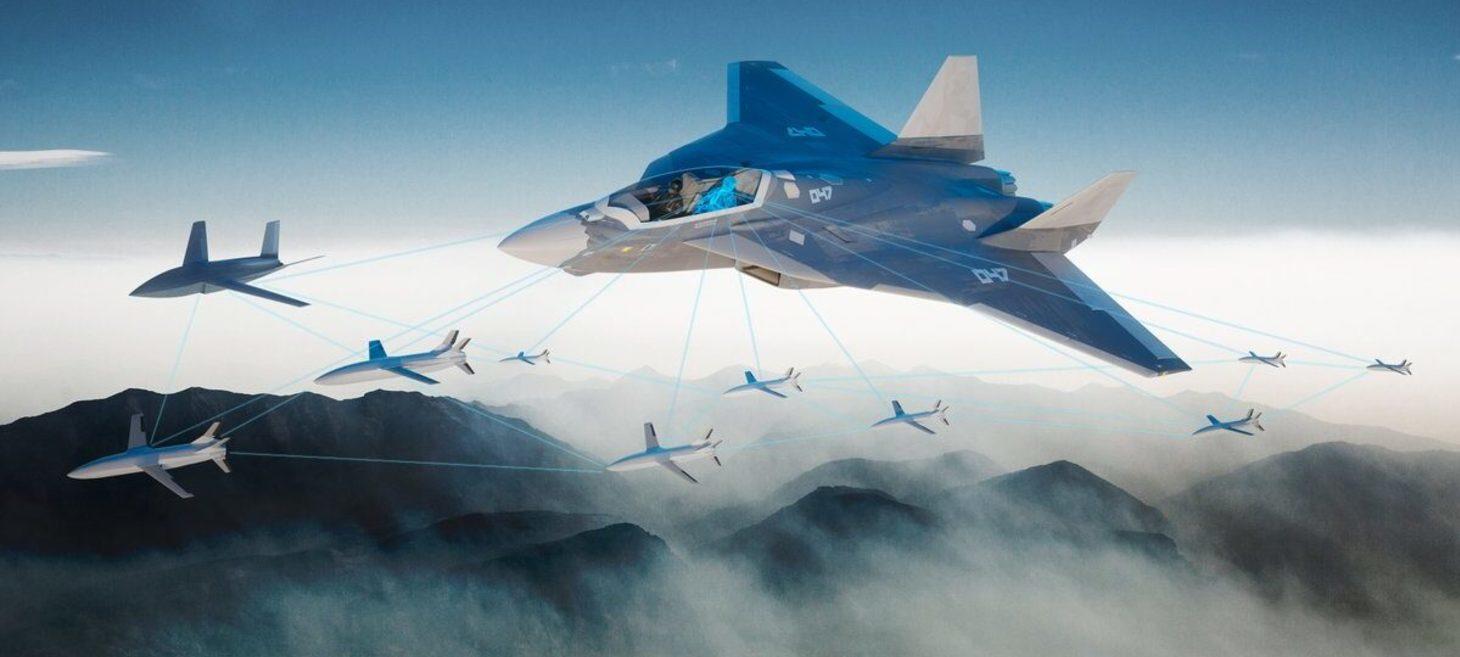
After the fall of FCAS fighter, Germany eyes 'realistic' future projects with France
After years of squabbles over the development of the sixth-gen fighter jet, the centerpiece of the projected $115 billion effort, Berlin said the companies involved “cannot reach an agreement.”
breakingdefense.com
STARTUPS
Drone crashes and severed fingers at a $13 billion Silicon Valley military startup
A year ago, Ryan Tseng, the head of U.S. defense tech startup Shield AI, announced his company had turned a new page.
After a gory incident that partially severed a U.S. Navy official's fingers during a test of its V-BAT drone, Shield AI had addressed safety concerns with new landing gear and warning stickers near the propeller. "(The) aircraft is, tip to tail, just a radically better airplane," Tseng told Forbes last year.
reuters.com