
INNOVATION

US Firm Tests Electromagnetic Launcher That Fires Projectiles at Mach 1+
Hermes uses electrical power rather than chemical propellants to launch inert and guided munitions.
nextgendefense.com
BAE Debuts Helmet Testbed for Sixth-Gen Aircraft Pilots
BAE Systems recently debuted a new pilot helmet technology architecture for sixth-generation aircraft to reduce operator workload, improve situational awareness and support faster decision-making in complex environments.
nationaldefensemagazine.org
INVESTMENT
Will Venture Capital Defense Tech Investments Pay Off?
For decades, most venture capital investors ignored or outright shunned defense technology. In 2020, they invested $1.6 billion in the sector.
Fast-forward to this year, and venture capitalist (VC) investments in defense tech reached $14.6 billion in just the first five months, according to Crunchbase. That is about nine times the 2020 level—with seven months to go. The effect has been both immediate and dramatic, funding sweeping technological shifts in the military sector—and altering the competitive landscape and pecking order within the defense supply chain.
aviationweek.com

San Diego’s Defense Tech Boom Is Here. Can It Become the Best City to Build the Next SpaceX?
The discussion brought together subject-matter experts to share perspectives on the biggest opportunities and challenges facing the industry.
The defense tech sector — fueled by a domestic manufacturing push, the rise of private spaceflight and heavy investment in autonomous systems — has attracted growing interest from both private and public markets over the last twelve months.
substack.com
TECHNOLOGY
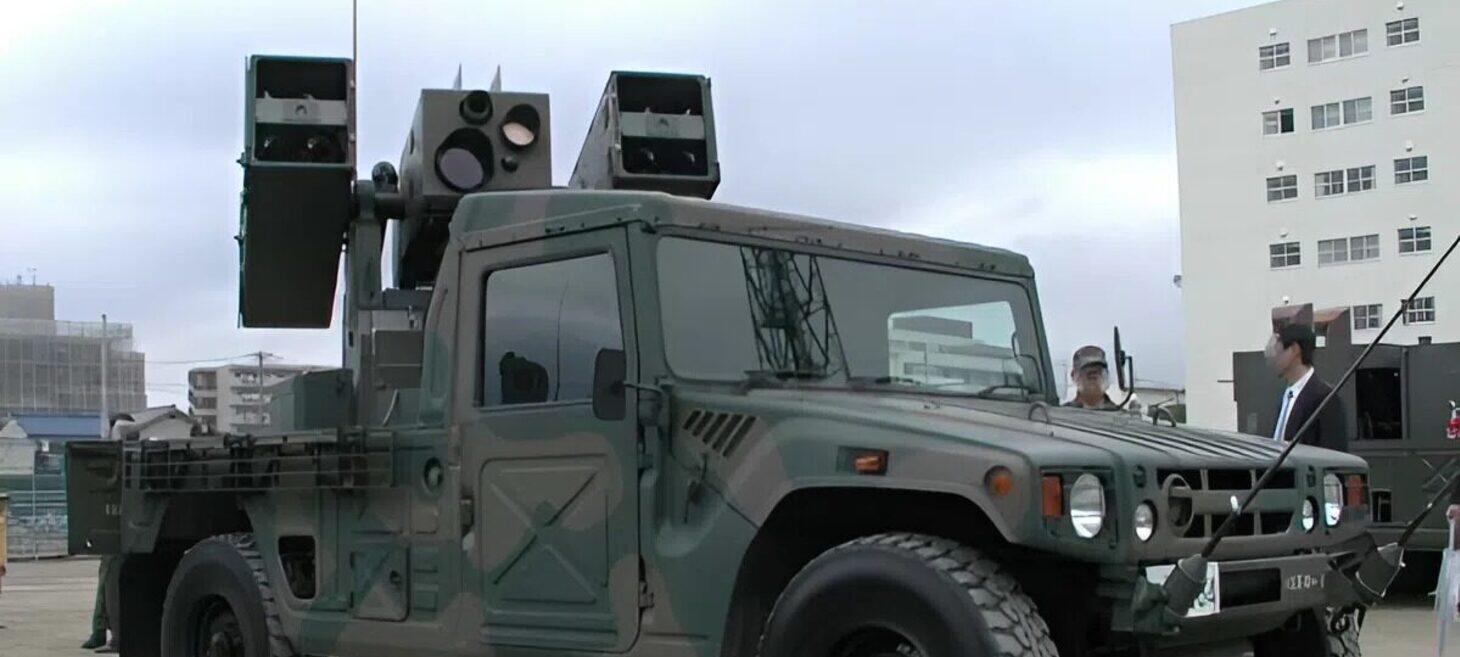
Japan Develops Air Defense System With Three Types of Weapons
CRADS combines missiles, autocannons, and laser weapons in a single integrated system.
nextgendefense.com
SPACE
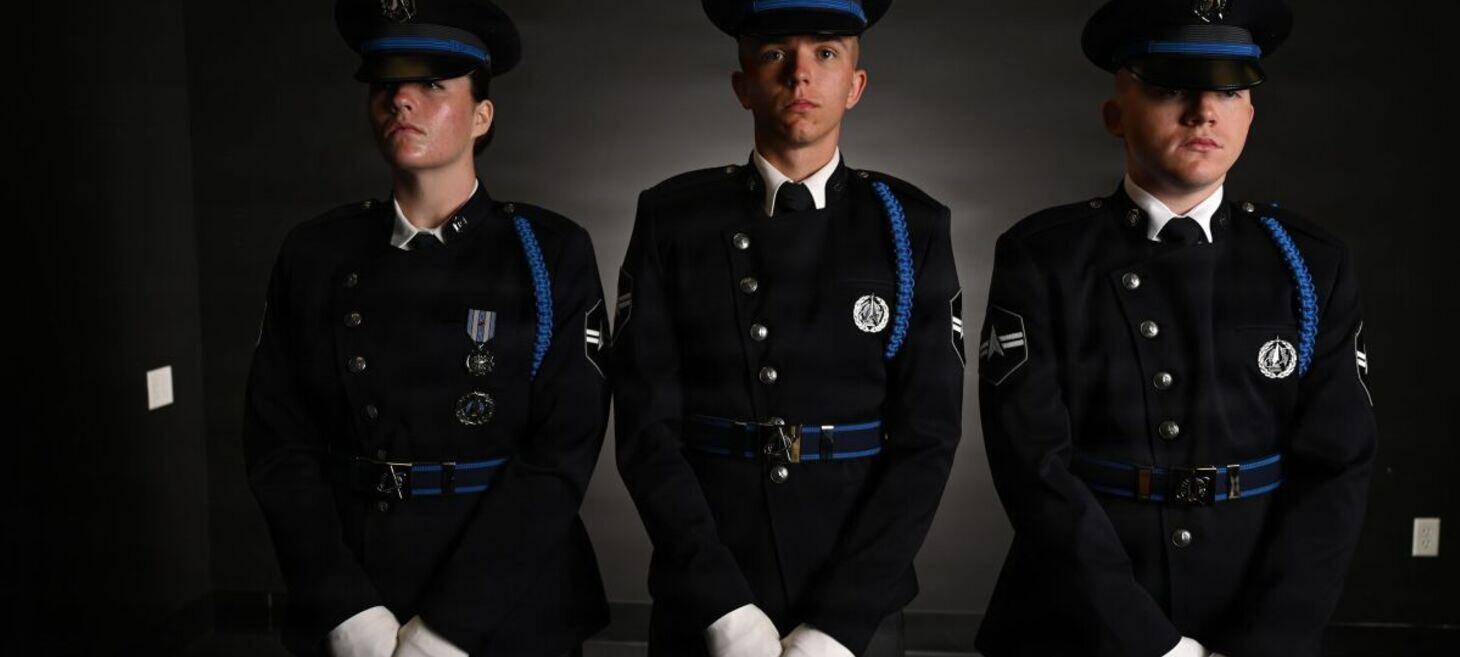
Space Force unveils new ceremonial uniform
The service’s Honor Guard will wear the new ceremonial dress uniform for the first time at the IndyCar race in Washington, D.C. on Aug. 23.
taskandpurpose.com
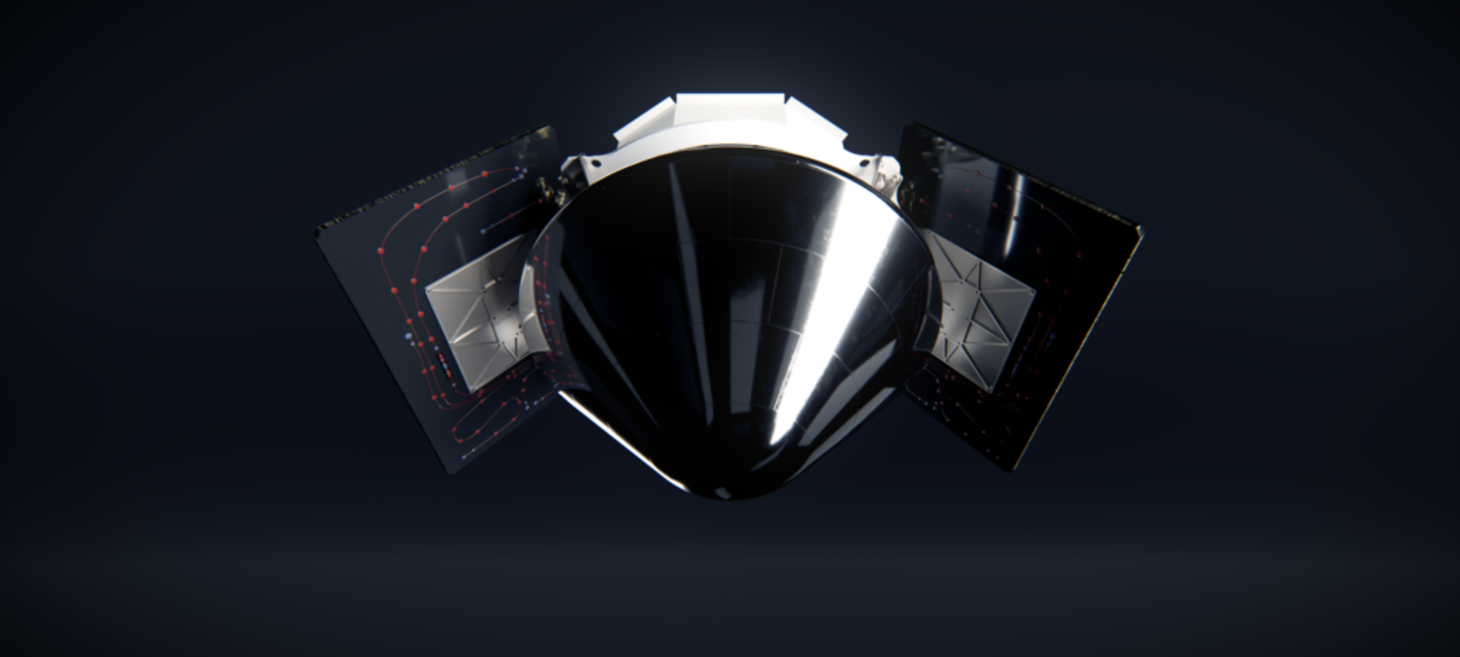
White House Wants 1,000 Annual Launches and Reentries by 2030
The last time the US released a space transportation policy in November 2013, SpaceX Falcon 9 had flown just six times. Now, Falcon 9 has ~700 flights behind it—and the White House is aiming for more than 1,000 launches and reentries annually by 2030.
The new National Space Transportation Policy (NSTP), signed Aug. 20, which replaces the 2013 edition, asks what it would take to get to 1,000 annual launches. The answer? More pads, more airspace, more spectrum, and somewhere for all of it to come back down.
payloadspace.com
EUROPE
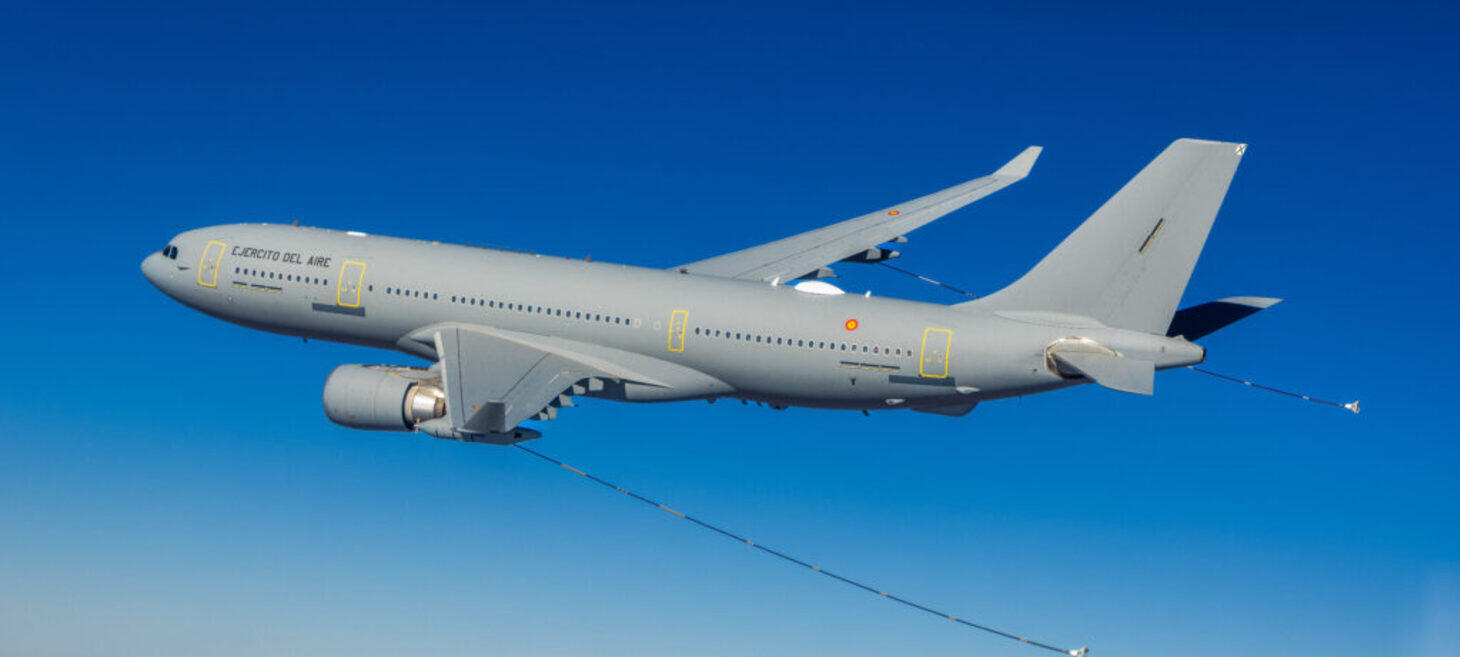
Spain signs off on $6.3 billion budget for joint MRTT buy with Poland
Poland’s minister of national defense said today that “at least” seven aircraft will be purchased, with his country receiving four by 2030.
breakingdefense.com
DRONES

The Future of Ukraine’s Drone Democracy
On August 19, the Ukrainian parliament voted overwhelmingly to confirm Ukraine’s new defense minister, ending weeks of uncertainty at a crucial phase of the war. For more than a month, Ukrainians had taken to the streets of Kyiv and other cities to protest President Volodymyr Zelensky’s firing of Defense Minister Mykhailo Fedorov.
His successor, Yevhenii Khmara, is a special operations officer, best known for leading Operation Spider’s Web, the successful attack on Russian strategic bombers deep inside Russia.
foreignaffairs.com
MARITIME
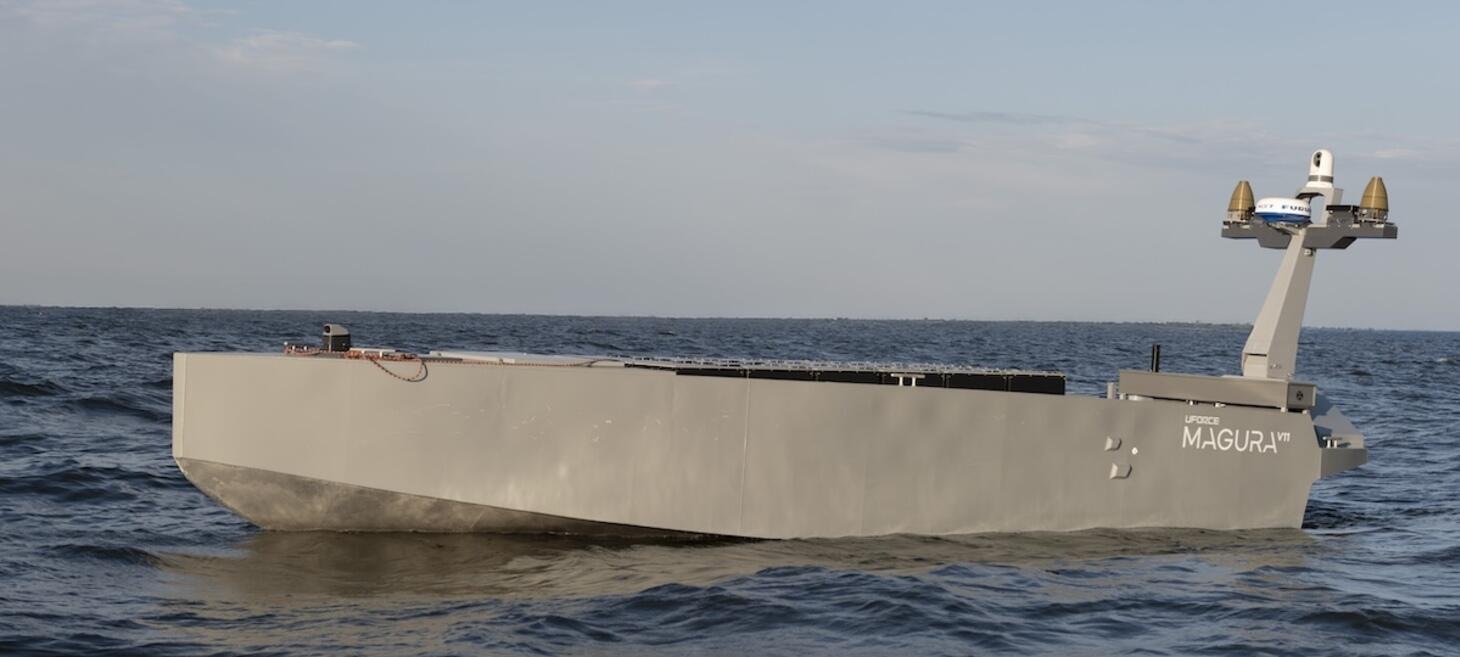
Ukraine’s Uforce unveils a heavy-duty unmanned surface vessel for naval logistics
Ukraine’s Uforce has unveiled the MV11, a large ocean-going unmanned surface vessel in its MAGURA family, during Ukraine’s Independence Day unmanned systems parade on the Dnipro River.
resiliencemedia.co
NAVY
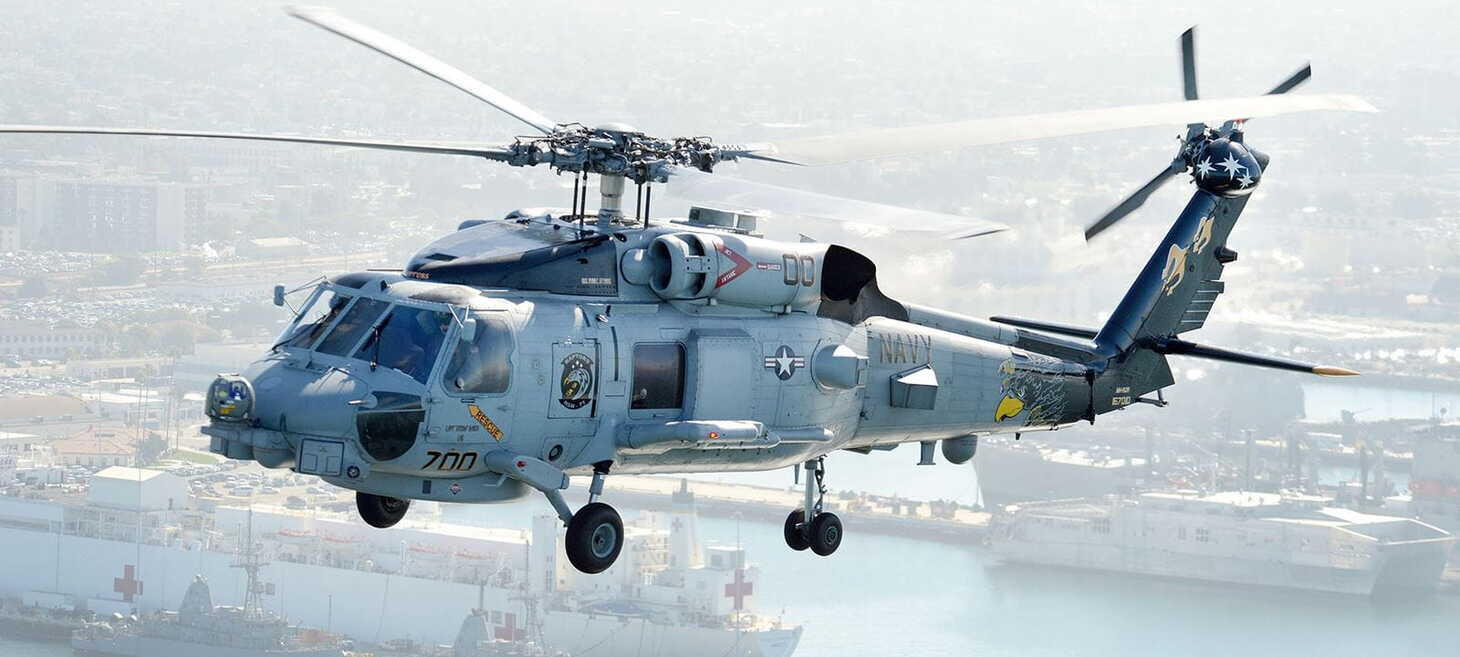
US Navy Taps Industry for MH-60 Seahawk Modernization
Sierra Nevada Corporation, Lockheed Martin Rotary and Mission Systems, Rockwell Collins, and Technology Security Associates have been identified for roles spanning structural integration, flight-critical avionics, digital-backbone development, and open-system verification.
thedefensepost.com
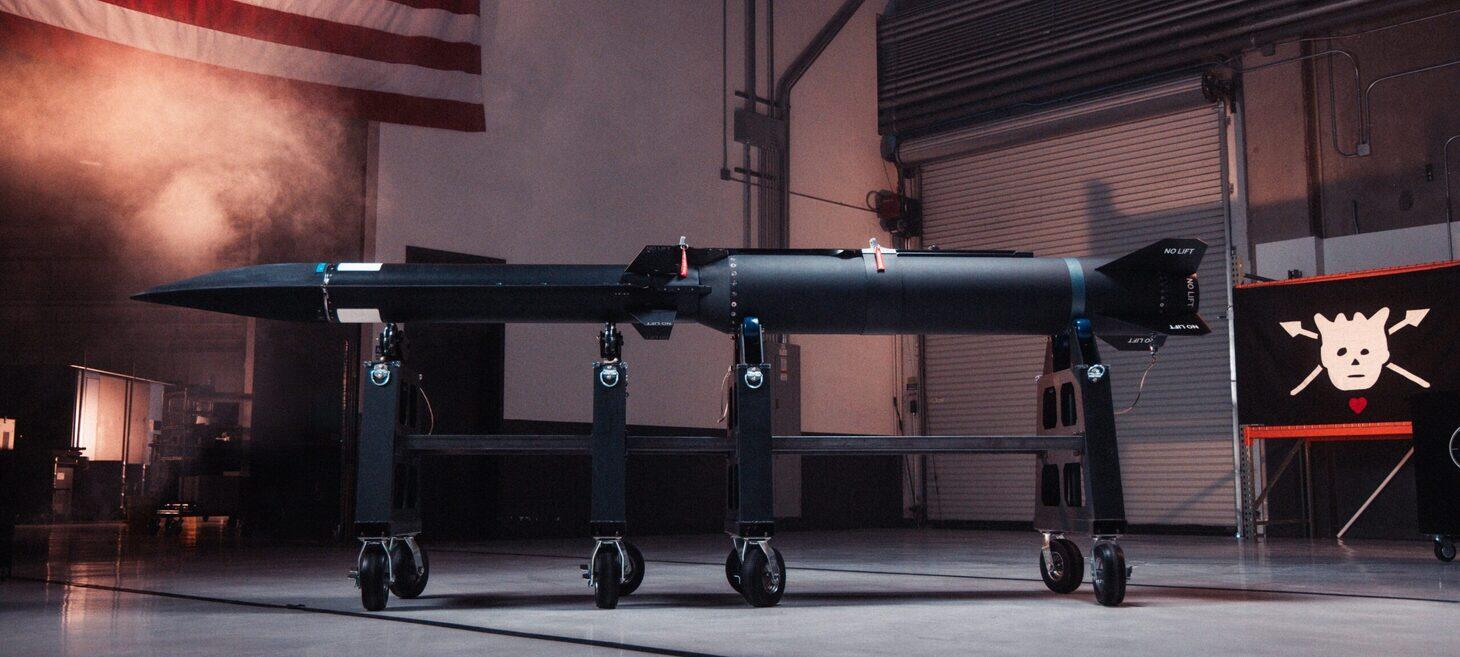
Castelion Scores Additional $89.99M from the US Navy
the US Navy announced that it’s awarded the Torrance, CA-based company an additional $89.99M against its service-wide basic ordering agreement to “provide engineering, technical, logistics, and manufacturing services to advance the Blackbeard Hypersonic Weapon system to an Early Operational Capability (EOC).”
tectonicdefense.com
AIR FORCE
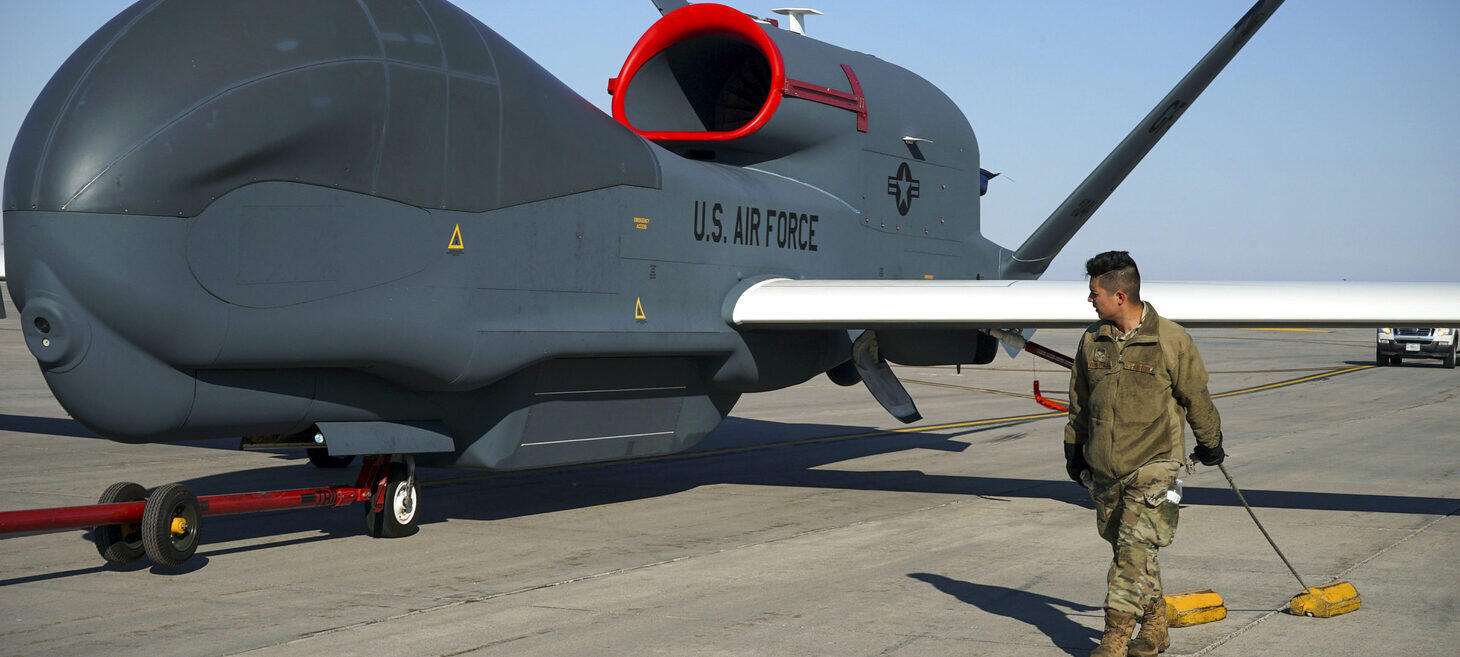
Air Force Plans Contract That Could Keep RQ-4s Flying Into 2030s
The Air Force Life Cycle Management Center posted a presolicitation notice Aug. 17 saying it plans to award Northrop a sole-source contract for development, modernization, retrofit, and sustainment of the surveillance drone.
airandspaceforces.com
MARINES
Marines’ AI Training Mandate Requires Adaptability, Expert Says
The Marine Corps has mandated that all active-duty and reserve Marines complete a basic course on artificial intelligence by the end of this year. But as the service and the Defense Department as a whole race to adopt AI, the training needs to evolve with the technology, one expert said.
nationaldefensemagazine.org
STRATEGY

Contested Logistics and the "Last Unmanned Mile"
In a Pacific war, the U.S. military cannot assume uncontested access to its depots and supply lines for munitions, spare parts, food, water, and energy. Jonathan is joined by David Tuttle (Rune Technologies), Paul Lwin (HavocAI), and Tom Garvey (CACI) to discuss sustaining a dispersed force that’s facing enemy fire and lacks stable, secure communications. They debate autonomy versus automation, predictive resupply, where the data comes from, and which lessons from Ukraine transfer across theaters.
warontherocks.com