
INNOVATION

Integration Advantage: What America's First Warships Still Teach Us About Defense Tech
For generations, warfare had clear boundaries—land, sea and air. Today, those boundaries have disappeared. We're being challenged across every domain simultaneously, from the deepest ocean trenches to the far reaches of space, from the battlefield to the boardroom. We must confront not only the sophistication of these threats but a pace of change unlike anything in our history. The speed at which technology evolves now rivals the threat itself.
forbes.com
How to Strengthen U.S. Deterrence Ecosystem
The United States faces a strategic imperative that transcends mere technological superiority — it must out-innovate models of state-directed vertical integration.
Its competitors — to include China, Russia and Iran — operate with a seamless, sometimes coercive, alignment between government, industry and academia — allowing them to move with speed and scale around critical technologies.
nationaldefensemagazine.org

Privacy-focused communication app aims for military customers and beyond
When adversaries can forge faces and voices in real time, traditional secure messaging is no longer enough.
defenseone.com
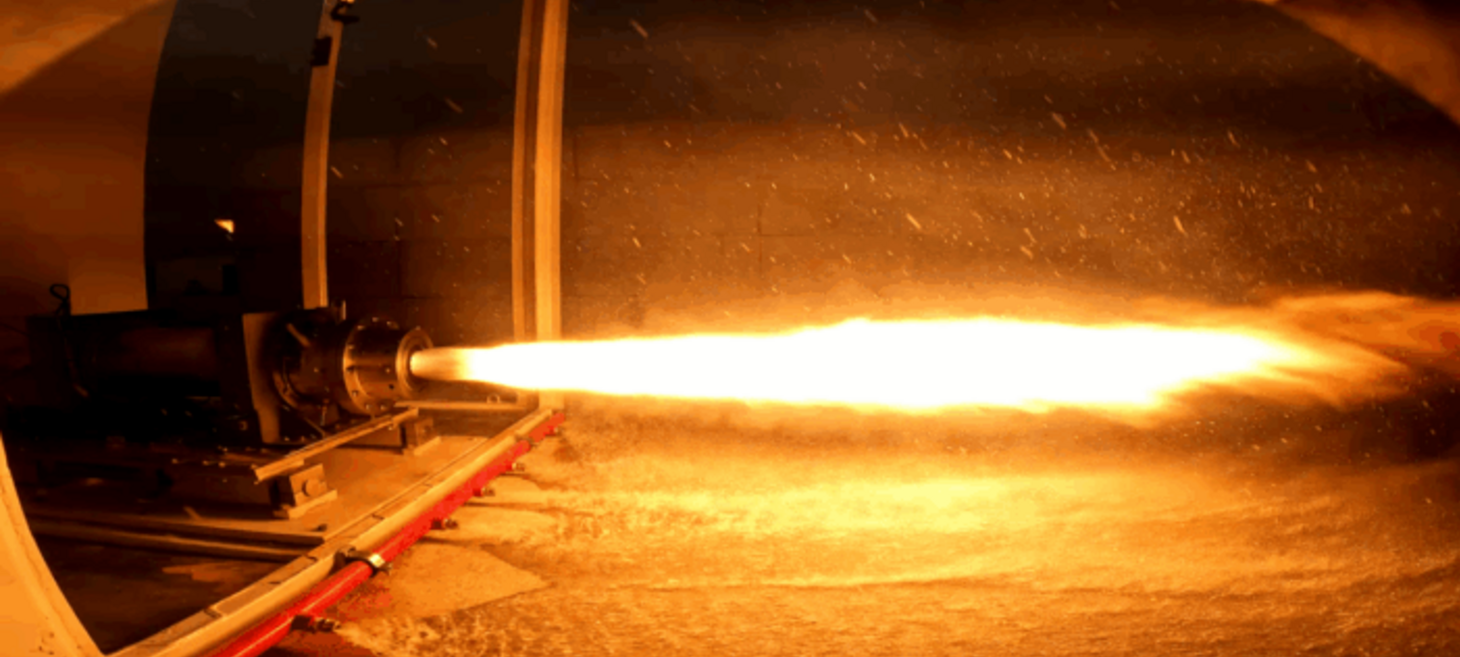
Firehawk Inks $24M Deal with the Pentagon’s IBAS Program for Artillery Propellant
The 155mm shell has been a workhorse of the US military’s artillery arsenal since World War I, but America has had a bit of a hard time, to put it lightly, ramping up production of the over-century-old munition to keep up with renewed demand from US and allied customers.
tectonicdefense.com
AI
Dataminr Brings Agentic AI to Real-Time Intelligence for Defense Agencies
Dataminr’s First Alert Advanced uses AI agents to verify events, gather context, and update intelligence automatically.
nextgendefense.com
TECHNOLOGY

Teledyne FLIR to Build Tech That Gives Troops Better Eyes in Infrared Light
As part of the US Army’s Delivering Unmatched Thermal Capability Hastened (DUTCH) initiative, the Oregon-based firm will be under contract to work on advancing uncooled thermal imaging sensors that are smaller in size and cheaper to make without sacrificing performance.
thedefensepost.com
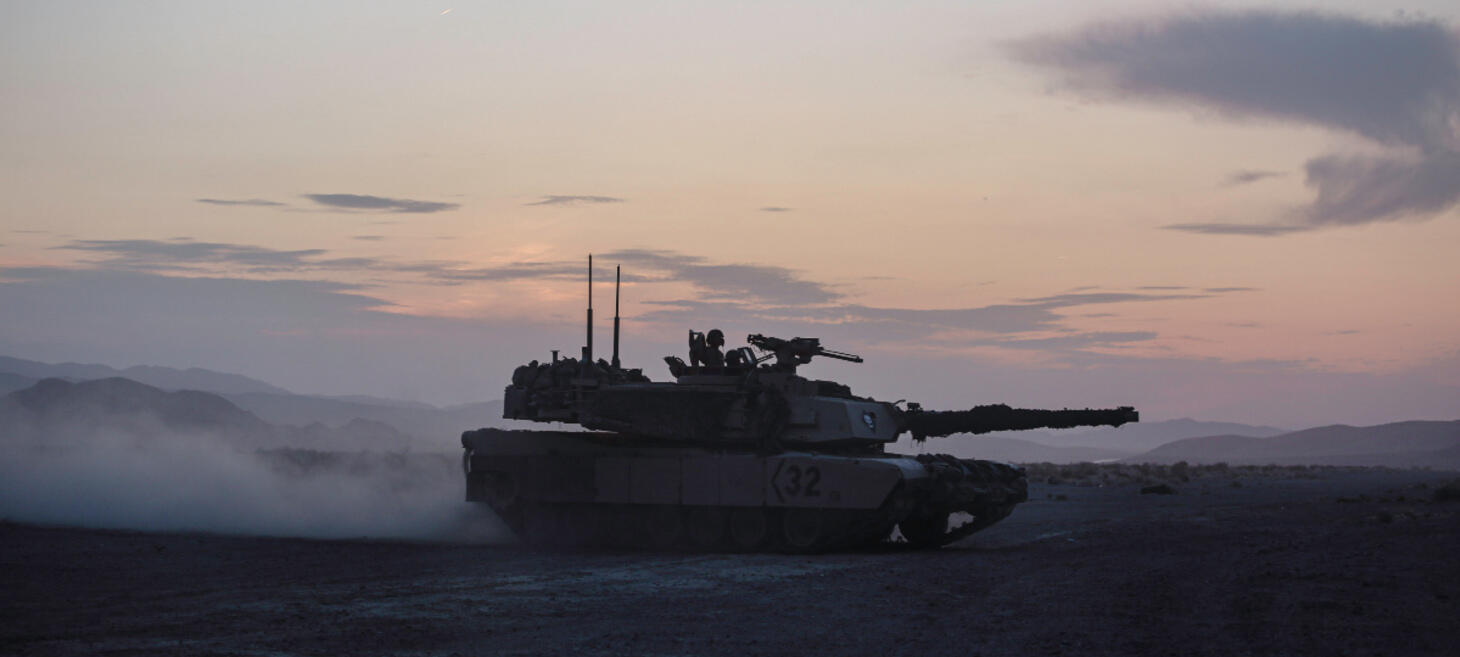
Maneuver Isn’t Dead, Armor Isn’t Obsolete: Modern Battlefield Conditions Encourage Positional Warfare, But Don’t Dictate It
For the past several years, scholars and practitioners have vigorously debated the utility of armored formations on an increasingly lethal modern battlefield characterized by a proliferation of sensors, precision long-range fires, and integrated command and control networks. Recent campaigns—including the 2006 Hezbollah-Israeli War, the 2017 Battle for Mosul, the 2020 Second Nagorno-Karabakh War, and the 2023 Ukrainian counteroffensive against the Surovikin Line—appear to support claims that maneuver warfare is no longer viable. Commentary and debate, ranging from superficial, media-driven reactions to deeply researched analysis, between casual observers, scholars, and practitioners, continue unabated.
westpoint.edu
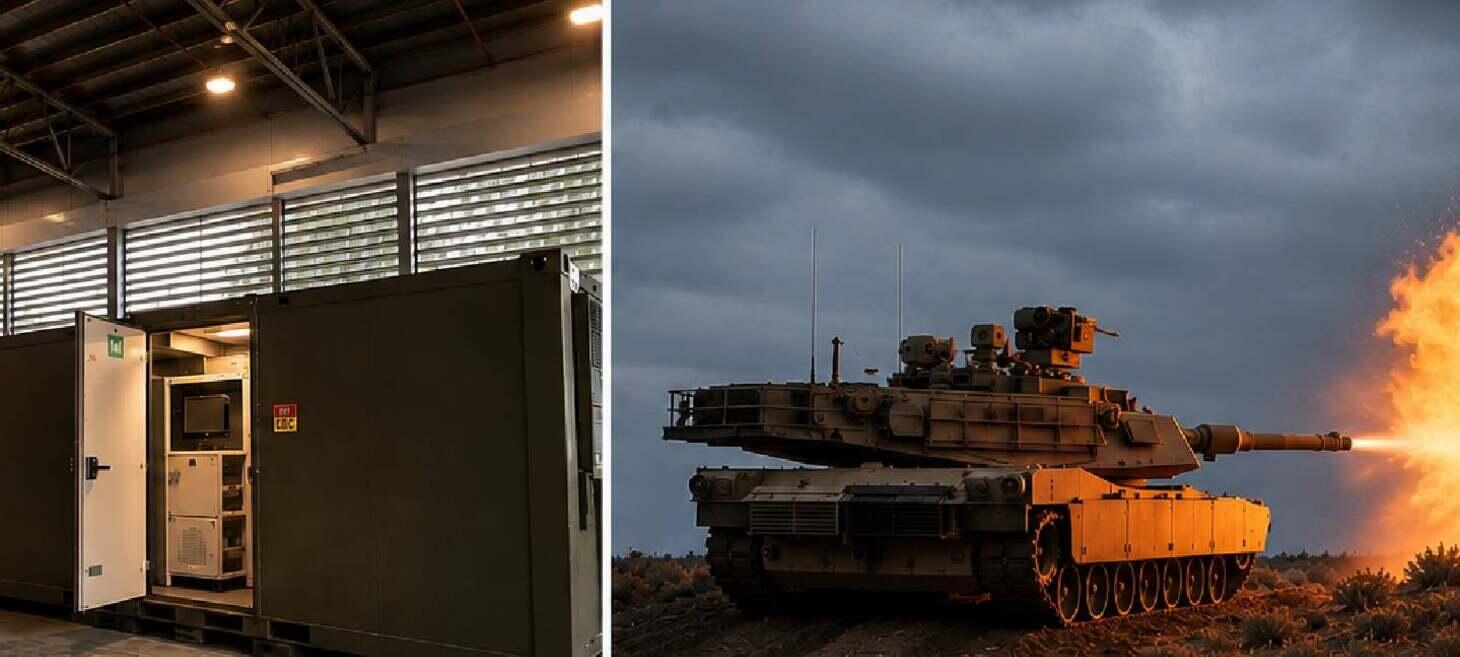
Thomas Global completes M1A2 Abrams simulator delivery to Australia
The M1A2 Abrams Immersive Tactical Trainers are used to train personnel for the Australian Army’s M1A2 Abrams SEPv3 main battle tank fleet.
army-technology.com
SPACE
Space Force Adopts Digital Engineering Tool for NC3 Satellites
Space Systems Command has been working with General Dynamics Information Technology since 2023 to develop the platform, called Project Enigma, for its Evolved Strategic Satellite Communications program—a fleet of nuclear command and control spacecraft that will replace the legacy Advanced Extremely High Frequency satellite constellation. Because many aspects of the program are classified, SSC needed a secure environment where its prime contractor Boeing and other industry partners could share and validate designs.
airandspaceforces.com
EUROPE

Estonia’s Wolfram Europa invests €200 million into Latvian munitions site
Tallinn, Estonia energetic materials supplier Wolfram Europa said it will invest €200 million to build a vertically integrated energetics complex near Jēkabpils, Latvia. It has secured a 40-hectare site under a long-term land agreement with Latvijas Valsts Meži, the Latvian state forestry company.
resiliencemedia.co

German Air Force selects Lufthansa for Initial Pilot Training
The training covers theory subjects such as meteorology and aviation law, plus mission planning and practical flying skills.
airforce-technology.com
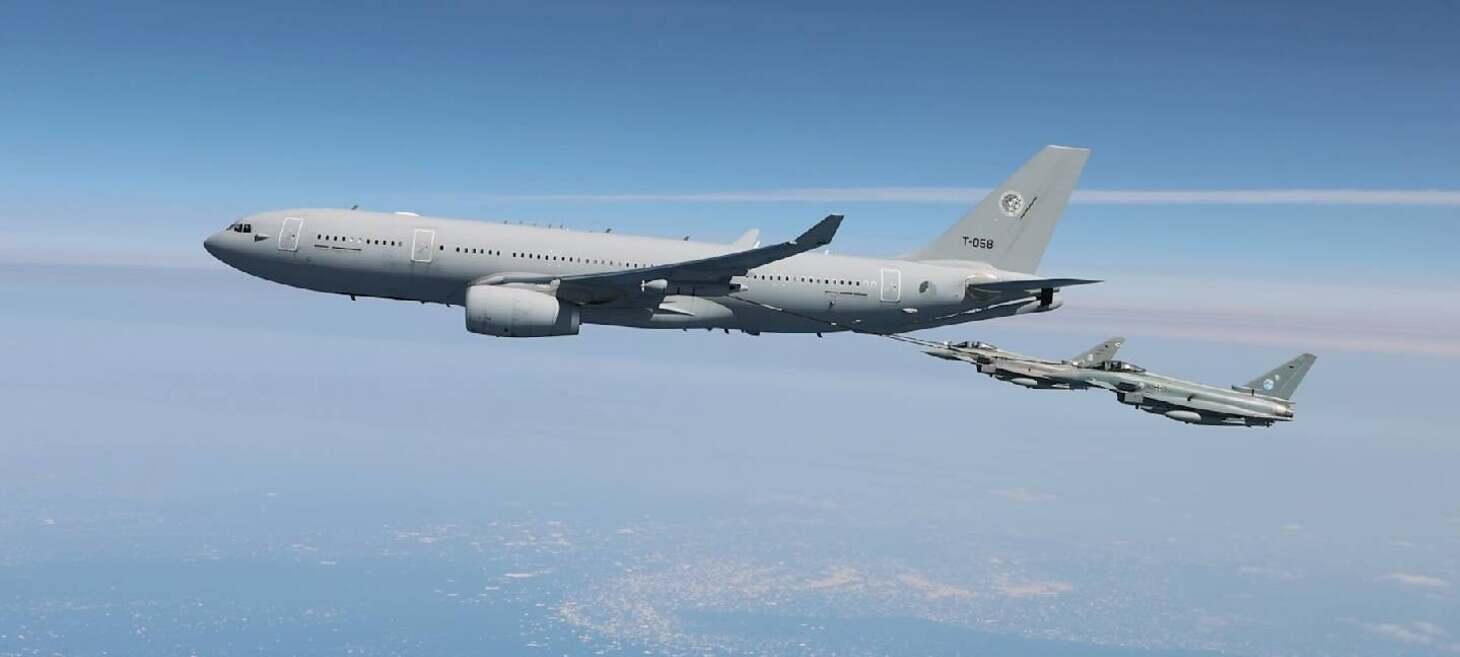
Spain clears $6.3bn joint Airbus tanker deal with Poland
The deal, financed through the EU SAFE loan, will enable Poland to acquire its first Airbus A330 MRTT aircraft.
airforce-technology.com

Italy eyes US tech for souping up dumb missiles into drone interceptors
The Italian Air Force is mulling the purchase of U.S. technology that turns cheap unguided missiles into precision weapons, offering a low-cost option for taking out drones instead of using pricy air-to-air missiles.
The potential deal was made possible by the U.S. Department of State’s approval of a Foreign Military Sale to Italy of 5,031 BAE Systems Advanced Precision Kill Weapon System (APKWS) II guidance systems.
defensenews.com
DRONES
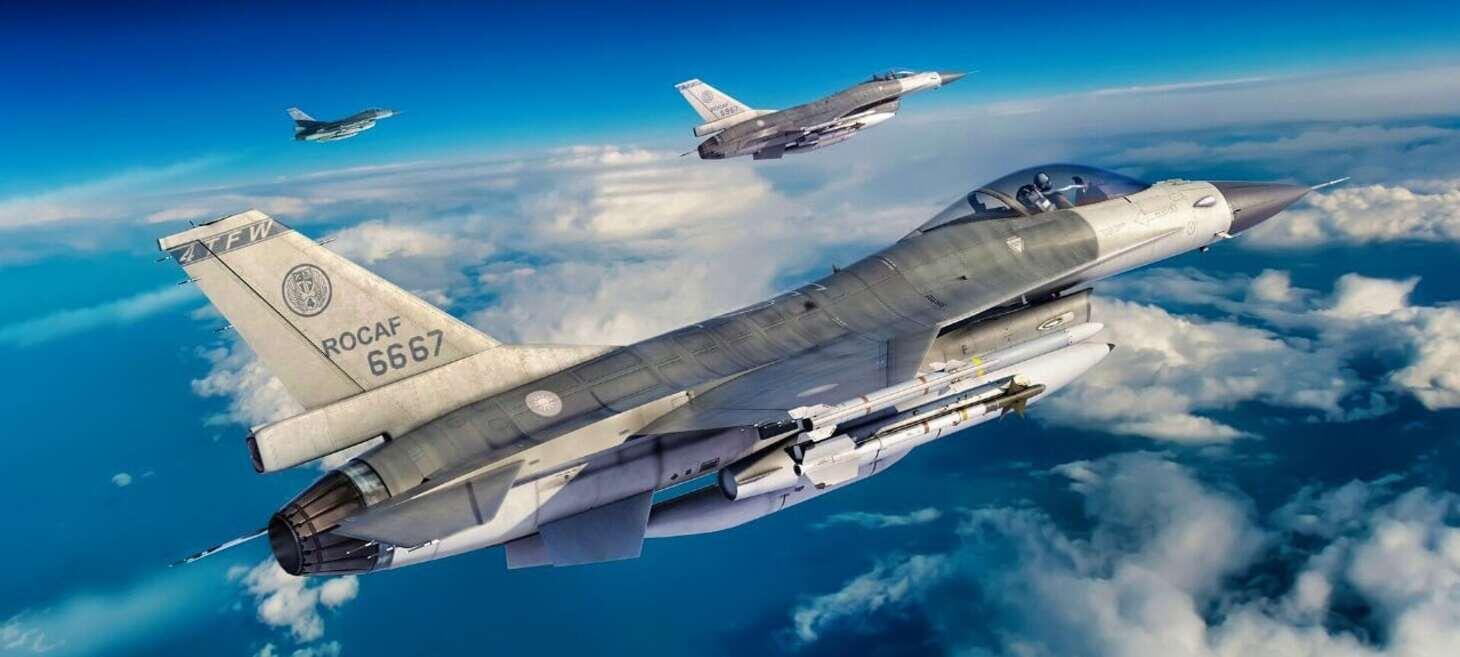
Taiwan Can Buy 200,000 Drones To Stop a Taiwan Invasion. But Replacing Them in a Fight Is the Challenge No One Wants to Face
If Taiwanese drones are still finding targets over a beachhead in week three, Chinese units moving supplies inland, widening a lodgment, or reopening a captured port stay exposed the whole time.
19fortyfive.com
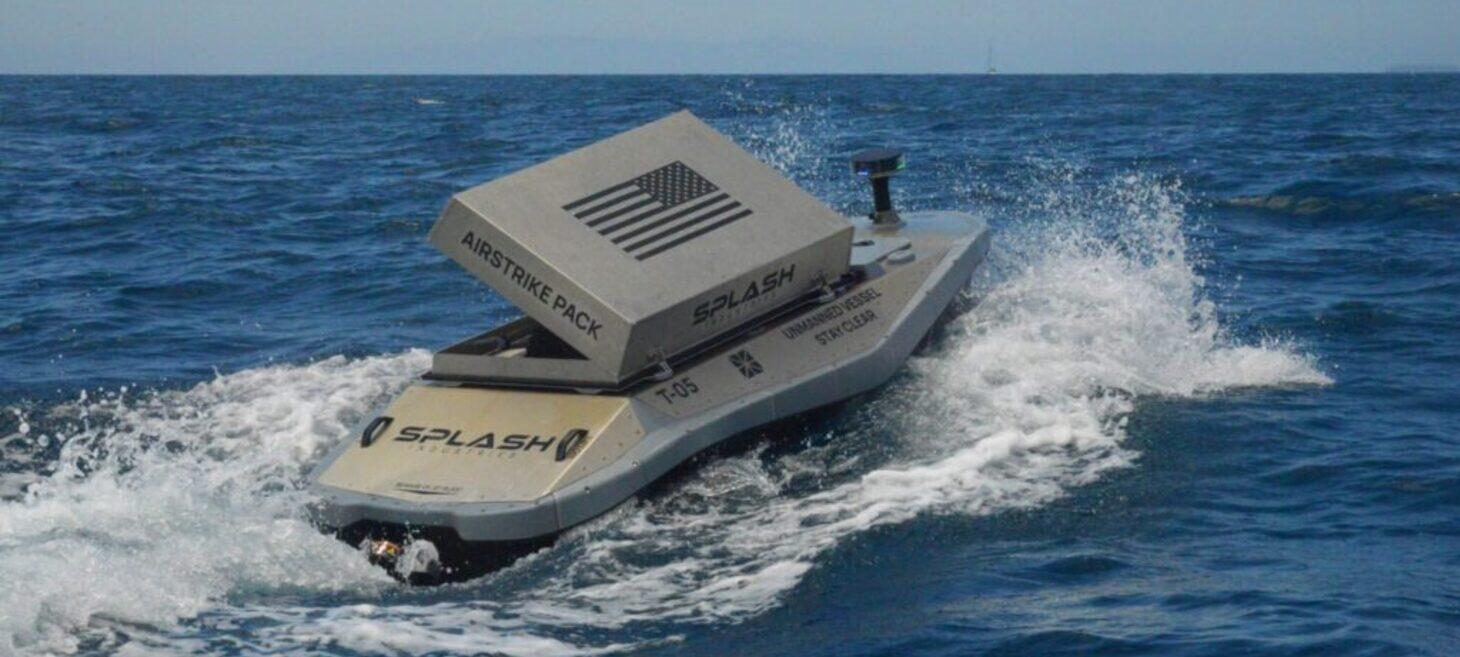
Typhoon USV Gains Ability to Launch One-Way Drones With a Single Button
Typhoon uses the Splash command-and-control system to deploy drones with the press of a button.
nextgendefense.com
ARMY
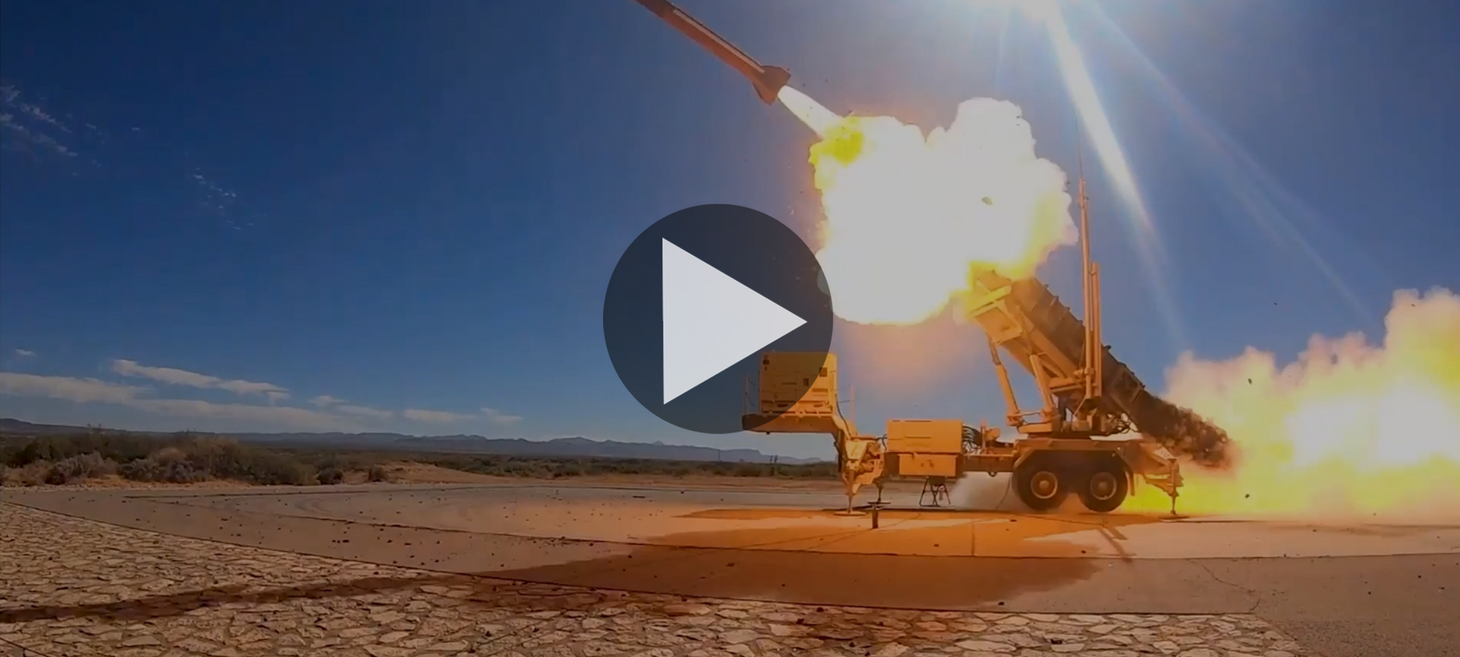
How the Army benefits from diverse interceptors, plus a window into modernization
The chief of the Army's Space and Missile Defense Command shares more from our recent interview in Huntsville, Ala.
breakingdefense.com
NAVY

US Navy Moves to Modernize USS Boxer With $150M BAE Systems Contract
The US Navy has awarded BAE Systems a $149.8-million firm-fixed-price contract for the maintenance, modernization, and repair of the USS Boxer (LHD 4), a Wasp-class amphibious assault ship.
BAE Systems will perform the work at Naval Base San Diego, California, with completion expected by October 2028. Contract options could increase the total value to $180 million.
thedefensepost.com
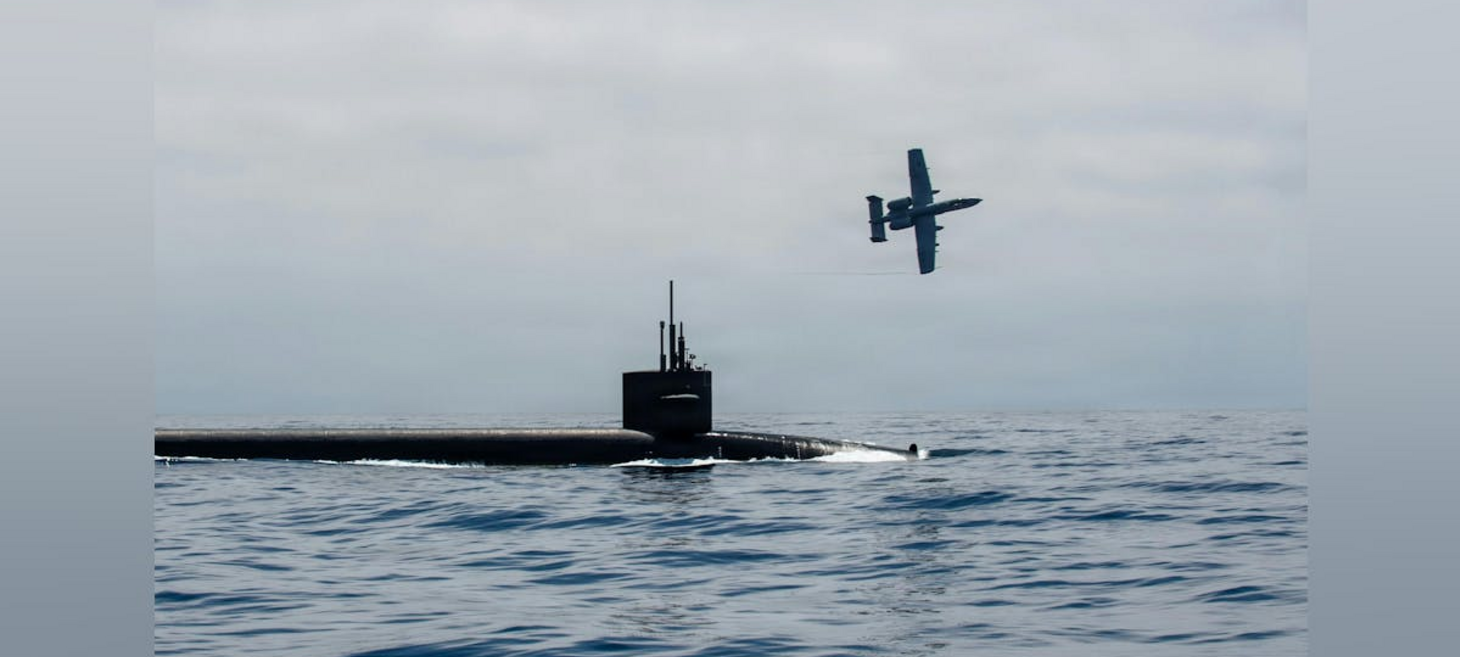
Lockheed Martin wins $14.6 million Navy submarine EW engineering contract
The AN/BLQ-10 is an electronic-support-measures system that provides submarines with the ability to detect, classify, locate and identify radio-frequency signals from radar and communications systems.
militaryaerospace.com
STRATEGY
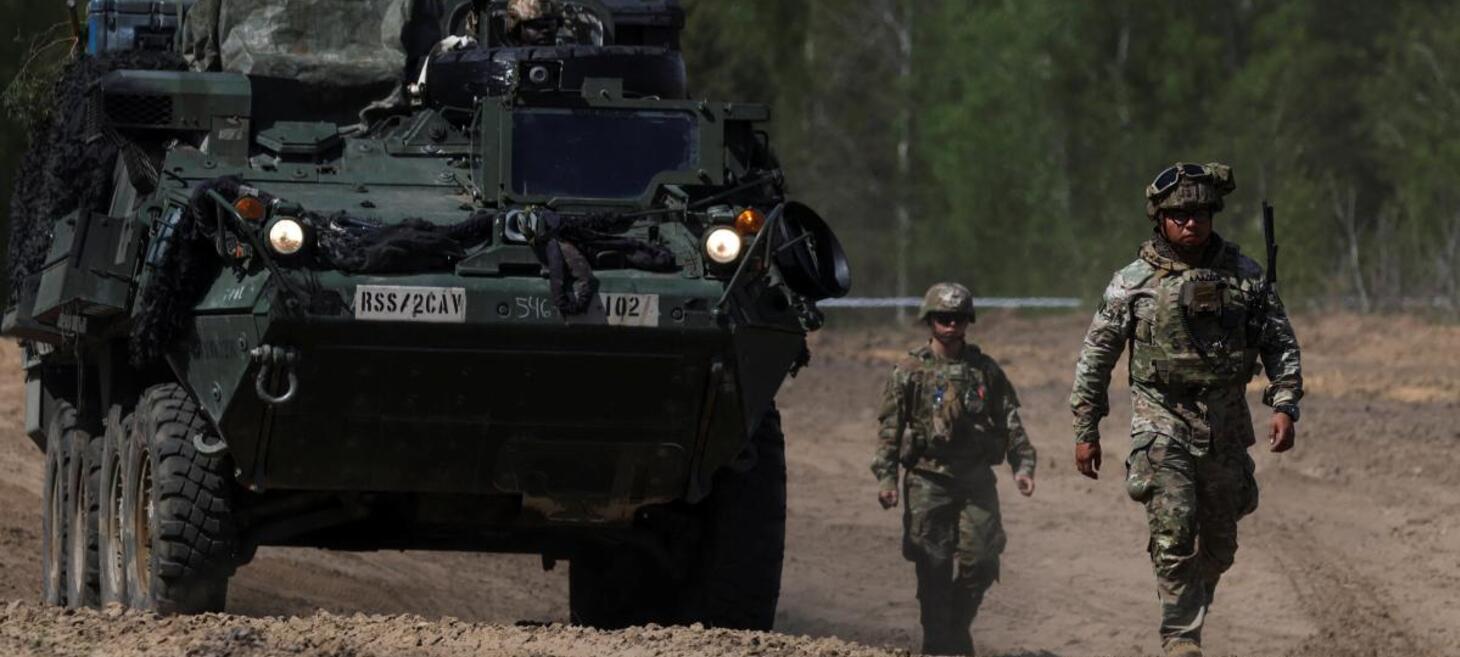

From Hormuz to the Caucasus: The New Geography of Energy Security
Every crisis in the Middle East returns the world’s attention to the same stretch of water. When tankers are seized, or missiles fly near the Persian Gulf, oil prices move, insurers reprice risk, shipping reroutes, and the United States repositions naval and airpower to keep the Strait of Hormuz open. The reflex is sound, because the strait carries volumes nothing else can. Alongside the maritime map, a second geography of energy security is taking shape: the pipelines, railways, power lines, and transit corridors linking the Caspian Basin and the South Caucasus to Europe.
warontherocks.com

What the US and China should address in their September AI meeting
The US and China are about to meet this September to talk about AI. As the world’s two leading AI superpowers, the US and China’s engagement with AI have strategic implications for not only the AI and chip industries but also how they are governed globally. What do we need to know about this meeting? How could the US and China make the best out of their talks?
moderndiplomacy.eu