
INNOVATION

The most innovative companies in defense tech for 2026
Silicon Valley was seeded with giant military contracts, but it’s taken three decades for the tech sector and the Pentagon to really rekindle their complicated love affair. Today, defense tech is blowing up. The $2.7 trillion global industry is being propelled by a hype-fueled, hypersonic flywheel: multiple wars and growing geopolitical threats, which also drive budget increases. (The Trump administration wants to bump up the Pentagon’s to a record $1.5 trillion.) Procurement reform at the Department of Defense—or War—has accelerated deployment of new tech.
Successes, along with the more visceral threats of the Russian and Chinese military, attract tech talent previously hesitant to work in defense. Rising budgets draw more capital and entrepreneurs to the sector, even those who previously vowed not to touch it.
fastcompany.com

US Navy and Hadrian Team Up on Alabama Submarine Facility
On Friday, new-age manufacturing company Hadrian announced a big-time, $2.4B partnership with the US Navy—split between $1.5B in private capital and $900M in government funding—to produce components for the Virginia and Columbia-class submarine programs at the startup’s new 2.2M square-foot facility in Cherokee, Alabama.
tectonicdefense.com
INVESTMENT

African defense tech Terra Industries, founded by two Gen Zers, raises additional $22M in a month
Just one month after raising $11.75 million in a round led by Joe Lonsdale’s 8VC, African defense tech Terra Industries announced that it has raised an additional $22 million in funding, led by Lux Capital.
Nathan Nwachuku, 22, and Maxwell Maduka, 24, launched Terra Industries in 2024 to design infrastructure and autonomous systems to help African nations monitor and respond to threats.
techcrunch.com

The Iran conflict exposes the new cost curve of war
“Shock and awe” was the term of art when the United States invaded Iraq in 2003. That conflict saw the United States bring to bear overwhelming military force backed by superior technology in the form of precision-guided weapons, stealth aircraft, and satellite technology, as well as a finely tuned military force built on sound doctrine, world-class training, and a professional cadre of officers and noncommissioned officers. In many ways, the initial strikes on Iran resemble this dynamic—a world-class military with superior weapons and training engaging a weaker foe, aiming to achieve a lightning-fast military victory in service of political aims.
atlanticcouncil.org
AI
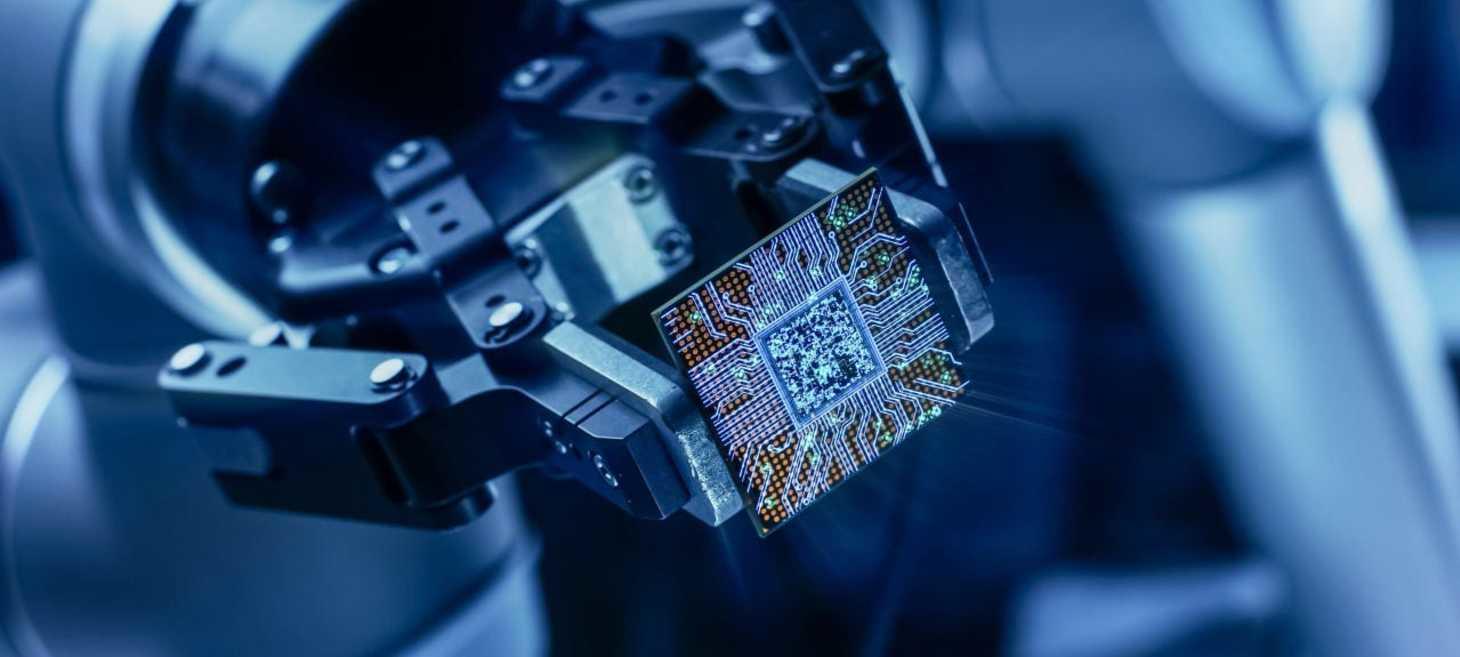
Why AI is only the beginning of the tech war- opinion
Quantum technologies could reshape cybersecurity, military power, and the global balance of power
jpost.com
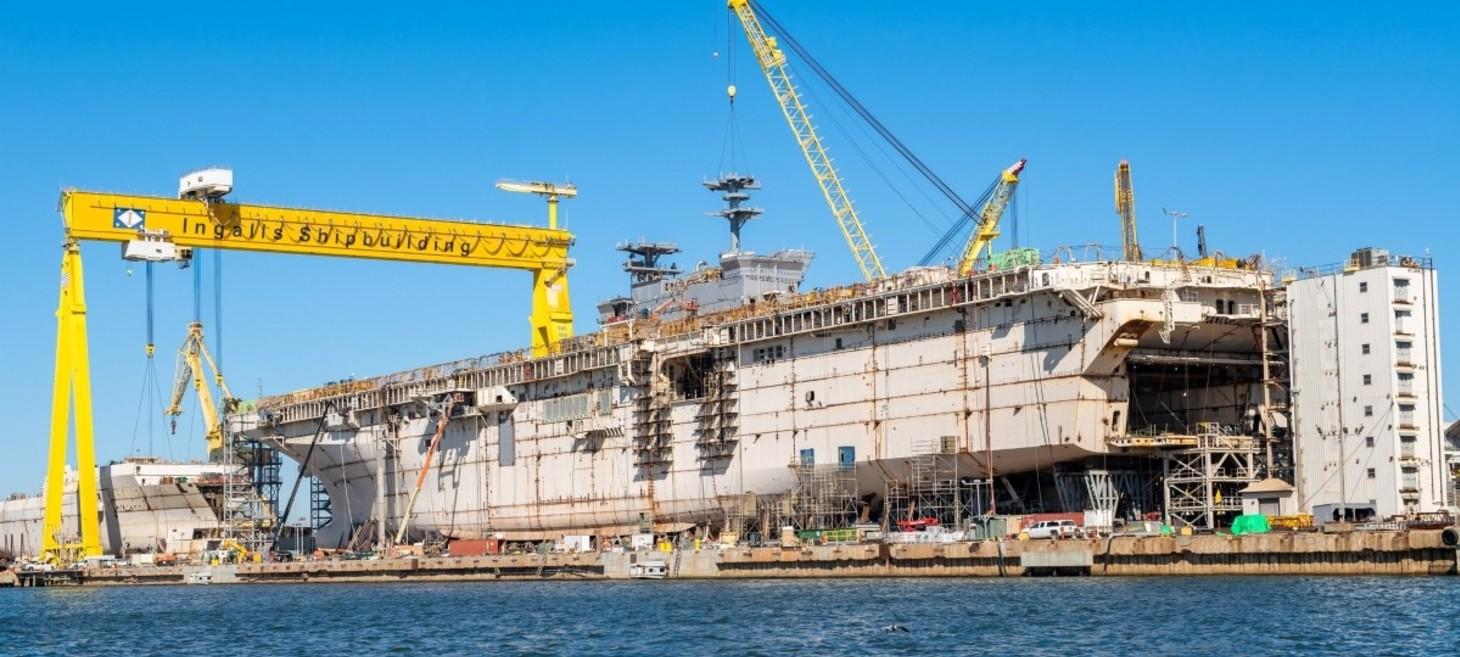
The Next Transformation of U.S. Shipbuilding
Shipbuilding has been slow to adopt AI and other automated tools in comparison to other manufacturing industries. What cultural shifts inside a century-old yard are the hardest to drive when adopting new design/manufacturing tools?
warontherocks.com
TECHNOLOGY
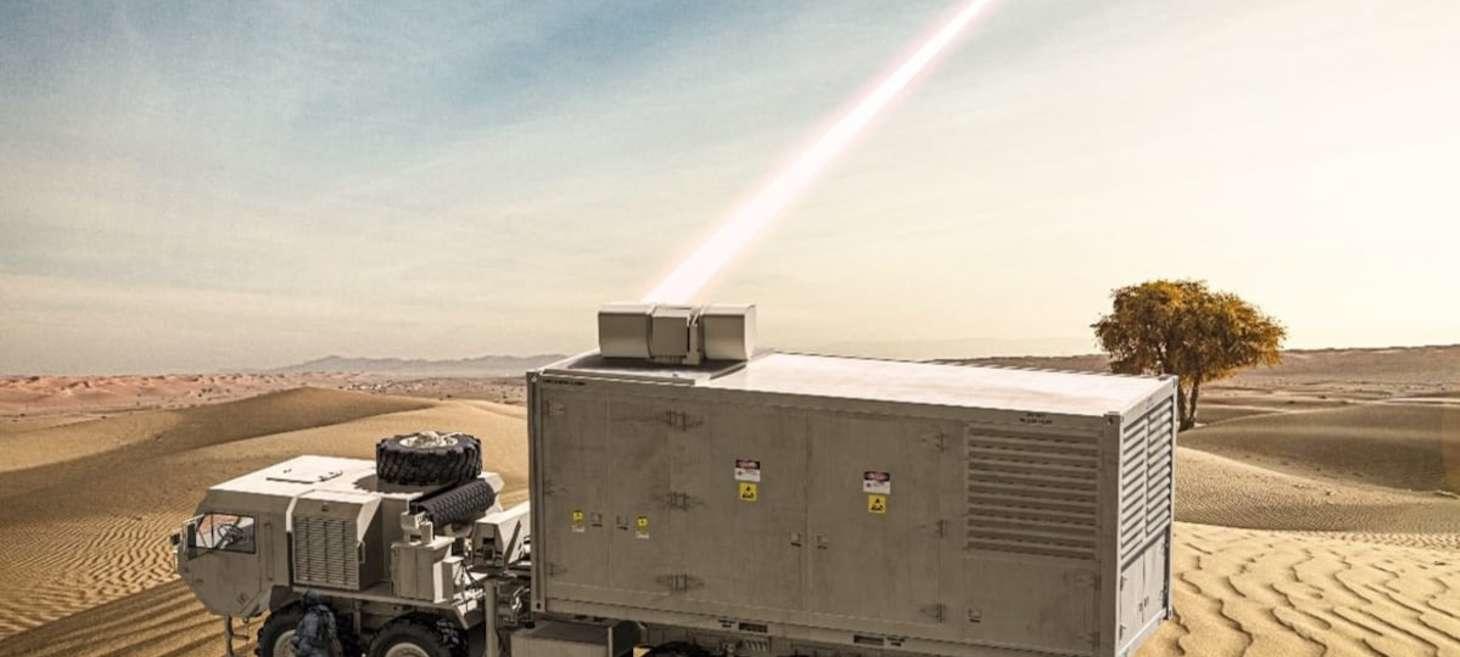
The US Army is already ditching its most powerful laser weapon yet
The U.S. Army hasn’t even officially taken delivery of its most powerful high-energy laser weapon yet, but the service is already walking away from it in pursuit of a newer model.
militarytimes.com

US Navy to use wall-climbing robots to inspect ships
The U.S. Navy and GSA will pay Gecko Robotics $71 million to use its drones and AI to inspect ships, jets, and other gear, part of the service’s effort to reach 80 percent fleet readiness next year and stem its shortage of ships. The company says it can identify repairs up to 50 times faster and more accurately than human inspectors—and do so even before a ship reaches its dock, which will help the Navy get the right people and parts in place.
defenseone.com
STARTUPS

C-UAS tech likely to see only a ‘limited’ role in Iran conflict, say startups
Drones are a key part of how Iran is attacking the US and its allies, but the latter has been slow to adopt new tech to counter them
resiliencemedia.co