
INNOVATION
The Battlefield is the Next Betting Market
When the United States and Israel struck Iran’s nuclear facilities in June last year, the operation caught many observers off guard — the planning was tightly concealed. By contrast, when Operation Epic Fury started in the early hours of Feb. 28, much of the world was staying up refreshing their screens, waiting for it to begin.
Open source analysts tracked the usual indicators of escalation: satellite imagery, repositioning of carrier strike groups, and cryptic statements from officials. Intelligence agencies monitored missile deployments, while journalists quoted inside sources. Energy markets reacted to every rumor.
warontherocks.com

Inside Ukraine’s plans to become a global military data hub
Ukraine's success now and in future partly rests on how it leverages its huge trove of battle data, says the MoD's new Inspector General
resiliencemedia.co

SDA hopes to bring satellite laser links into use within next 6 months
The Space Development Agency is taking a "strategic pause" in launching its Tranche 1 data relay and missile tracking satellites to work out the kinks discovered in the 42 birds already on orbit, according to SDA Director GP Sandhoo.
breakingdefense.com
INVESTMENT

After Swarmer’s Soaring Debut, Here Are 12 Other Potential Defense Tech IPOs
Defense technology startups are on a tear. If that wasn’t already obvious, it became clear this week when shares of AI drone company Swarmer soared 520% in their first day of trading on the Nasdaq.
Swarmer’s debut is modest by tech IPO standards. The Austin, Texas-based startup sold 3 million shares at $5 apiece, raising about $15 million in the process and giving it an initial market cap of $60 million. But by the close on Tuesday, its market cap had soared to more than $382 million.
crunchbase.com
AI
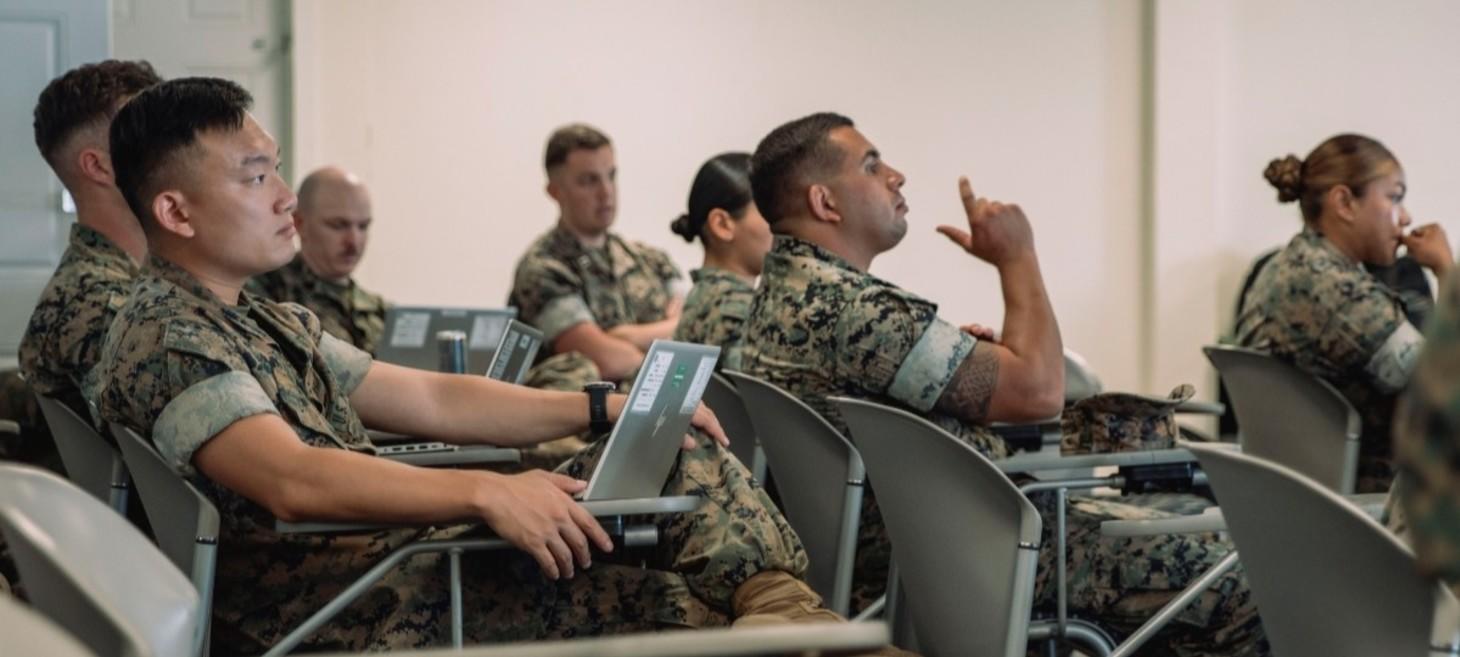
Military Operational Thinking in an Age of Artificial Intelligence
In recent years, as AI has begun to enter military planning and operational design, a persistent unease has surfaced among practitioners. Even with improved tools, increased tempo, and unprecedented access to data, plans continue to falter on integration, coherence, and a shared sense of direction. Marco Lyons’ recent War on the Rocks article on the perceived decline of operational art gives voice to this unease in a way that is both timely and important.
warontherocks.com
TECHNOLOGY

The hard lessons from Ukraine for air defense
Expensive missiles stand no chance against cheap drones. Europe urgently needs to adopt Ukraine’s successful defense strategy.
ioplus.nl
Lockheed, Honeywell Sign Framework Deals to Accelerate Missile, Defense Tech Output
Lockheed Martin’s agreement aims to rapidly scale Precision Strike Missile production
wsj.com
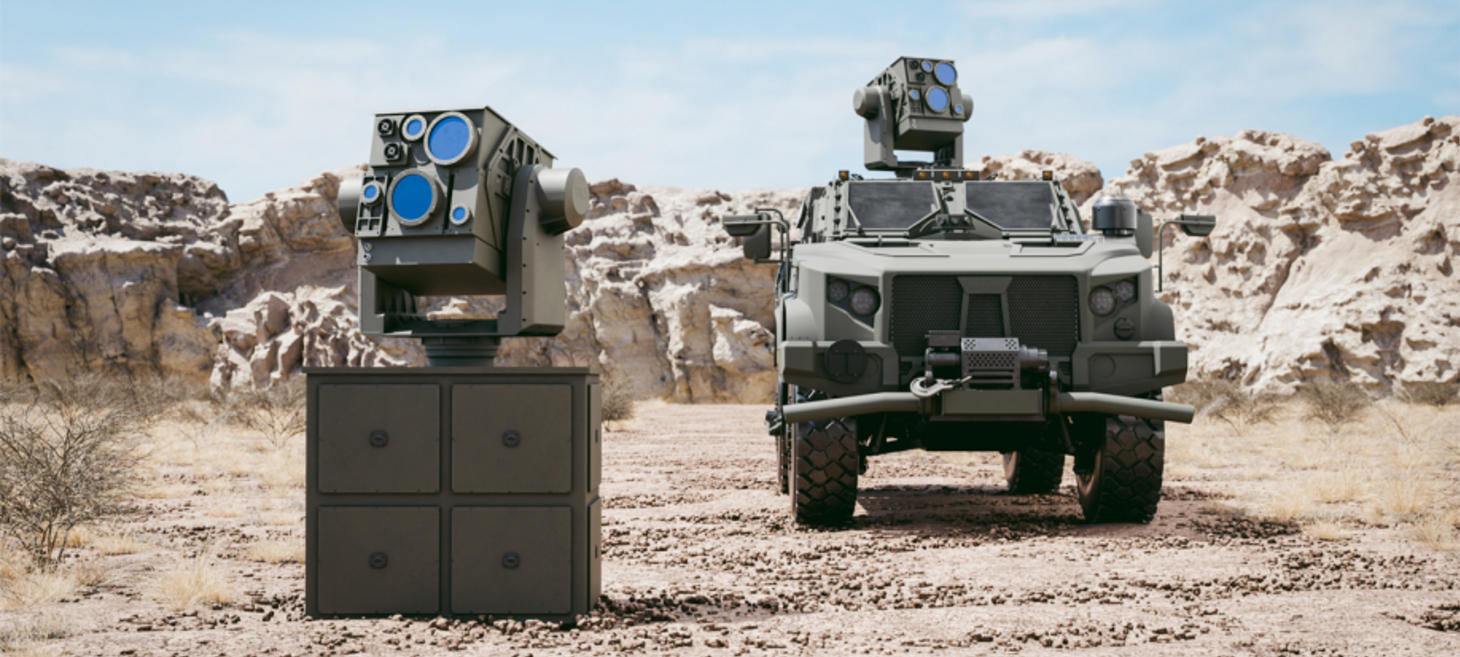
AV Unveils New LOCUST X3 Laser Weapon
Yesterday, AeroVironment (AV) unveiled the latest and greatest version of its LOCUST counter-drone laser, the X3. The platform, which AV says offers “engagements below $5 per shot,” is designed to take down small- to medium-sized drones.
tectonicdefense.com
POLICY
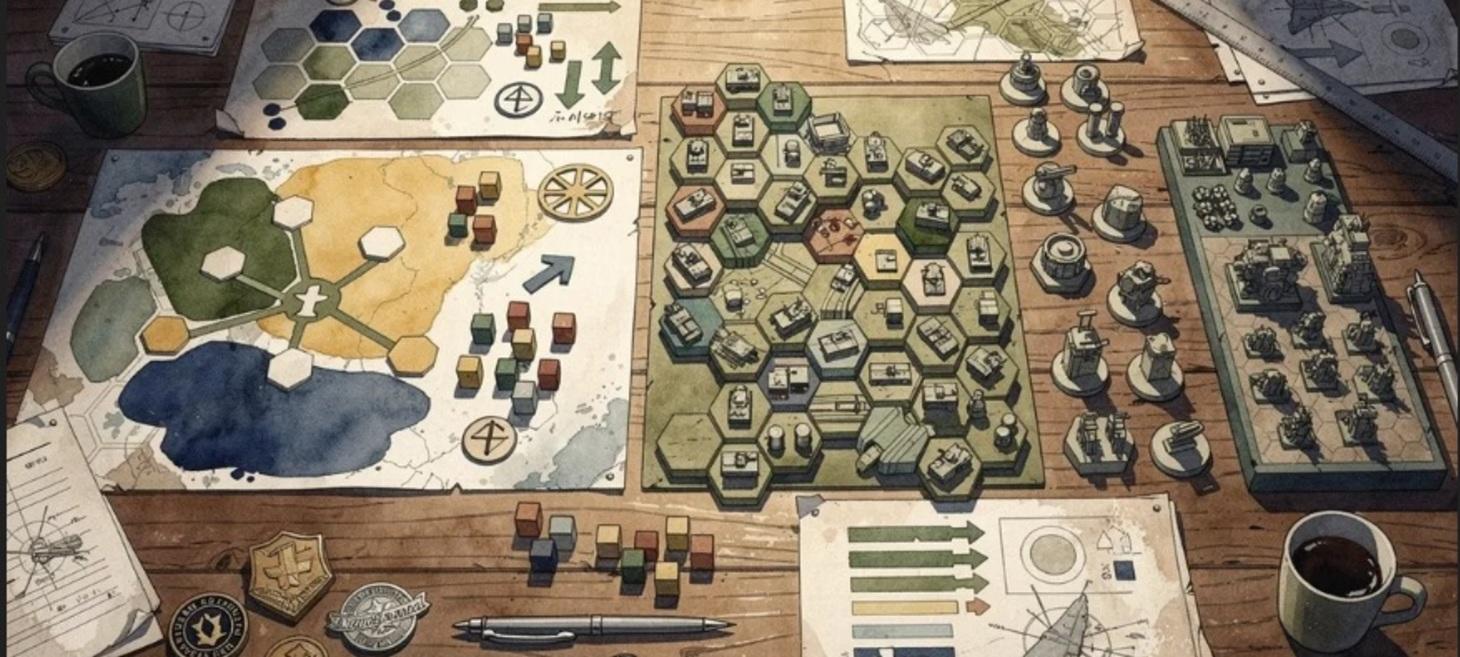
Five Wargames Every Force Design Process Needs
In 2019, Gen. David Berger, the 38th commandant of the Marine Corps, issued his Commandant’s Planning Guidance, which announced the service’s force planning initiative to prepare for conflict in the modern era. Berger identified wargaming as critical to the Marine Corps’ efforts and direction was issued to improve games in both quality and quantity. Twenty major wargames and several smaller games were executed in the first two years to support what became Force Design 2030. This drew deep lessons from the wargames of the inter-war years of the 20th century, used to develop opposed amphibious assault capability.
warontherocks.com
STARTUPS

Why defense tech isn't a typical startup game
Anduril builds technology and hardware for the defense industry. President and chief business officer Matthew Steckman argues that many startup founders misunderstand the defense sector, treating it like a typical market when it rewards only a few dominant players.
techinasia.com