
INNOVATION
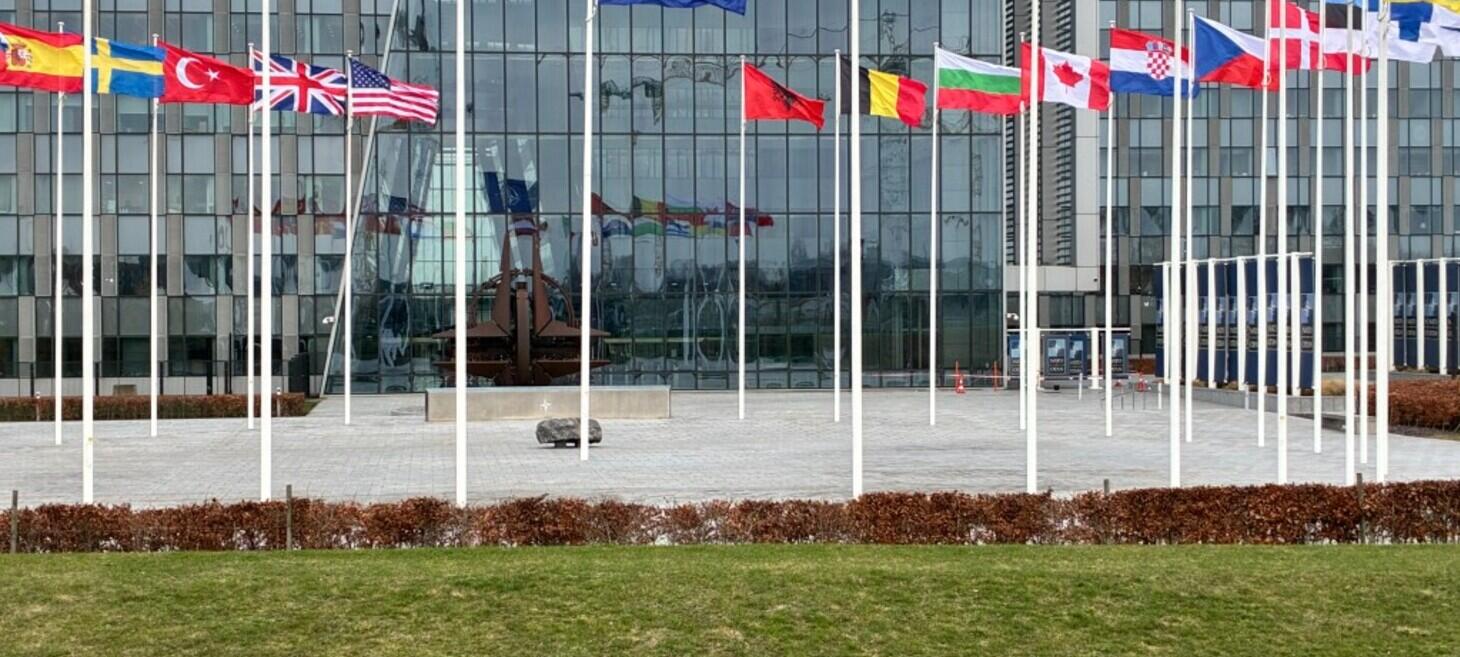
NATO Selects 15 Firms to Move Defense Tech Into Military Use
NATO has selected 15 companies to advance their technologies toward military adoption under the Defence Innovation Accelerator for the North Atlantic (DIANA) program.
The companies were chosen from DIANA’s 2026 cohort of 150 innovators, which itself was selected from more than 3,600 proposals submitted through a competitive challenge process. Ten of the 15 companies are joining the Mission Track this year, following the selection of the first five in May.
thedefensepost.com
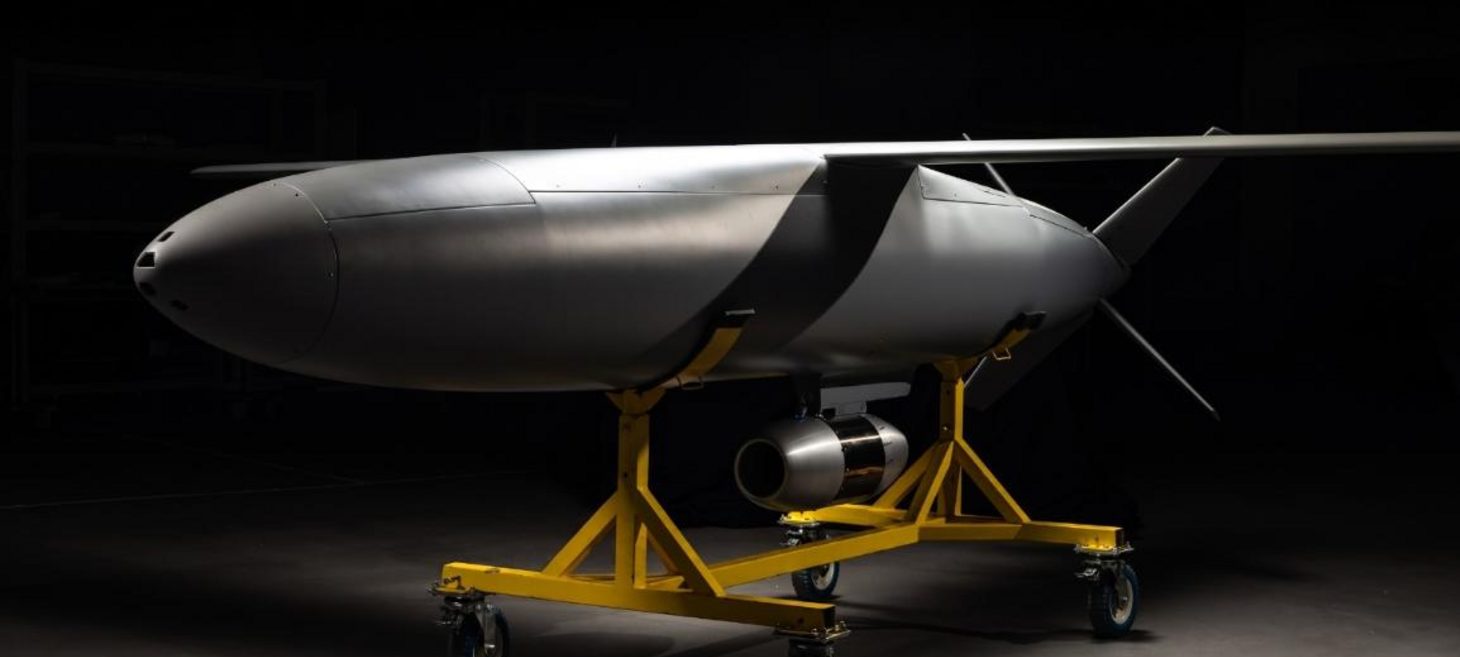
Covenant Emerges from Stealth with $250M for Deep Precision Strike
Precision strike startup Covenant emerged from stealth with a “heavy-payload, long-range” Tomahawk-class missile called Anthem and a whopping $250M in funding (across three rounds) led by Andreessen Horowitz, Founders Fund, Lux Capital, 8VC, Aleph, and Lightspeed Venture Partners.
tectonicdefense.com
INVESTMENT
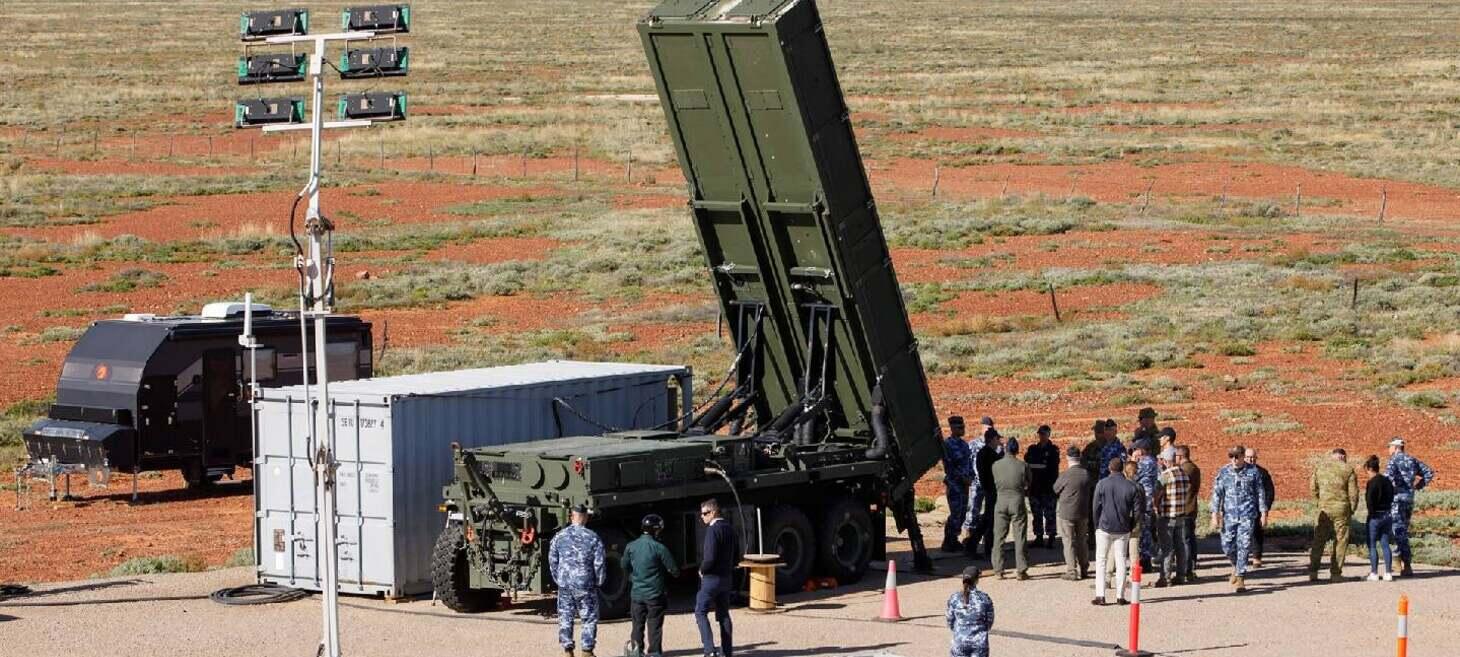
Australia announces $1.7bn investment to boost air and missile defence
The investment will replace existing systems and upgrade air surveillance and control systems, supporting Defence operations in Australia and abroad.
army-technology.com

Palantir CEO Alex Karp backs ousted Ukraine defense minister's new defense tech startup
Former Ukrainian Defense Minister Mykhailo Fedorov is launching a defense technology company backed by Palantir CEO Alex Karp, as the former government official looks to turn Ukraine’s wartime technology experience into products for Kyiv and its allies.
Karp is set to become the company’s first lead investor, according to Fedorov’s press office. The size of the investment was not disclosed.
cnbc.com
AI

Defense startup’s AI aims to make every munition count
When Andy Markoff deployed to Mosul with the U.S. Marine Raiders in 2016, one of the challenges they faced as they pushed ISIS fighters back along a hundred-mile front was that they never had enough munitions, he said.
Markoff explained that calling in air support was an effective way to clear an area, but with thousands of potential targets and few available weapon systems, he constantly had to calculate whether a particular target was worth it.
militarytimes.com

AI-powered biowarfare is coming; the Army lays plans to ‘fight through’ it
AI is “dramatically lowering the barrier” to creating biological weapons, according to the Army’s updated biodefense strategy—even as it gives commanders and troops a better picture of how biological threats, both natural and manmade, will shape future battlefields, service officials say.
defenseone.com
TECHNOLOGY

Automating the Action Officer: Between Bureaucracy and Technology
If there is a revolution brewing in the automation of white-collar work, you wouldn’t know it at the Pentagon. Here, the typical action officers, staff who tackle the daily work of the bureaucracy, perform essentially the same duties as their predecessors in 1996 or 1956: creating charts, authoring papers, delivering briefings, and coordinating across offices. Given the promise of AI tools, allowing this staff ecosystem to remain stuck in the past represents a dangerous failure to adapt, especially as senior leaders criticize the workforce for lacking organizational speed. Having served as an action officer across the White House, Pentagon, and intelligence community, I am confident that national security agencies can automate much of this work for greater efficiency and better decisions.
warontherocks.com
SPACE

Orbital inks deal with Germany’s Reflex to build AI data centres in space
Berlin startup to design the satellite bus that will form a 100K constellation carrying Orbital's servers
resiliencemedia.co

SPACECOM Maneuvers Satellites Across Orbits in New Exercise
U.S. Space Command maneuvered satellites across low-, medium-, and geosynchronous orbits in an exercise early this month, advancing the command’s push to master dynamic operations in space.
airandspaceforces.com
EUROPE
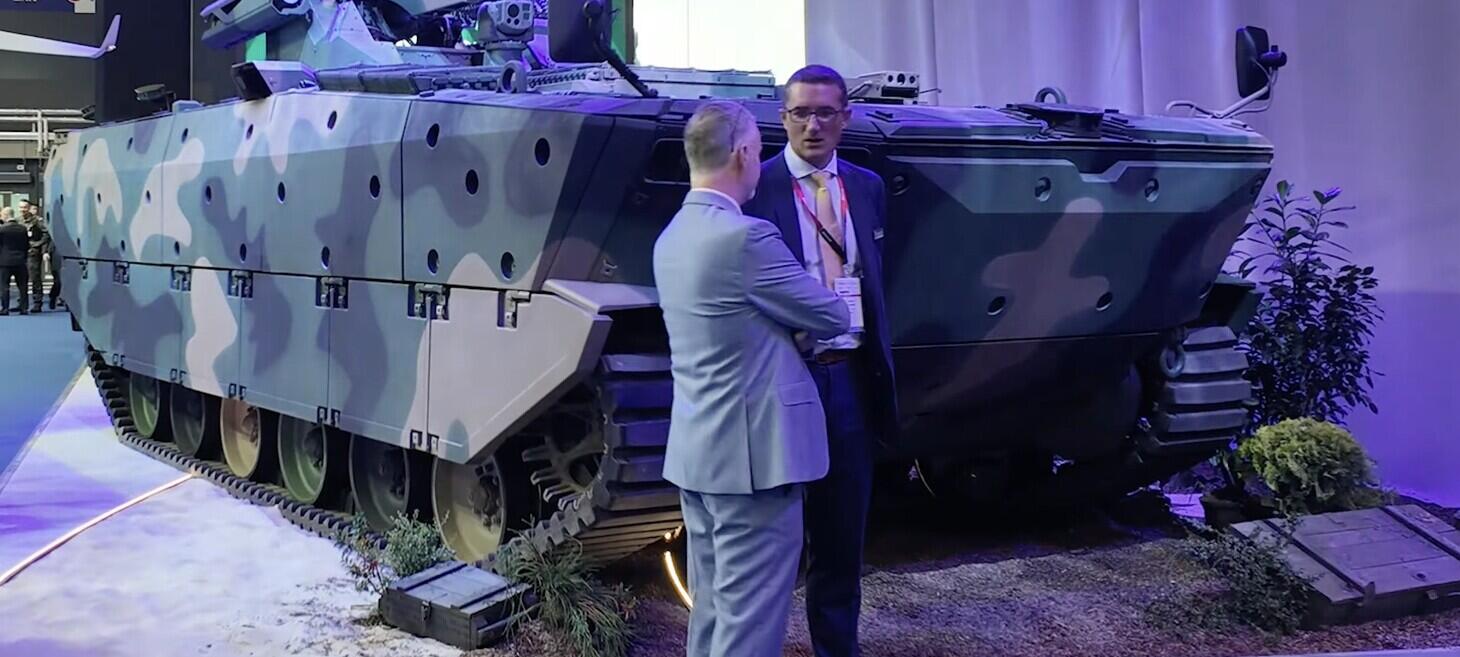
Poland’s 40-Ton Infantry Fighting Vehicle Breaks Cover With Tank-Killing Punch
A Heavy Infantry Fighting Vehicle uses heavy protection, a remotely controlled turret, and advanced observation.
nextgendefense.com

Italy agrees to transfer two FREMM frigates to Greece
The Carlo Bergamini and Virginio Fasan frigates are set for delivery to Greece in H1 2028 and H1 2029, respectively.
naval-technology.com
DRONES
General Atomics Offers First Glimpse of Wildfire Drone
Wildfire was unveiled in a sizzle reel-type video General Atomics Aeronautical Systems Inc. posted on social media Sept. 9. The video touts more than three decades of the company’s unmanned aerial vehicle development, starting with the Gnat and Predator drones flown in the 1990s up to and including its latest FQ-42A Dark Merlin, before revealing the first three images of Wildfire in short succession.
airandspaceforces.com
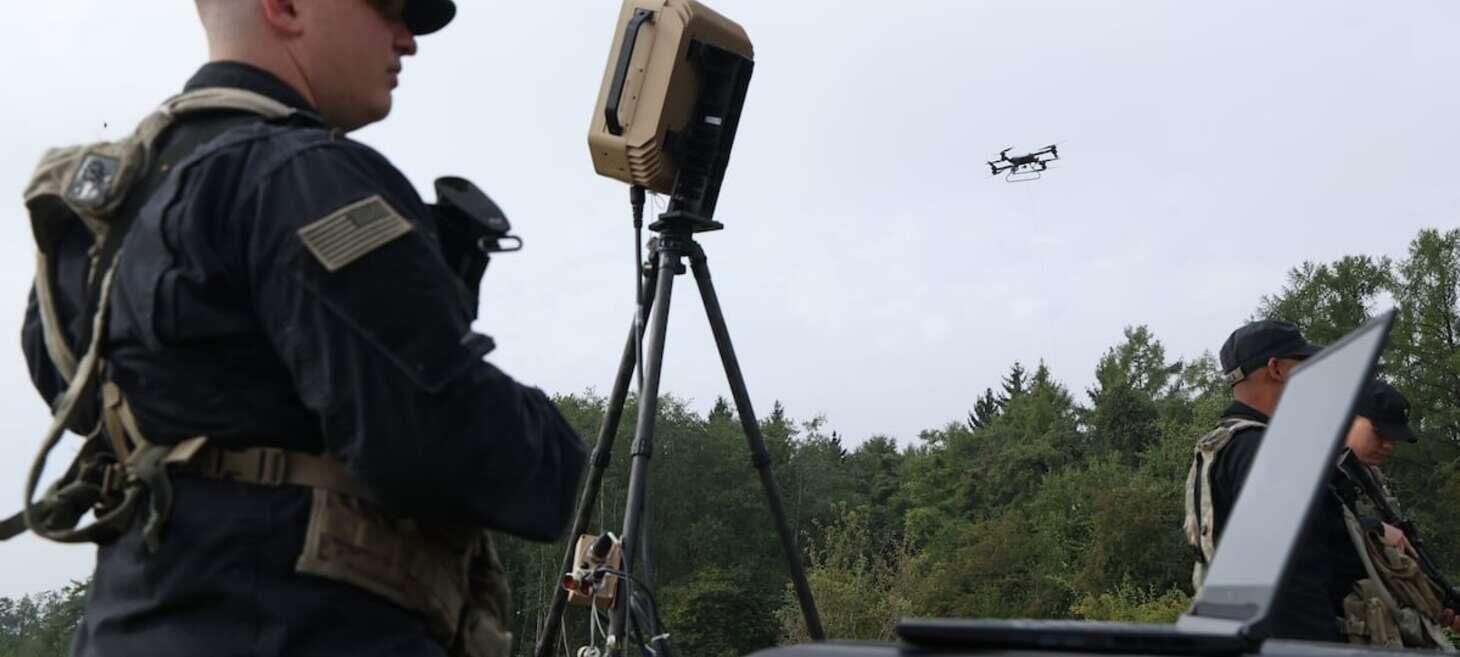
US radar maker Echodyne mulls European production as drone warfare fuels demand
U.S. radar maker Echodyne has announced that Norway’s Kongsberg has selected its MESA radar platform for a broad range of air and surface applications.
Echodyne opened a manufacturing facility in Washington state last July, and is considering establishing a manufacturing presence in Europe to benefit from the booming counter-drone market there.
defensenews.com
MARITIME
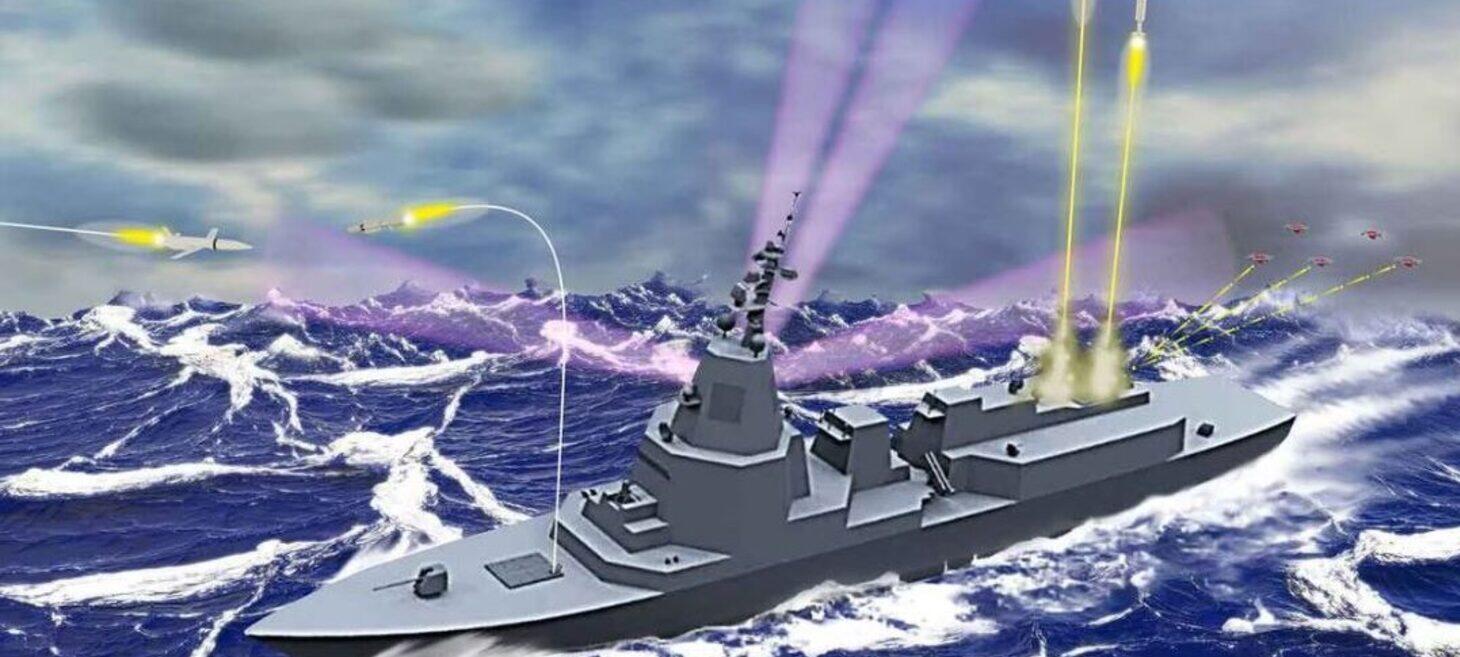
How Japan, South Korea are building up naval capabilities for China threat
As China dwarfs other Pacific nations with its naval expansion in terms of raw tonnage, number of hulls and the amount of capabilities hitting the sea, US allies Japan and South Korea are scrambling to modernize their own naval capabilities.
breakingdefense.com
AIR FORCE
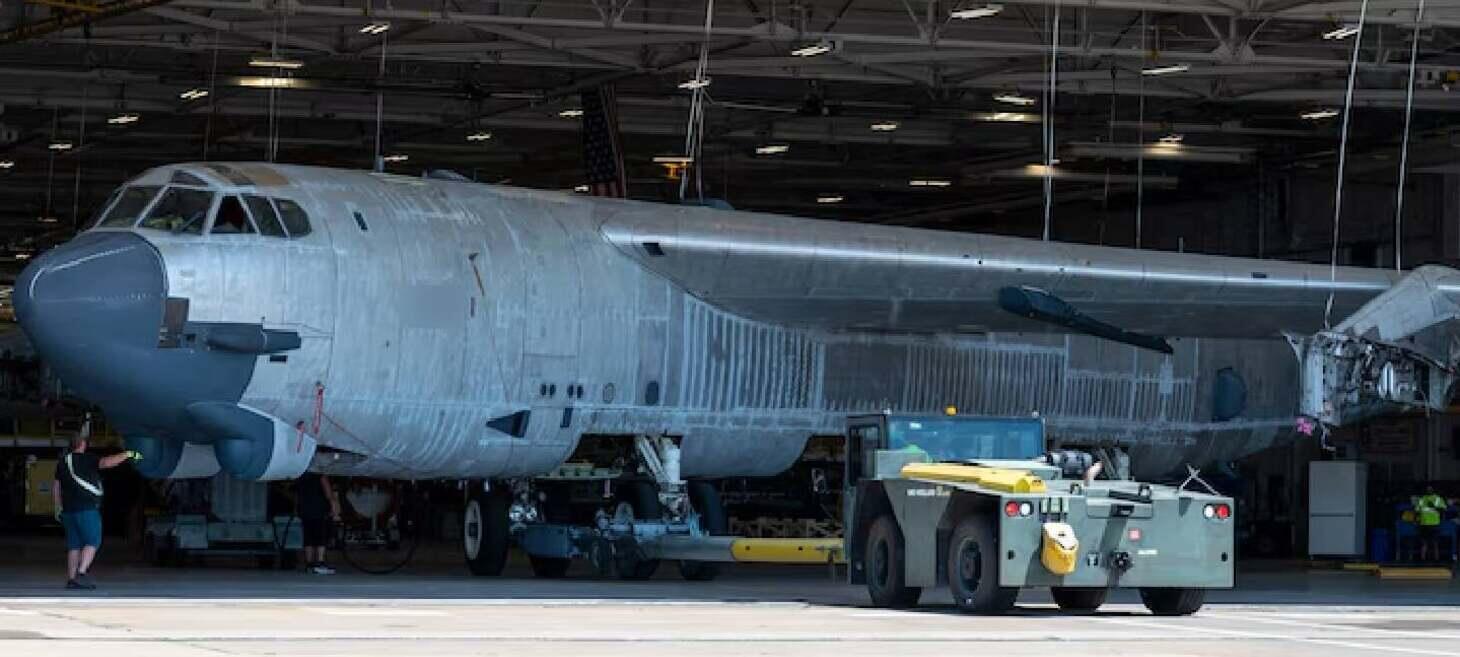
US Air Force launches initiative to enhance bomber fleet readiness
The partnership aims to remove logistical barriers and speed up support, parts, and maintenance to boost B-52 and B-1 aircraft availability.
airforce-technology.com