
INNOVATION

Can Anduril Disrupt the US Defense Industry?
For many decades, the Pentagon has bought most of its equipment from five big defense contractors: Lockheed Martin, RTX, Northrop Grumman, Boeing, and General Dynamics. Is all that about to change? Chicago Booth’s Marc Knez talks about how Anduril, a tech startup, is threatening to disrupt the defense industry. Could it ultimately lead to cheaper and more effective systems for the military?
chicagobooth.edu

HII wins $2.2bn SOUTHCOM contract to support STINGRAI initiative
STINGRAI boosts SOUTHCOM’s detection and disruption of illicit activity across the Americas, strengthening intel and recon for US defence.
naval-technology.com

Meet DC’s 2026 Leading Defense-Tech Innovators
From drones to artificial intelligence, a defense-tech boom is underway. Here are some of the key businesspeople, policymakers, and others shaping the future and keeping us safe.
washingtonian.com
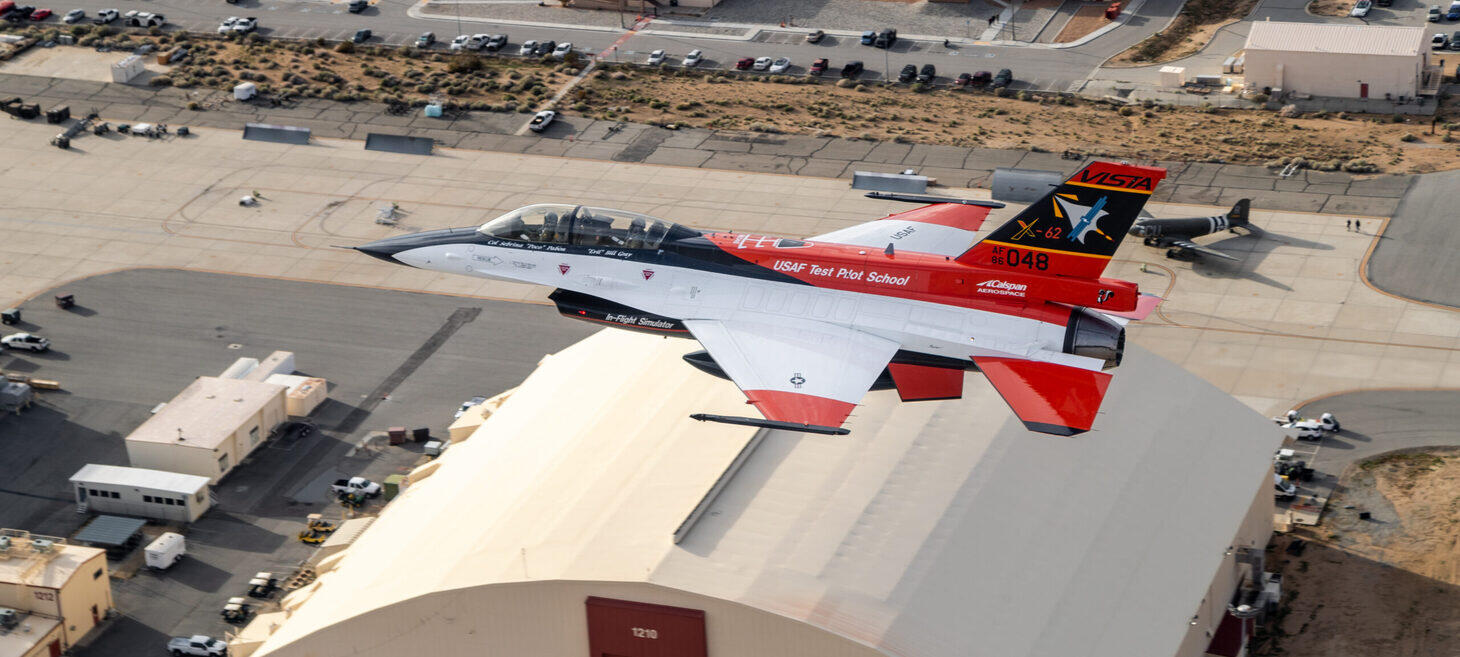
AI-Driven X-62 Intercepts Crewed Jets in Test
The Air Force’s X-62 autonomous test fighter carried out multiple artificial intelligence-controlled intercepts of a crewed jet in a series of experiments earlier this year, the service said Aug. 4.
airandspaceforces.com
AI

Archer agrees to buy three Boeing subsidiaries for physical AI push
The deals unite decades of expertise in autonomy, eVTOLs and UAS, building a full-spectrum physical AI platform for aerospace and defence.
airforce-technology.com
TECHNOLOGY
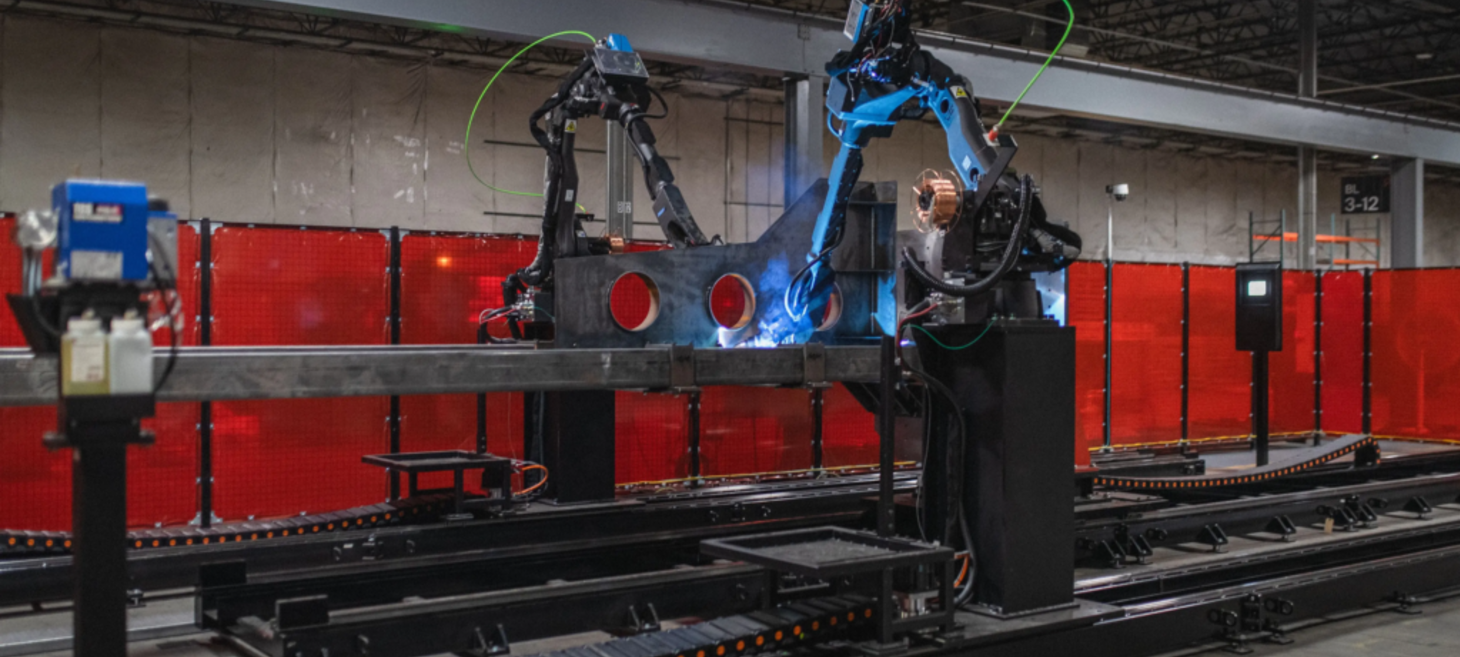
HII Teams Up with GrayMatter and Path for Robotic Shipbuilding
Shipbuilding megalith HII (the artist formerly known as Huntington Ingalls Industries) announced that it’s signed agreements with GrayMatter Robotics and Path Robotics to “accelerate the development and deployment of advanced physical AI automation across U.S. Navy shipbuilding programs, including aircraft carriers, submarines, destroyers, amphibious ships, future frigates and unmanned surface vessels.”
tectonicdefense.com
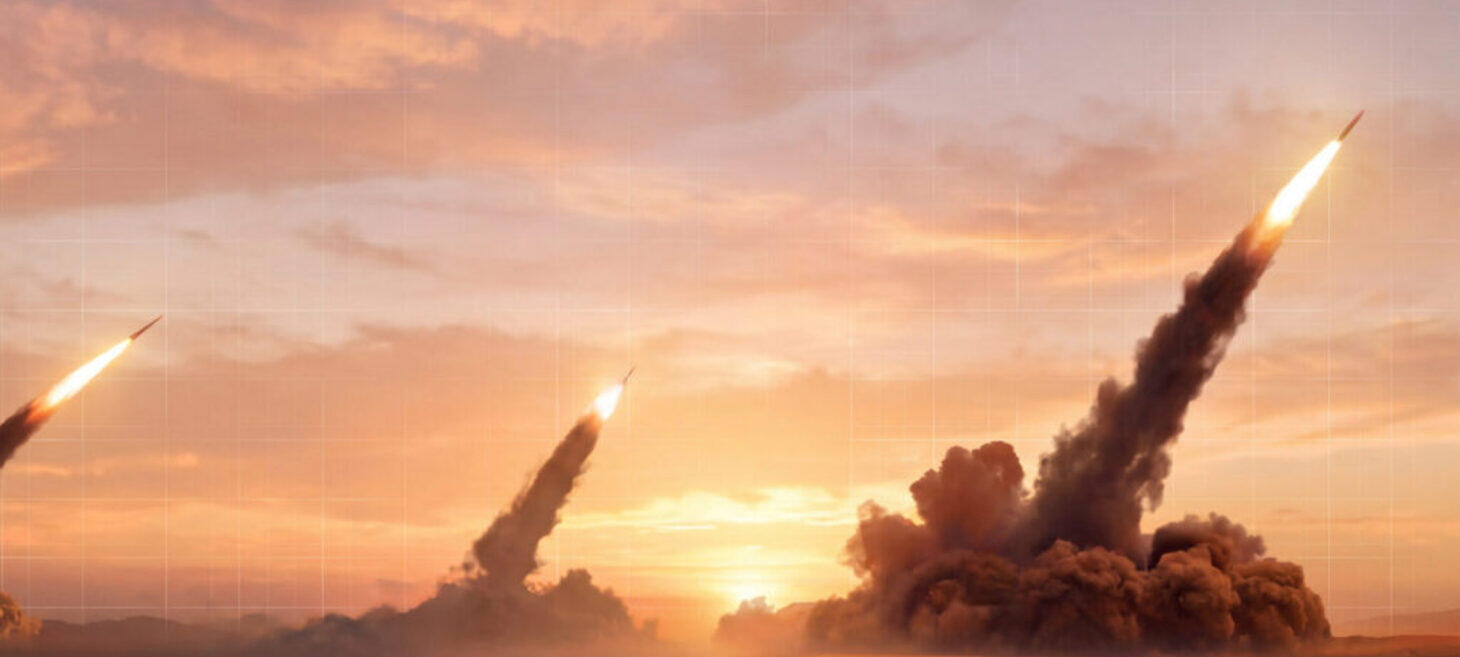
Lockheed Is Giving Future Missiles a Shared Tech Backbone With ‘Strigo’
Strigo is a modular suite of RF sensors, datalinks, and seeker technologies built on a common architecture.
nextgendefense.com
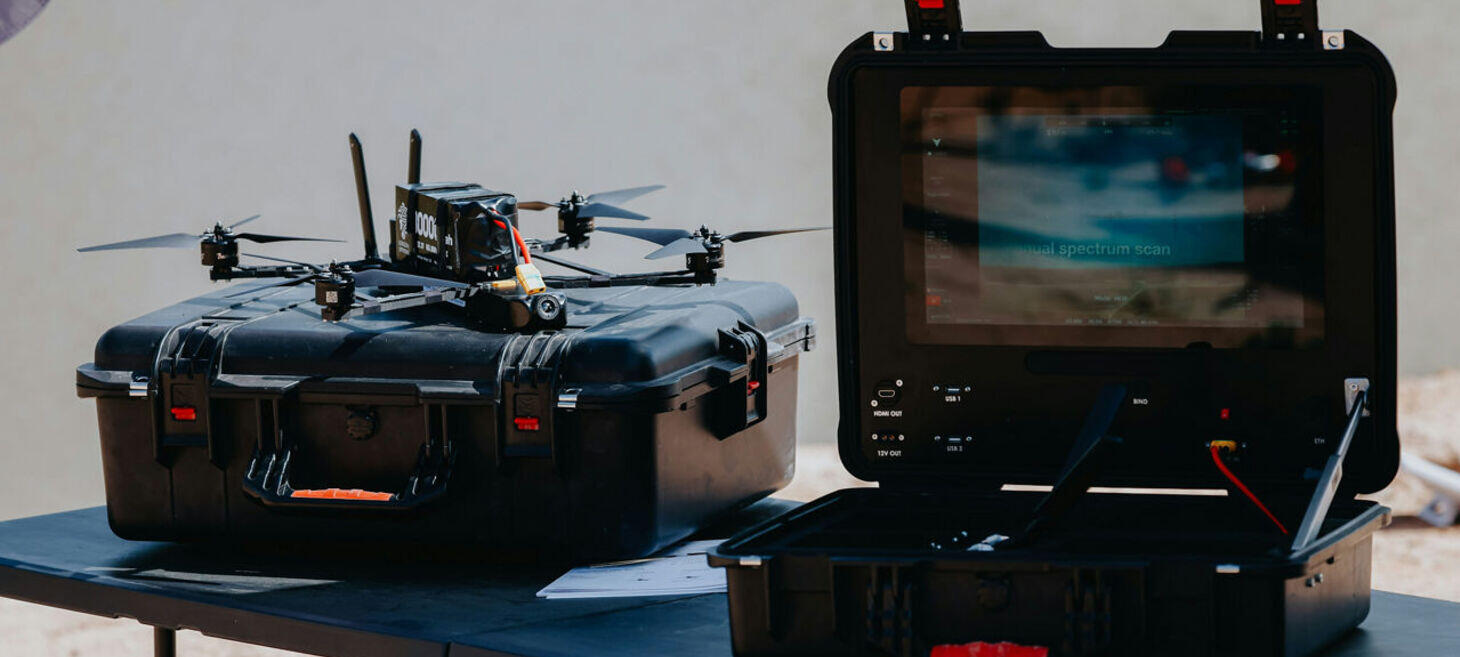
Innovation and technology adoption
Technologies such as artificial intelligence (AI), drones and autonomous systems are reshaping the way that conflicts are fought and redefining the capabilities required for effective deterrence and defence. In this rapidly changing security environment, NATO must remain on the cutting edge of innovation, developing and adopting new technologies at the speed and scale needed to protect its populations, territory and forces.
To that end, the Alliance is working with partners across innovation ecosystems, industry and academia to identify, test and procure new technologies and maintain NATO’s technological edge and military superiority through innovation.
nato.int
EUROPE

Italy moves to reshape its military intelligence architecture
Italy is preparing to reorganize the top structure of its armed forces and turn its military intelligence branch into a new joint Cyber Intel Command. The changes are part of a broader defense reform approved by Giorgia Meloni’s cabinet last week and now headed to Parliament
decode39.com

Why COPASIR is focusing on Italy’s defense industry
The COPASIR’s annual report shows that Italy’s defense industrial base is increasingly viewed as a strategic asset whose resilience has direct implications for national security. This article is part of Decode39’s vertical in-depth coverage dedicated to the report presented in August 2026
decode39.com
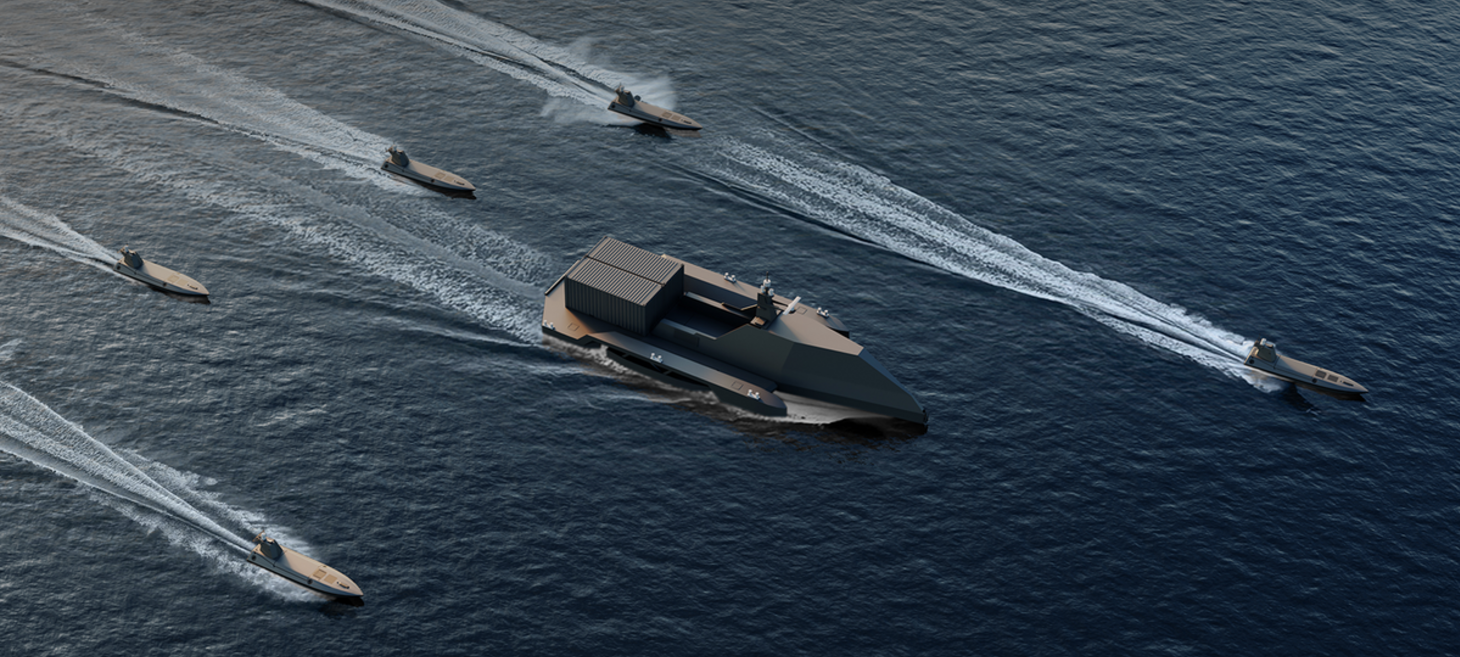
Chinese tech in Royal Navy drones exposes UK defence supply chain dilemma
Chinese-made components are buried deep in global technology supply chains – and cutting them out could prove particularly difficult for defence startups
resiliencemedia.co

Western Balkans IT sector: Resilience as a service
The Western Balkans IT sector has turned a difficult history into a key selling point, and clients are increasingly willing to pay for it.
emerging-europe.com

A Capital Rush in Italy's Defense Industry. The Cases of Tekne, Deas and T-Defense
Three deals in forty-eight hours — Tekne, Deas, T-Defence — are the clearest signal yet of a broader trend: trusted capital, Italian, European and above all American, is recognizing in Italy’s defense industry a technological value that places it among the reference suppliers for major international primes. “These are three important deals because they involve companies with capabilities relevant to the country's security and defense,” Giovanni Soccodato tells Decode39.
decode39.com
DRONES
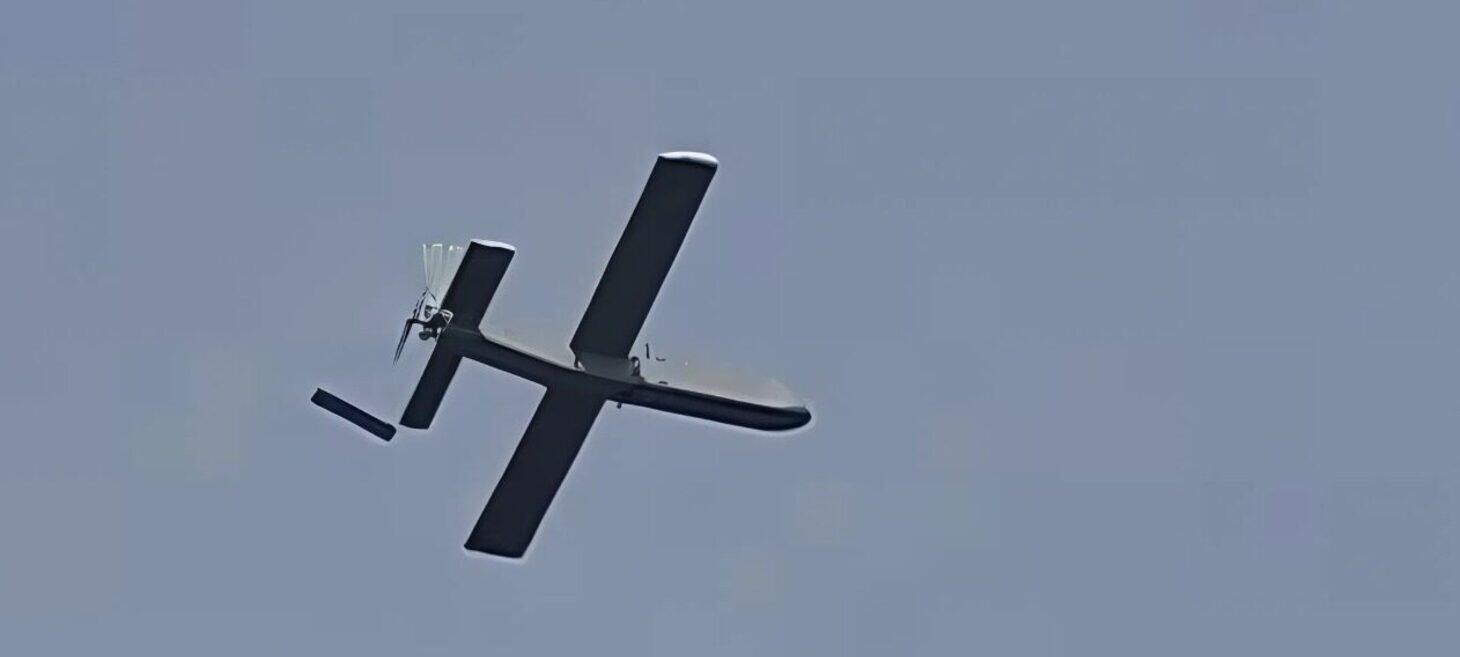
Taiwan Adds a ‘Ukraine-Style’ Mid-Range Strike Drone to Its Arsenal
Taiwan’s medium-class one-way strike drone uses a Ukraine-style design.
nextgendefense.com
STRATEGY
The New Revolution in Military Affairs
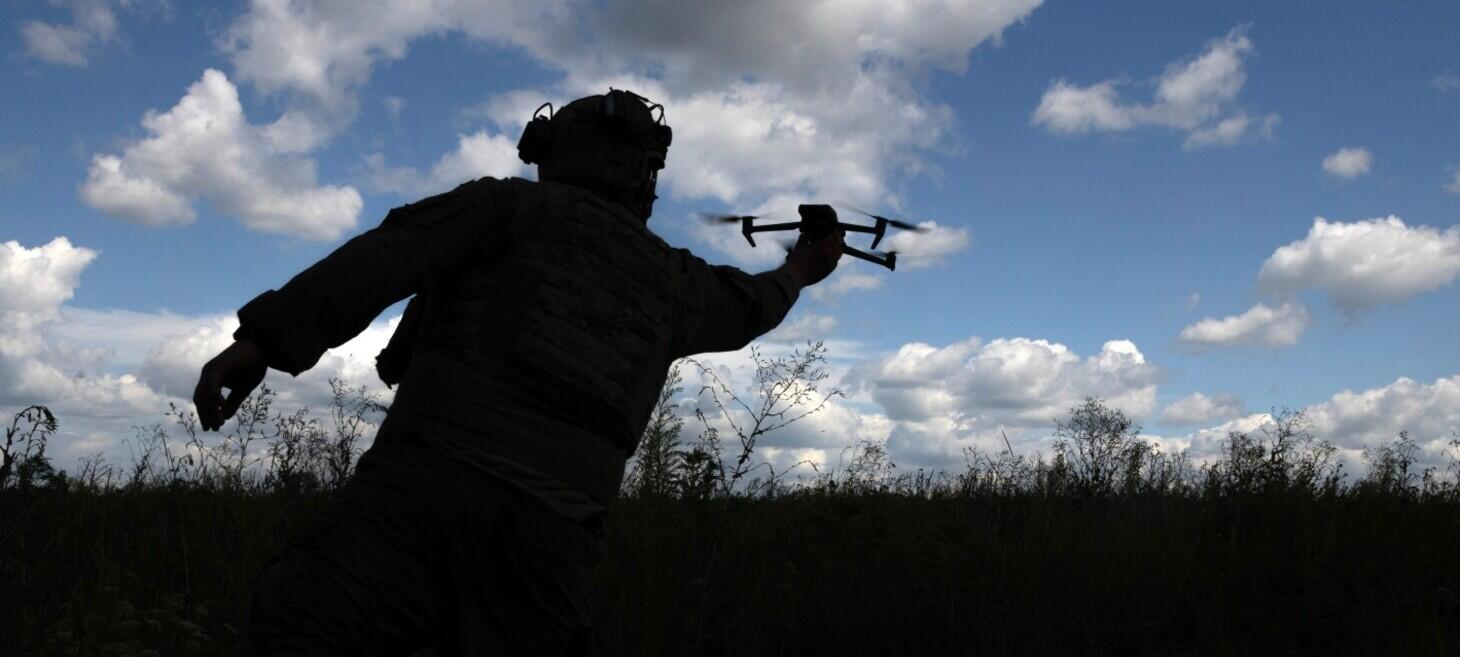
Russia’s war against Ukraine has entered a new phase, one defined less by territorial gains than by intense technological competition. Both sides are now engaged in a sustained effort to gain advantage through rapid innovation and adaptation, introducing new types of unmanned systems, countermeasures, and operating methods at unprecedented speed. Ukraine is championing a distributed, bottom-up innovation model with hundreds of firms and volunteer groups, close integration between frontline units and manufacturers, and research-and-development activity embedded directly in combat formations.
Russia, by contrast, pursues a centralized approach, with the state playing a dominant role in steering, producing, and scaling new weapon systems and capabilities. Ukraine is ahead in some areas and Russia in others, but both have moved far beyond prevailing Western practices, transforming the battlefield into a live environment of continuous military-technical experimentation.
carnegieendowment.org