
INNOVATION
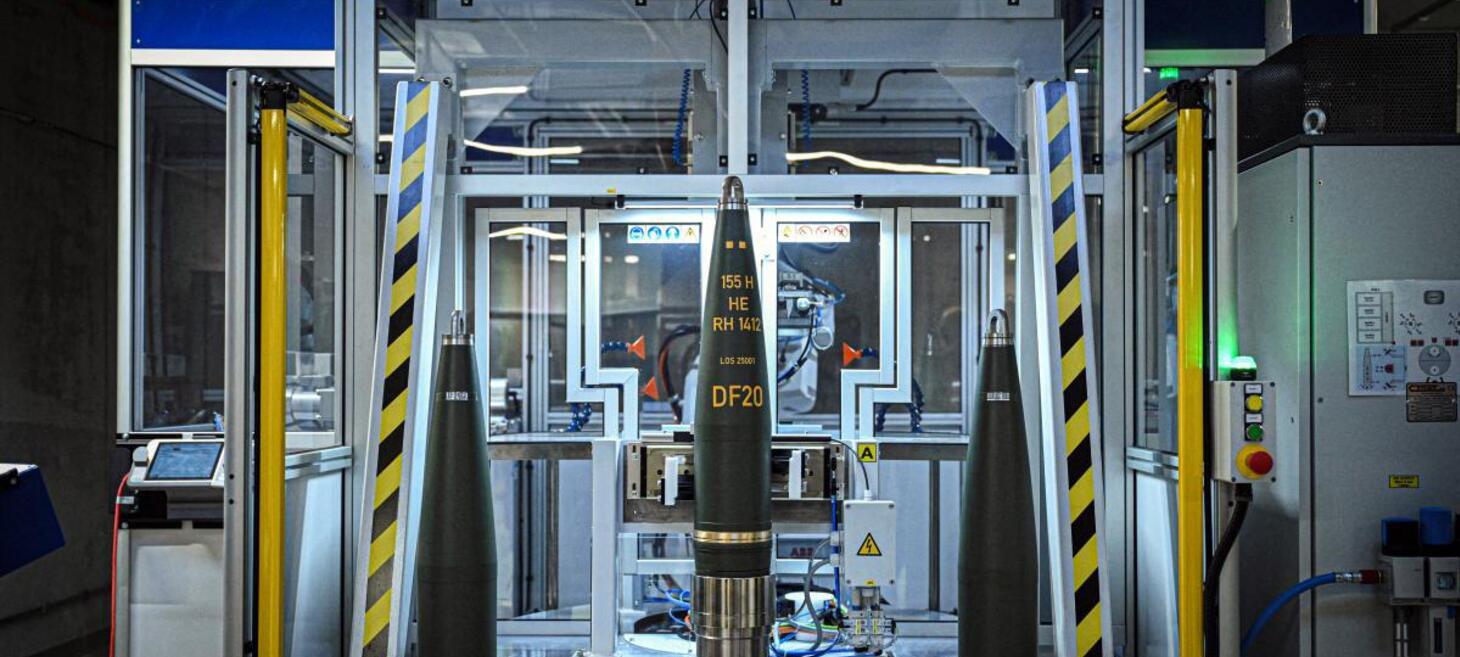
How to Win the Defense Innovation Contest
Washington’s alliances are under immense strain. Many allies and partners are subject to increased threats from great-power adversaries, and they are coming to doubt whether they can rely on the United States. The response to these pressures is to rearm. Like the United States itself, U.S. partners across Asia, Europe, and elsewhere are building up their defense industrial and technological bases to improve their ability to project power, deter enemies, and prevail in a protracted conflict.
The problem is that both the United States and its partners have treated their defense buildups primarily as domestic projects when what they need, in fact, is to pool their resources more effectively. The war with Iran demonstrates the risks of a siloed approach: American legacy platforms—stealth fighters, guided missile destroyers, and aircraft carriers—delivered potent attacks but could not eliminate Iran’s military threat. The conflict rapidly depleted U.S. stockpiles of high-end, long-range strike munitions and air defense interceptors, while U.S. bases, Gulf infrastructure, and shipping through the Strait of Hormuz proved vulnerable to cheap and plentiful Iranian missiles and drones.
foreignaffairs.com
AI

Marines eye cloudless networks to keep AI tools running when the cloud goes down
The software company Ditto says it can solve a key problem by networking “whatever transports the customer brings.”
defenseone.com
The Pentagon’s AI Strategy Has a Funding Problem
In the span of two weeks, the White House issued two of the most ambitious artificial intelligence directives in American history. On June 2, President Donald Trump signed an executive order mandating rapid AI adoption and hardened cyber defense across the government. Three days later, National Security Presidential Memorandum 11 directed every element of the national security enterprise to accelerate AI adoption, anchored by four pillars: adoption, adaptation, assurance, and accountability.
warontherocks.com
Nokia, NestAI combine 5G, AI, and sensing for constant battlefield connectivity
Two Finnish companies, Nokia and NestAI, have announced the first products built through their 2025 partnership. The systems, which connect AI, 5G connectivity, and advanced sensing, allow users in contested, jammed environments to maintain “ command and control, support autonomous systems, and reduce reliance on fixed communications infrastructure.”
resiliencemedia.co
TECHNOLOGY
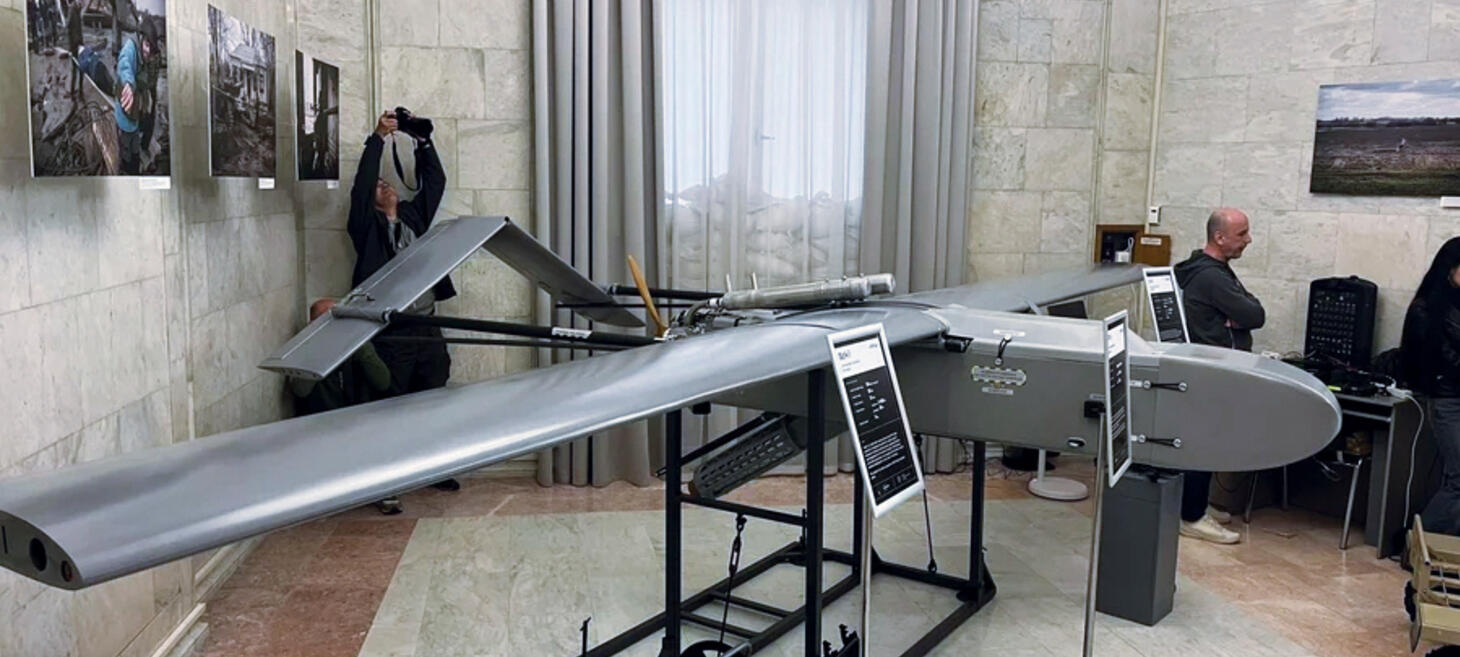
Analysis: How Ukraine Is Reimagining Strategic Attack
Since Russia’s 2022 invasion, outside observers have measured Ukraine’s prospects by a familiar yardstick: miles of territory gained or lost on the ground. By that standard, the war often appears static, attritional, and brutally expensive.
But Ukraine is now demonstrating an alternative—and more effective—means to fight, taking the war deep into Russian territory not simply to punish Moscow, but to disrupt the systems that enable its military to continue fighting.
airandspaceforces.com
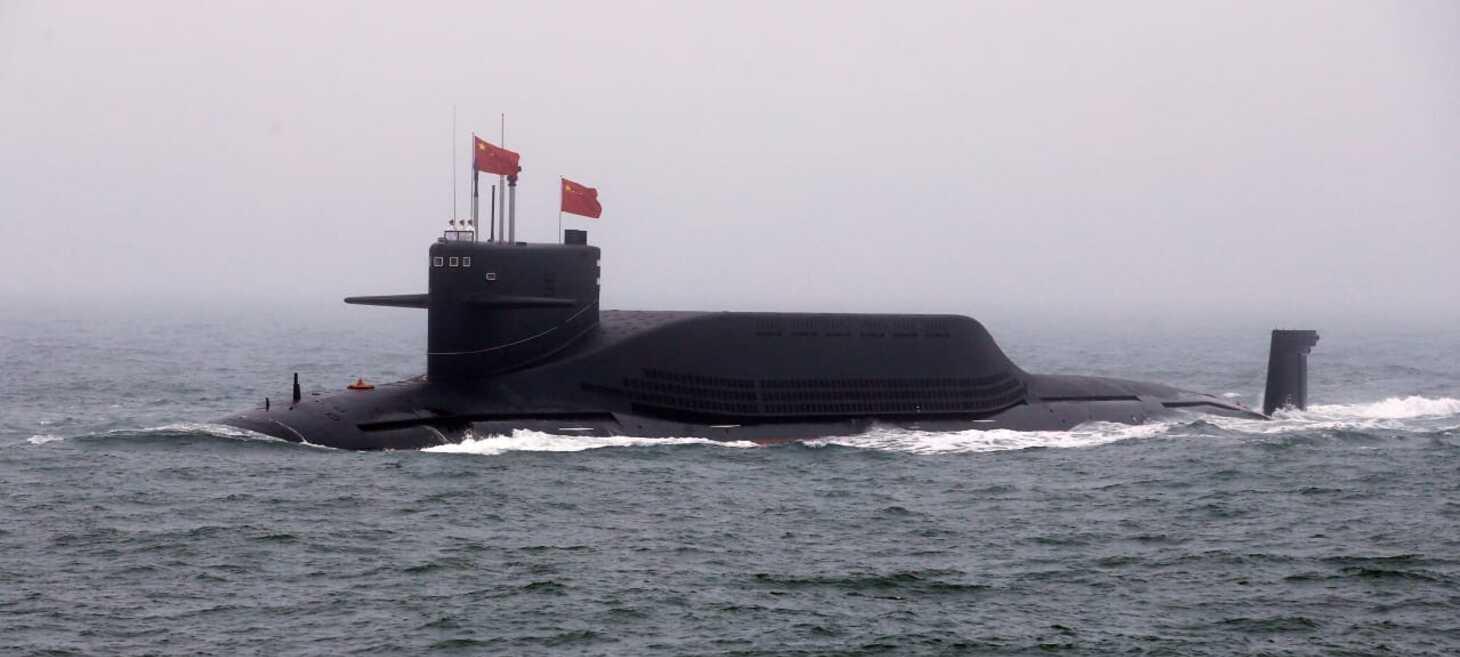
China’s missile test shows the defense‑tech race is now about networks
China’s missile test signals a new era where networks, resilience, and alliances-not the largest fleet or most advanced long-range missile will define power.
jpost.com

What the Pentagon’s new post-quantum cryptography directive means for defense contractors
The Defense Department wants to introduce PQC requirements into the CMMC program, but experts warn industry and the underlying technology is far from ready.
defensescoop.com
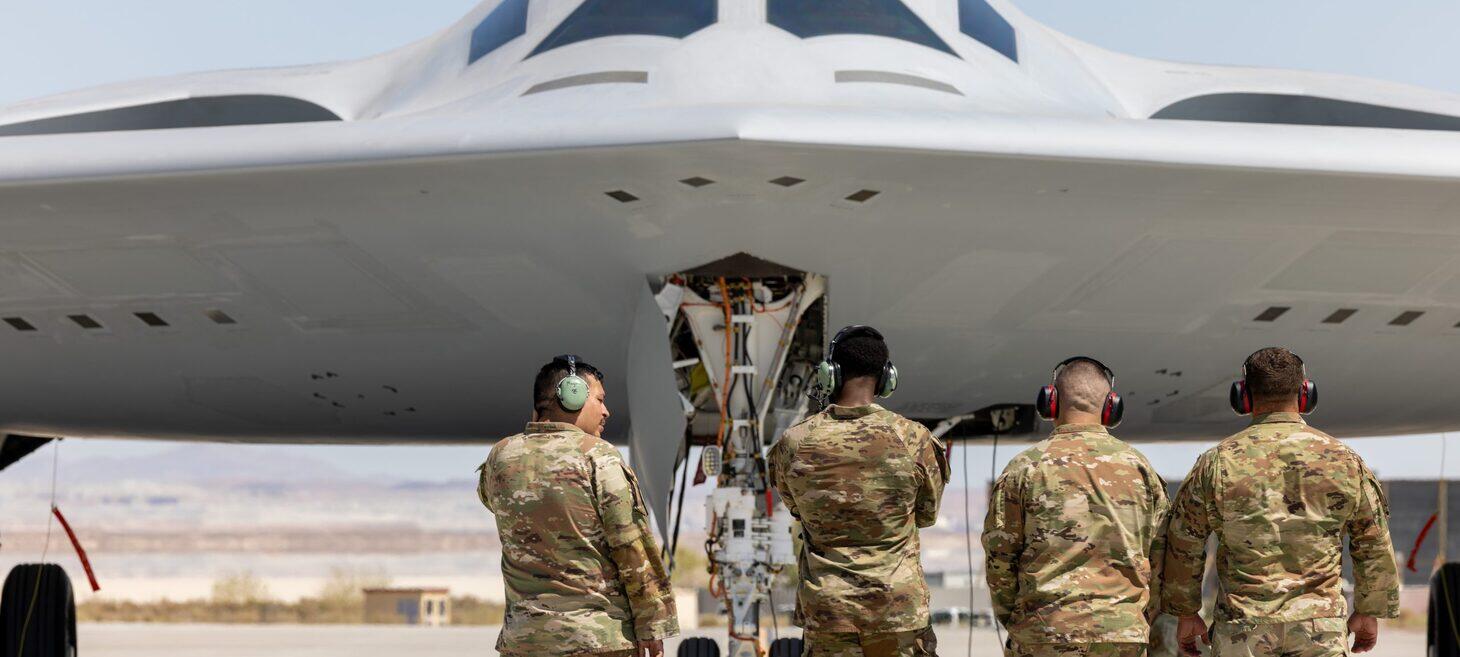
Air Force to Train Weapon System Officers to Fly B-21s
The Air Force has officially decided the B-21 Raider will fly with a two-pilot air crew—and some of those pilots will be former weapon system and combat systems officers.
The Air Force is establishing a transition program for WSOs and CSOs to become pilots and take follow-on assignments flying the new bomber.
airandspaceforces.com
Pentagon Awards $86M for Laser Weapons to Defeat Drone Swarms
The Pentagon is betting that containerized lasers can break the drone swarm’s economics, survive the weather, and avoid becoming another expensive test-range ghost.
sofrep.com
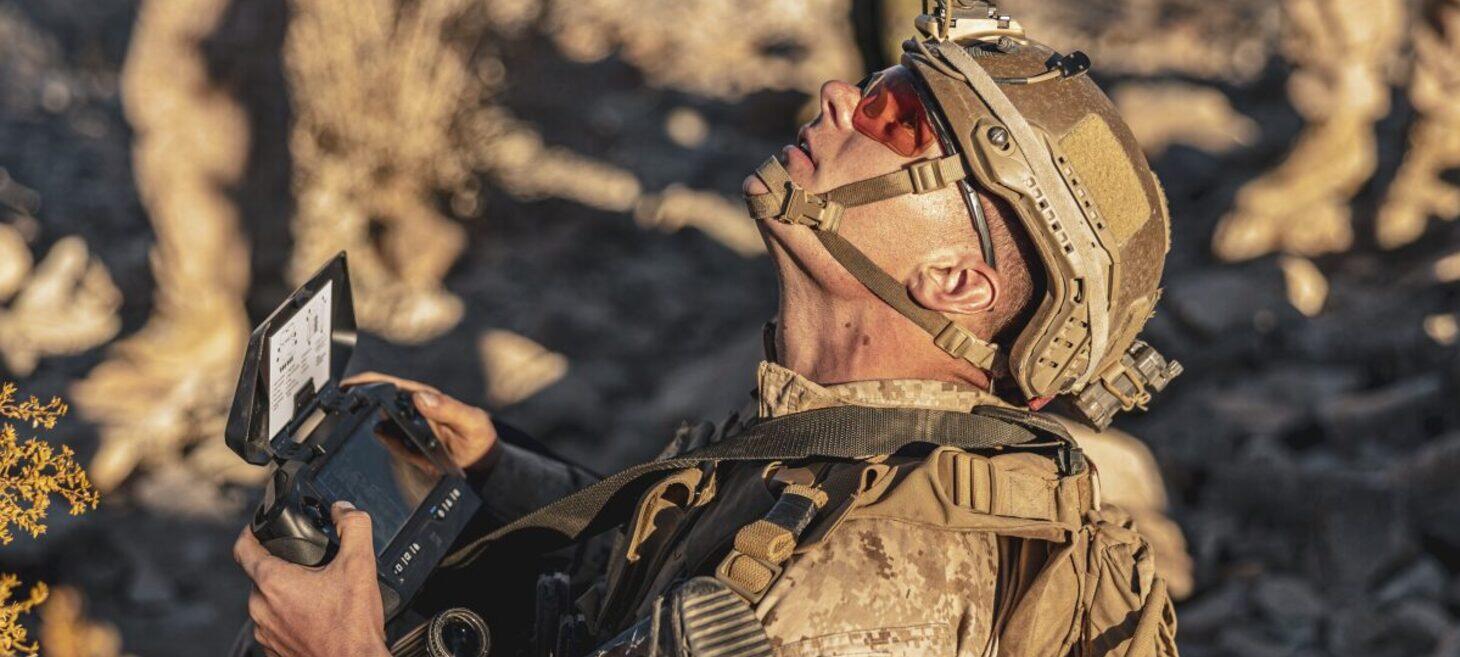
Two new Marine units will prepare grunts for drone warfare
The new units, based in Quantico, Virginia, and Twentynine Palms, California, will experiment with new technologies and develop training for deploying Marines.
taskandpurpose.com
POLICY

'Shifting gears away from being just a policy shop': Q&A with the Pentagon CIO
Kirsten Davies said her office is adding focus on cybersecurity and the warfighter.
defenseone.com
EUROPE

Helsing is now Europe’s biggest defence tech startup, raising $1.8B at an $18B valuation
The funding will go to boosting R&D in AI technology and filling out big contracts.
resiliencemedia.co