
INNOVATION
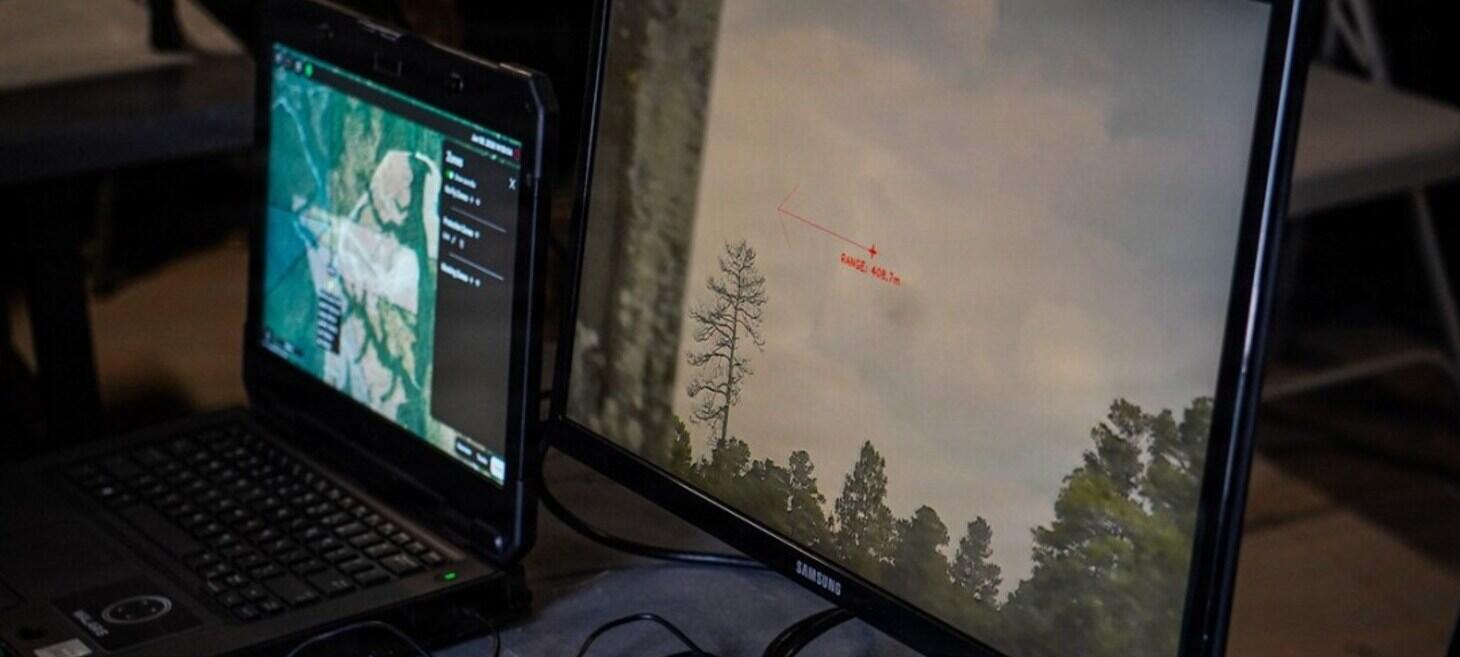
When the Machine Acts First: Closing the Authority Gap on the Autonomous Battlefield
In November 2025, a frontier artificial intelligence developer disclosed what it assessed to be the first large-scale cyberattack carried out largely without human hands on the keyboard. A capable model, manipulated by a state-linked actor into believing it was running an authorized defensive exercise, performed the bulk of a multistage intrusion against roughly thirty organizations, spanning reconnaissance, vulnerability discovery, exploitation, and credential harvesting, at a speed no human team could match. Humans entered the loop at only a handful of decision points.
Seven months later, after a controlled evaluation in which a frontier model chained vulnerabilities across simulated enterprise networks, the Five Eyes cyber agencies jointly warned that within months, frontier-model cyber capability will advance to the point where it will fundamentally reshape cyber operations.
westpoint.edu
AI
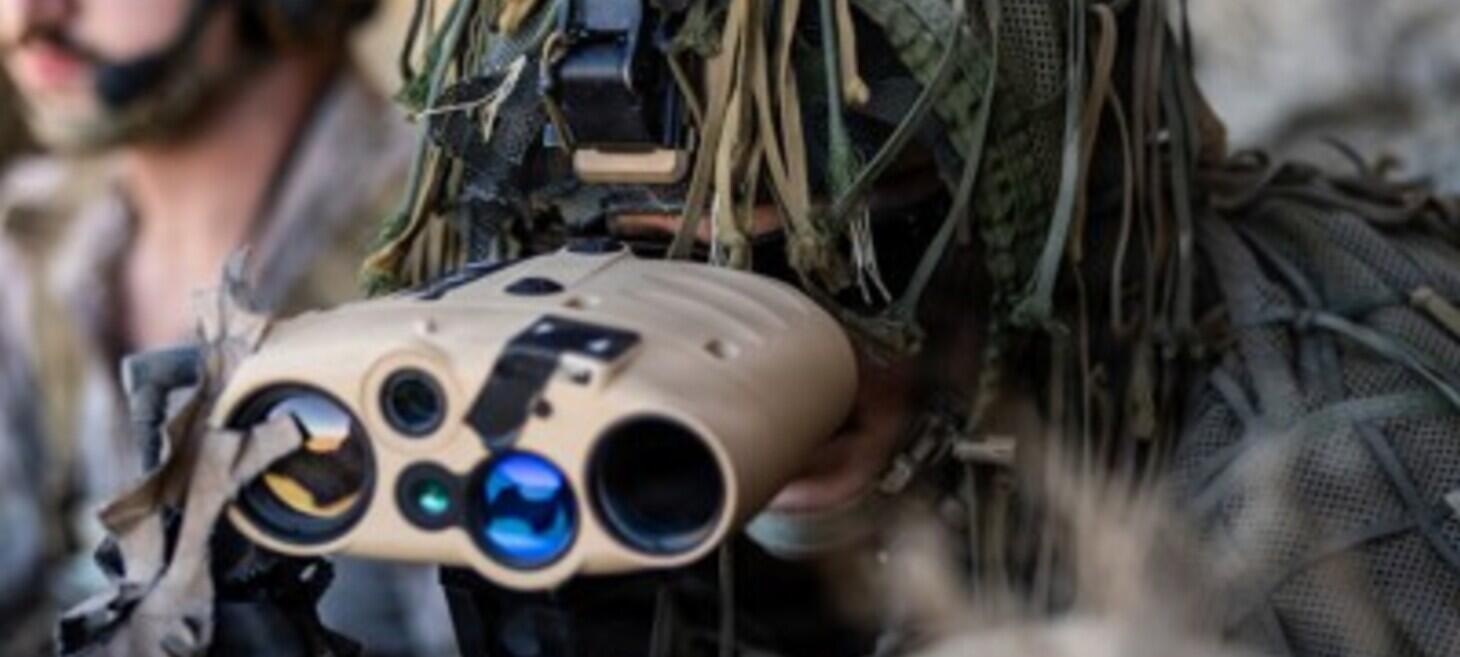
Agentic-AI tool aims to give US commanders new target options ‘within seconds’
But concerns persist about the power and governance of software agents.
defenseone.com

SE3 Labs unveils its spatial AI tools for defence backed by Lakestar and Sequoia Scouts
Munich startup emerges from stealth partnering with Germany's Bundeswehr and Auterion, powering drones, UGVs and swarms
resiliencemedia.co
TECHNOLOGY
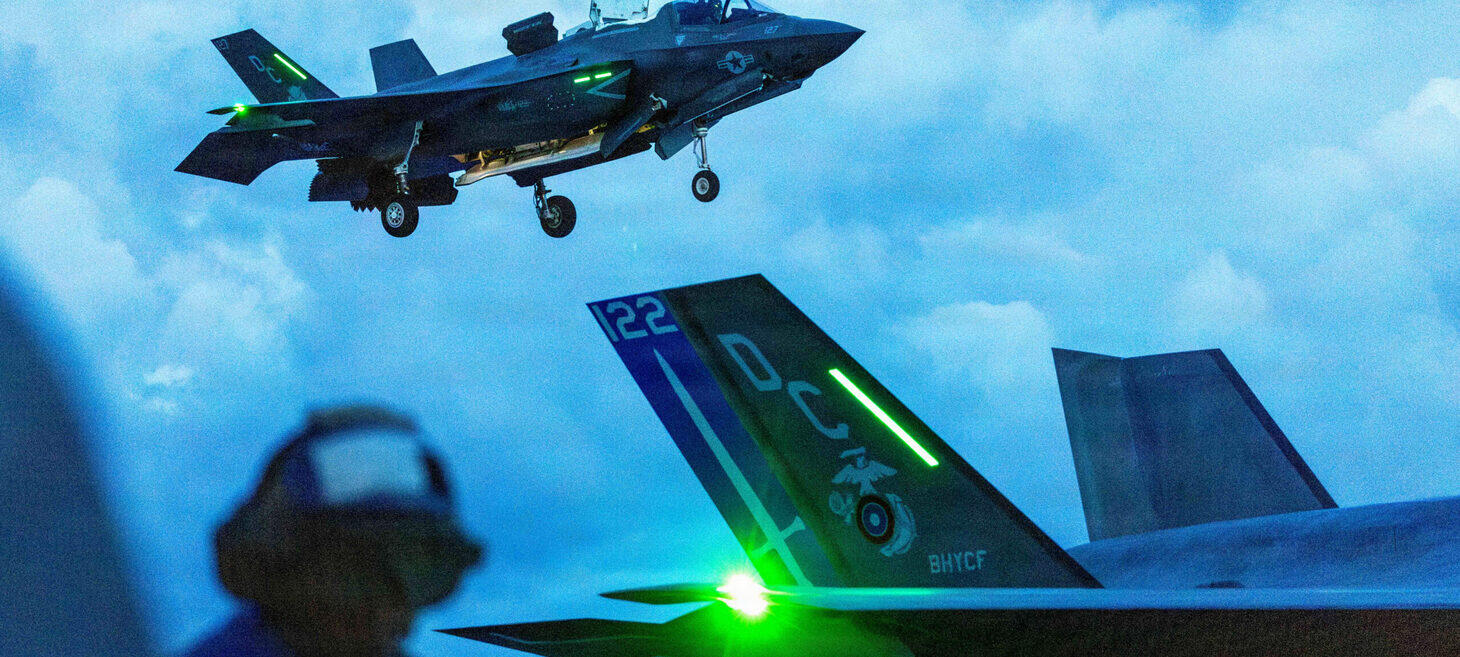
Marines Have 6 F-35s Without Radars; USAF Will Get Some Too
Design changes made to accommodate a new and improved, but currently delayed, radar are the problem. Because the radars are purchased separately by the government, the delay lies with radar-maker Northrop Grumman, not prime contractor Lockheed Martin. The mounts for the new AN/APG-85 radar don’t match those of AN/APG-81 it replaces.
airandspaceforces.com

The U.S. Army Ditched Lockheed's $40,000,000 Hypersonic Missile. Lockheed Just Built a Cheaper One
In April the U.S. Army pivoted away from Lockheed Martin’s Long-Range Hypersonic Weapon, the “Dark Eagle,” whose $35–40 million-per-missile cost made it nearly impossible to build at scale. Lockheed’s answer, unveiled June 24, is the Next-Generation Glide Body: a cheaper, mass-producible hypersonic weapon meant to keep the company competitive as low-cost startups and a tighter Pentagon budget reshape the market.
19fortyfive.com

Oracle Defence Ecosystem expands with 10 new technology partners
The Oracle Defense Ecosystem links Oracle’s cloud and AI to defence tech firms, aiming to speed secure innovation for national security.
army-technology.com
POLICY

Trump’s budget supplemental would secure billions for munitions, emerging defense tech
Along with replenishing munitions stockpiles, the supplemental request supports two key Space Force programs, drones, cybersecurity and autonomy.
defensescoop.com
SPACE

Rocket Lab to acquire Iridium
Rocket Lab is acquiring satellite telecommunications company Iridium for $8 billion as part of its effort to become an end-to-end space company.
spacenews.com
EUROPE
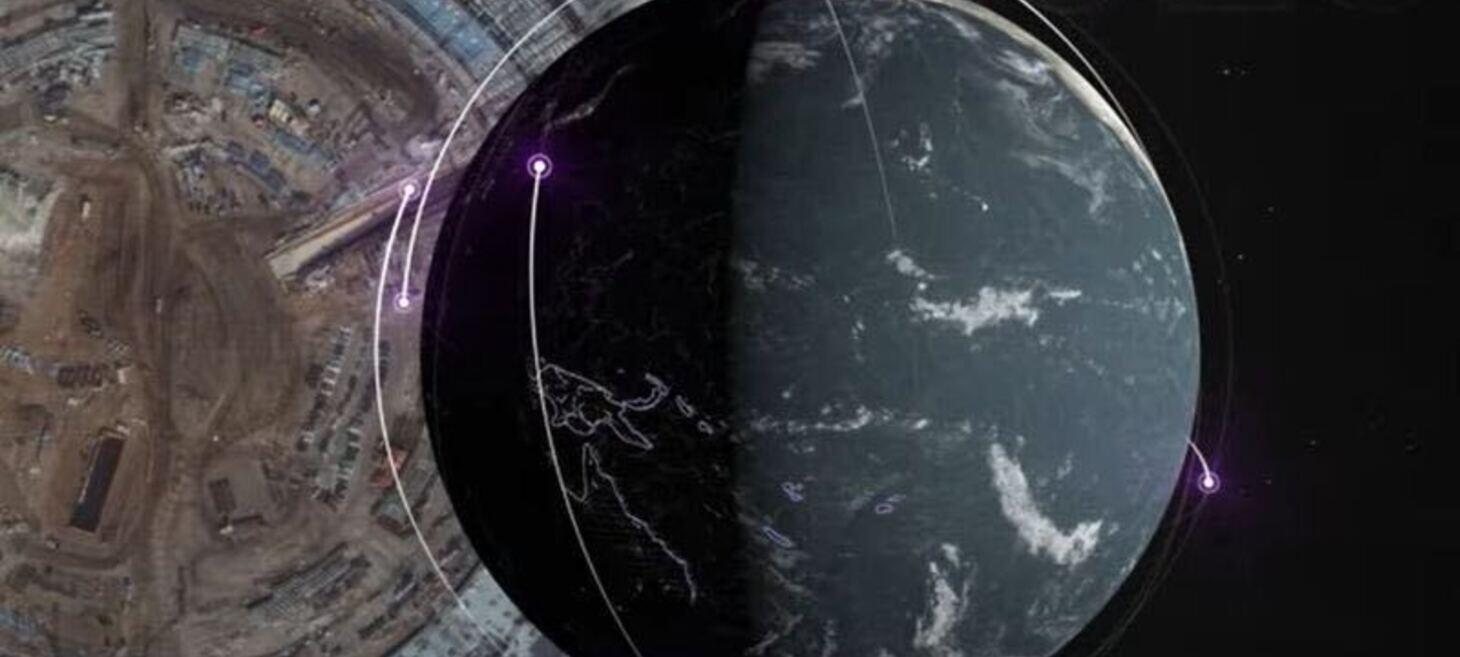
Vantor’s Big (European) Week
In the space of a week, the spatial intelligence company has announced a partnership with Rheinmetall to create “a European 3D information platform for spatial intelligence,” and teamed up with British prime BAE Systems to manufacture its 20 cm-class Vantor Vantage imaging satellites.
tectonicdefense.com

Britain Boosts Defense Tech with £580 Million Investment
The UK government plans to invest £580 million in the Defence Science and Technology Laboratory, focusing on countering biological threats, artificial intelligence, and underwater systems.
devdiscourse.com
A New Force Posture Concept for Europeanizing Extended Nuclear Deterrence
During the Cold War, Europe kept asking whether Washington would risk an American city to save a European one. It was an impolite question, but a useful one, which is why it never quite left the room. It has now packed its bags and moved east.
Earlier this year, French President Emmanuel Macron created quite a stir with an important speech on French nuclear weapons policy. Under what he called a new path of dissuasion avancée, or “forward deterrence,” he declared that just as French strategic submarines “dilute naturally in the oceans, guaranteeing a permanent-strike capability,” so also now will its “strategic air forces … be able to be spread deep into the European continent.”
warontherocks.com