INNOVATION
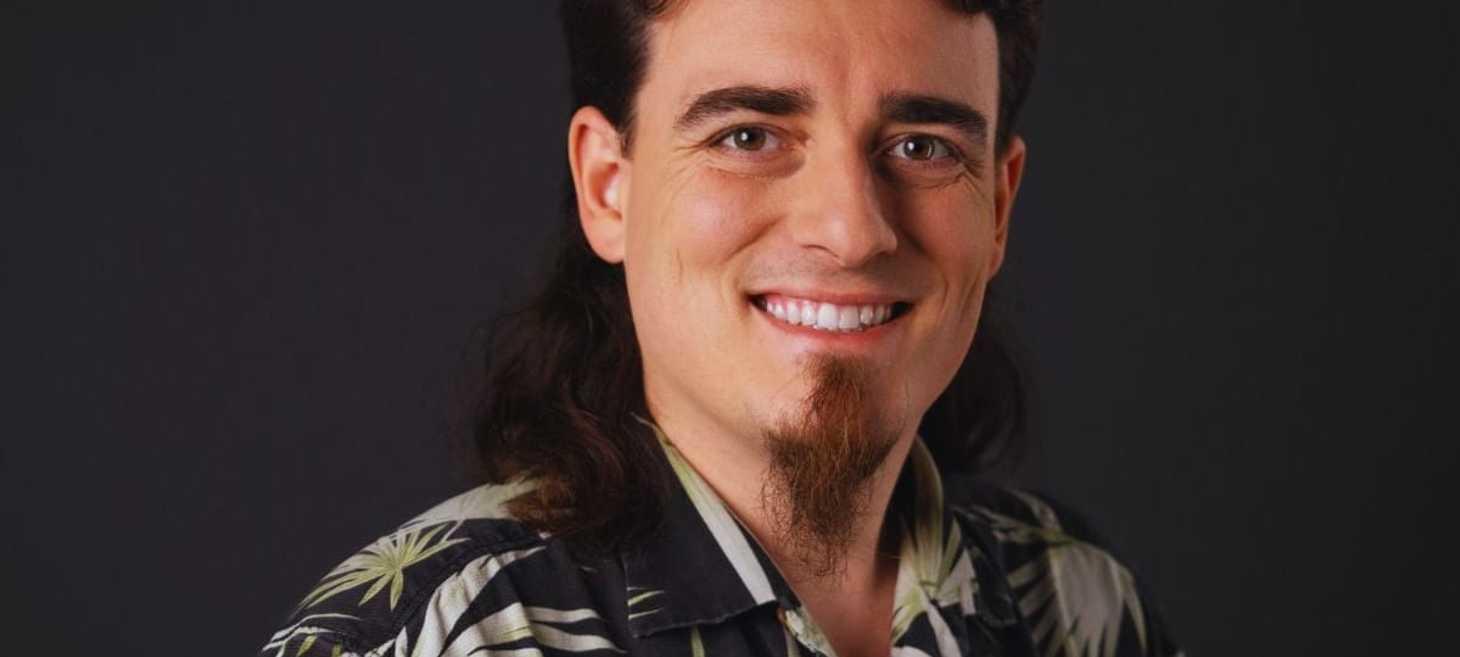
Palmer Luckey: From Oculus Founder to Anduril Defense Tech Leader
No other tech founder has had a career trajectory quite like Palmer Luckey’s. He first made his fortune in virtual reality, helping transform VR from a niche curiosity into a mainstream technology. But after Facebook bought his company, Oculus VR, for approximately $2 billion — and later pushed him out amid controversy surrounding his political views — Luckey has turned his attention to an entirely different arena: defense.
builtin.com
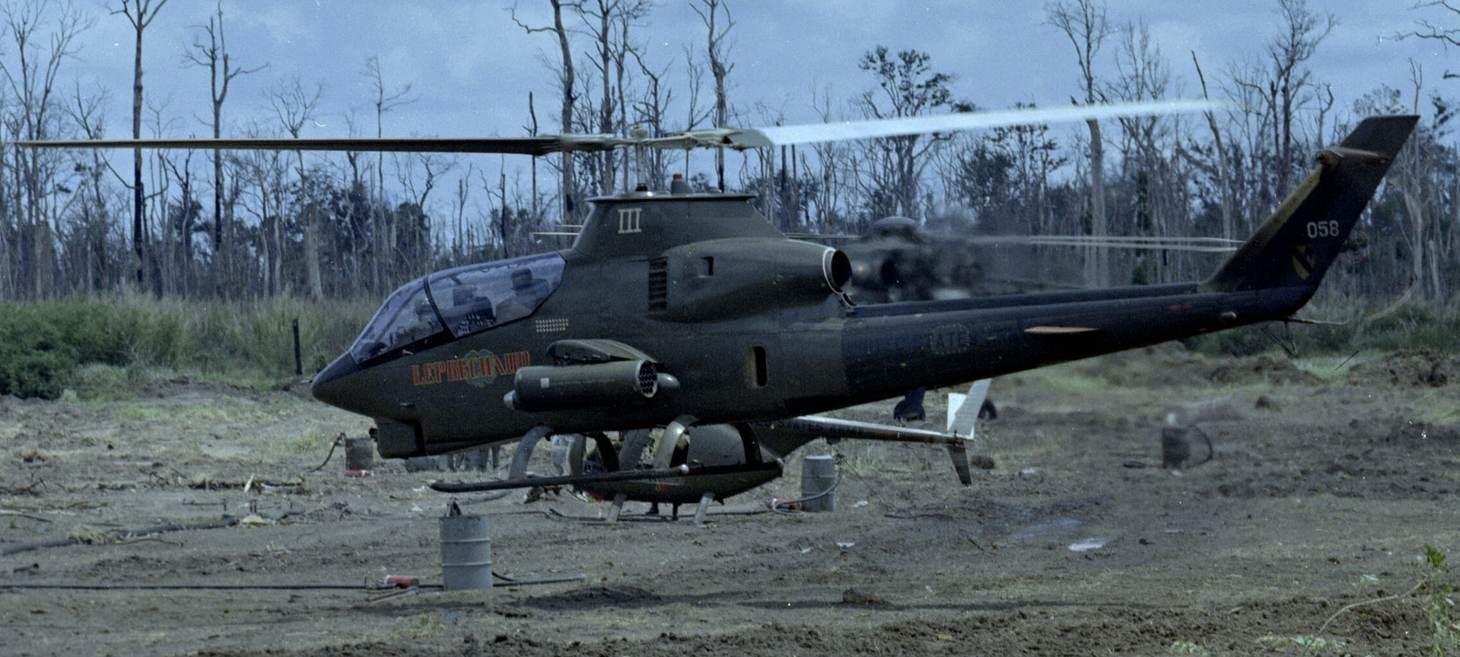
Unleashing a Deadly Snake: The Birth of the AH-1 Cobra
As the conflict in Vietnam raged, the UH-1 Huey was modified into a gunship, but the ubiquitous helicopter was slow and underpowered at times, thus prompting the need for a dedicated attack aircraft.
theaviationist.com

Defense Tech Revolution Demands New Alliance Strategies, Stanford Conference Hears
The next-gen battlefield is already here, emphasized policymakers and defense leaders at a Japan Program conference on the implications of critical AI, cyber, and space technologies for the alliance network in the Asia-Pacific region. Panelists warned that future conflicts will be shaped as much by data, supply chains, and autonomous systems as by conventional military power.
stanford.edu
AI

Synthetic Biology, Drones, and AI: The Risks of Dual-Use Technologies
Is it too late to stop criminals and American adversaries from exploiting AI to conduct cyberattacks or design novel pathogens? Has regulation kept pace with the threat civilian drones pose to critical infrastructure? AI researcher Lennart Heim, Army drone strategist Paul Lushenko, and CEO of Sentinel Bio Claire Qureshi join Jonathan to discuss the trade-offs between protecting the public and letting the private sector forge ahead. The conversation gets into synthetic DNA, the risk of drones at the FIFA World Cup, and whether the U.S. government should get early access to Silicon Valley’s newest large language models.
warontherocks.com
Airis Labs exits stealth with $60M to turn field video into defense intelligence
AI defense startup will use the funding to expand US operations, grow its team and develop a platform that helps governments turn unstructured video and imagery into searchable intelligence
ynetnews.com
TECHNOLOGY
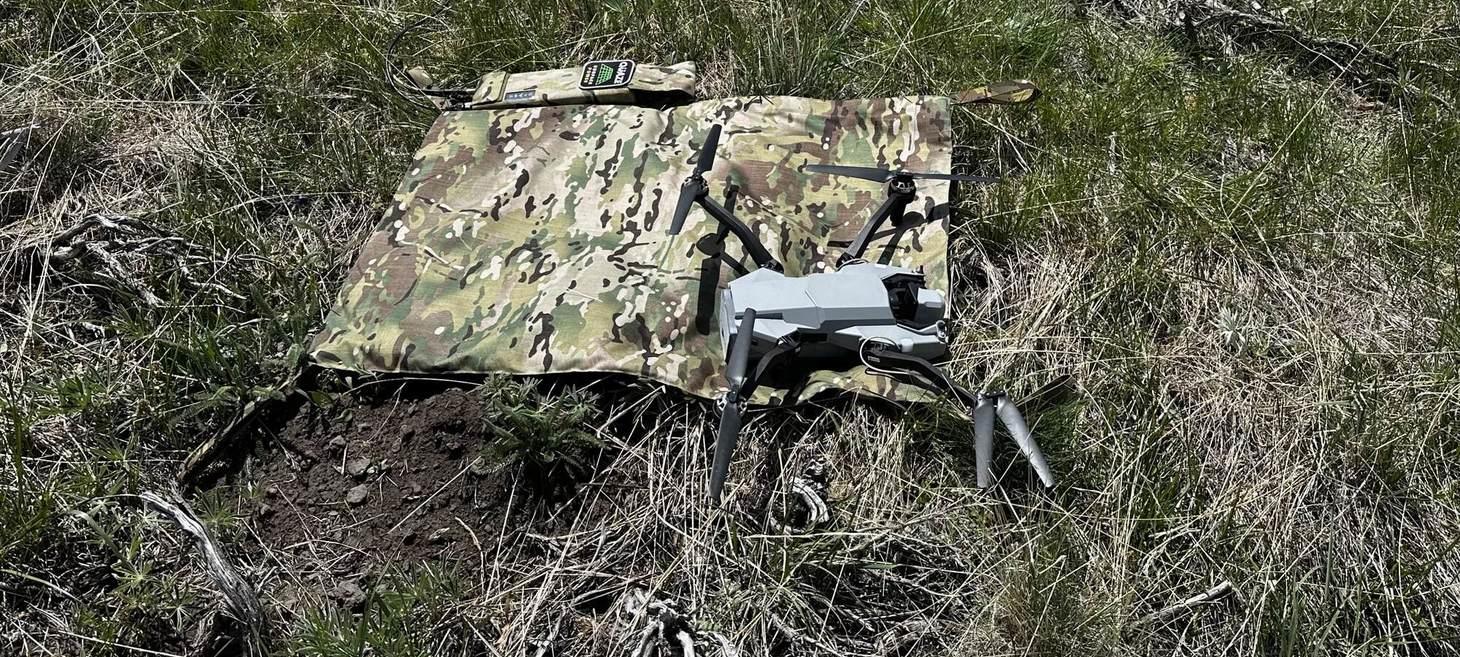
Quaze deal gives Red Cat wireless power for drones and robots
Red Cat Holdings has acquired Québec-based Quaze Technologies, adding wireless charging capability to its growing portfolio of autonomous systems. The companies will target one of the biggest limitations in UAVs: keeping drones and uncrewed robots powered in the field without human intervention.
resiliencemedia.co
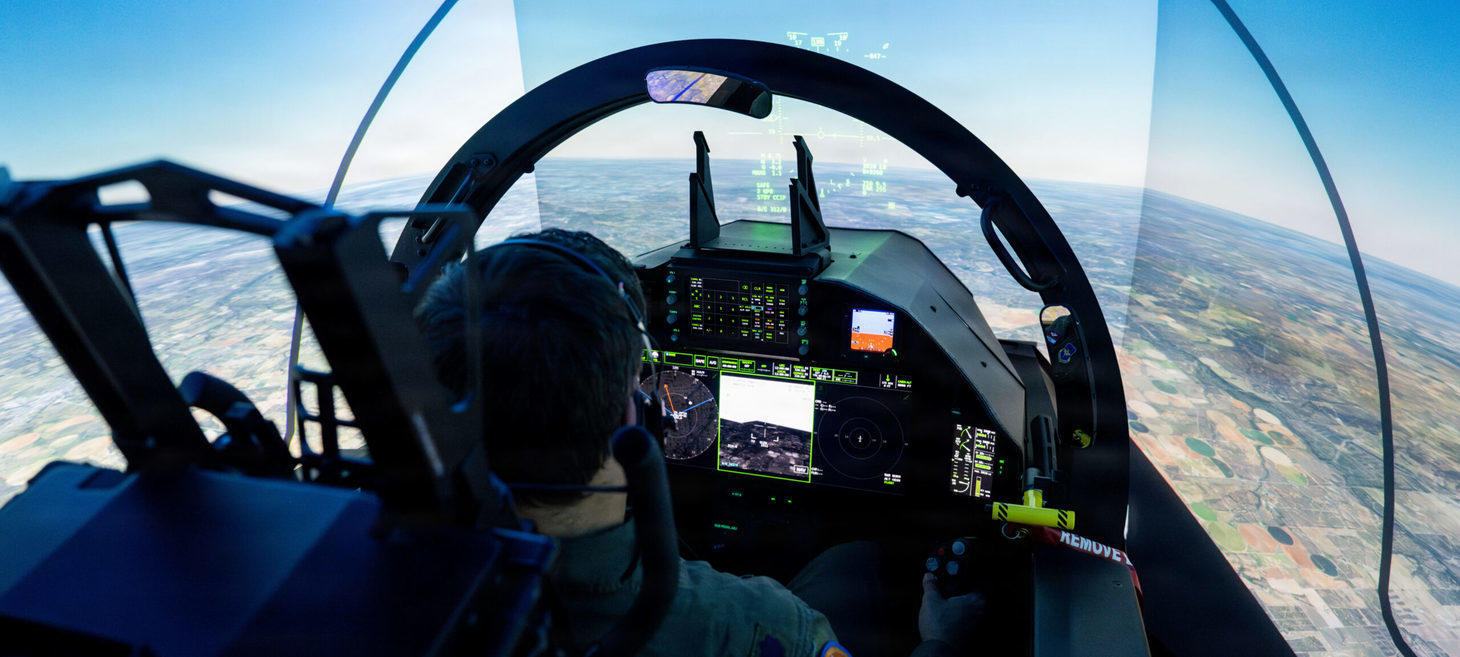
T-7 Simulator Blurs the Lines Between Live and Virtual Flying
When the first T-7A Red Hawk touched down here in late December, senior leaders celebrated a major step forward in the future of Air Force pilot training. Sleek, and eye-catching with their red tails, the first two jets look the part.
airandspaceforces.com
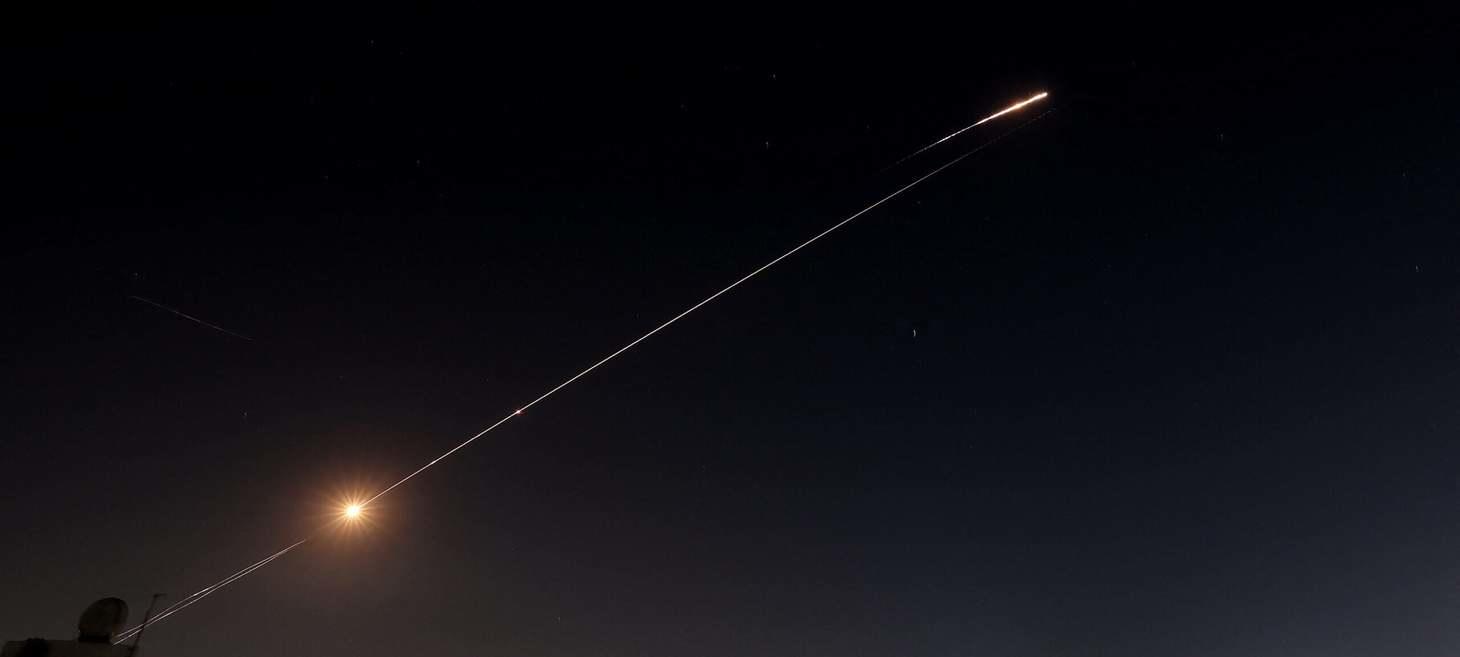
After Iran attacks, Turkish industry seeing increased Gulf interest in air defense platforms
Both companies expressed their readiness to transfer technology in line with mandates in Gulf states to localize defense production.
breakingdefense.com
POLICY

House Unveils $1.15 Trillion Defense Bill for Fiscal 2027
The House Armed Services Committee unveiled its $1.15 trillion fiscal year (FY) 2027 defense policy bill Tuesday, outlining priorities centered on defense industrial base expansion, military modernization, and technology initiatives focused on missile defense, artificial intelligence (AI), cybersecurity, and quantum computing.
meritalk.com
SPACE
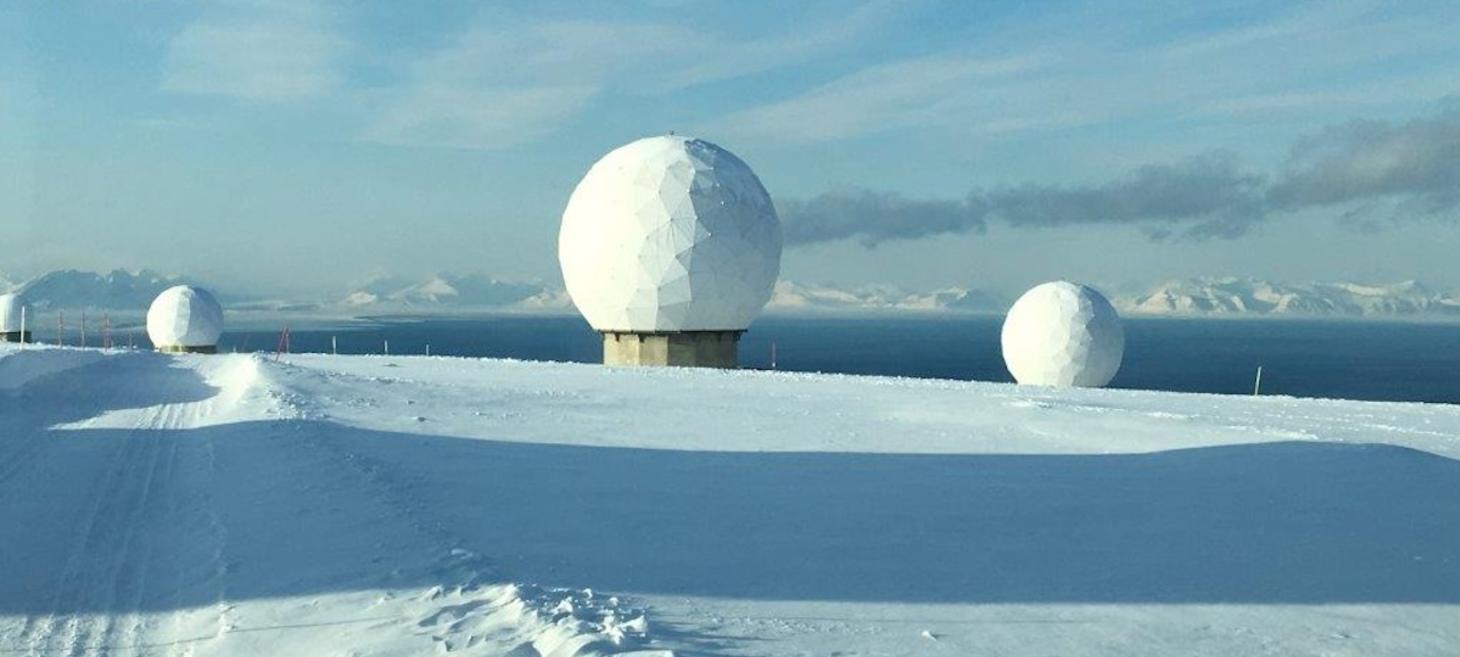
The Road to Space Runs through the Poles
Why are there more antennas on Svalbard than anywhere else on Earth? Svalbard of all places, where cats and childbirth are banned and there are more polar bears than people? This cluster of islands in the Arctic, one thousand kilometers from Norway, is key to everything from your weather forecast to your car’s navigation. At 78 degrees north, Svalbard is the highest-latitude satellite ground station on Earth and is a crucial point in humanity’s growing dependence on space. In fact, the polar regions — the Arctic and Antarctic — are both crucial to space access.
warontherocks.com
SECURITY
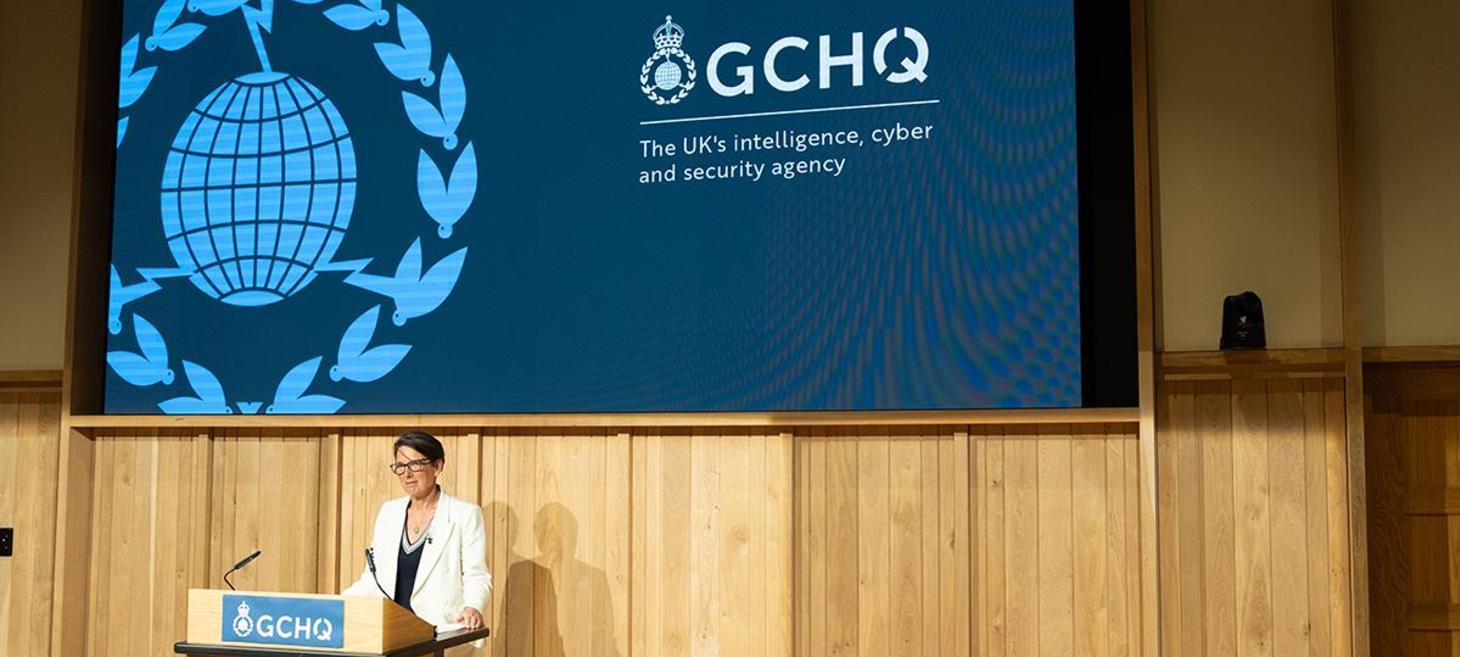
UK’s intelligence chief eyes Russia and China as the major cyberthreats of our time
While Russia continues its assault on Ukraine, it’s also developed an aggressive posture on the frontlines of a different war: the one playing out using technology in the “grey zone.” And China, a close ally to Russia, is coming fast around the corner as a threat in its own right, according to a speech delivered by one of the most senior people in British intelligence.
resiliencemedia.co