
INNOVATION
How Defense Technology Actually Gets Built
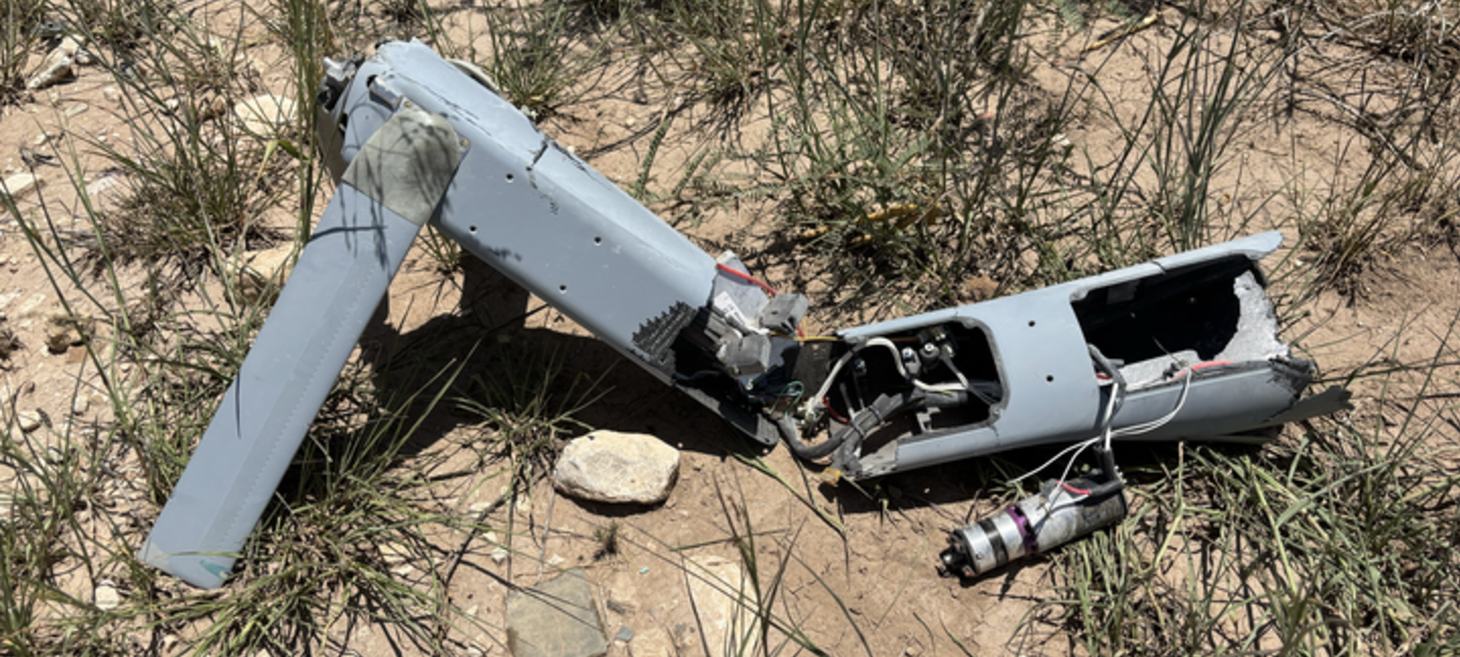
Over the past several months, a cluster of stories has surfaced that all follow a similar pattern. The Financial Times sought to portray Stark’s loitering munitions as a "disaster" after a few bad test events that represented a fraction of their overall testing.
The Wall Street Journal cited a rudder failure on an uncrewed surface vehicle in one test event as evidence that the Pentagon is "struggling to deploy AI weapons."
These and other articles seek to present a few narrow snapshots, stripped of all context and clearly sourced by the very competitors of the companies they seek to criticize, as evidence that new defense technology companies cannot deliver.
anduril.com

6 predictions for defence in 2026
Defence startups enter the venture mainstream, Europe’s elections meet the greyzone
resiliencemedia.co

Containing the Threat of Containerized Missiles
In any war over Taiwan, American commanders will face a problem that barely existed a decade ago: China can hide lethal military systems inside standard commercial shipping containers. These “containerized” missile launchers are modern renditions of an old U.S. Navy concept first marketed in the Russian Club-K and are now reportedly fielded in Chinese variants. They ride on the decks of merchant ships, blend into global commerce, and give Beijing the ability to forward-deploy precision weapons without visibly deploying a single warship.
warontherocks.com
2026 Look Ahead: Delivering the Future of Defense Tech
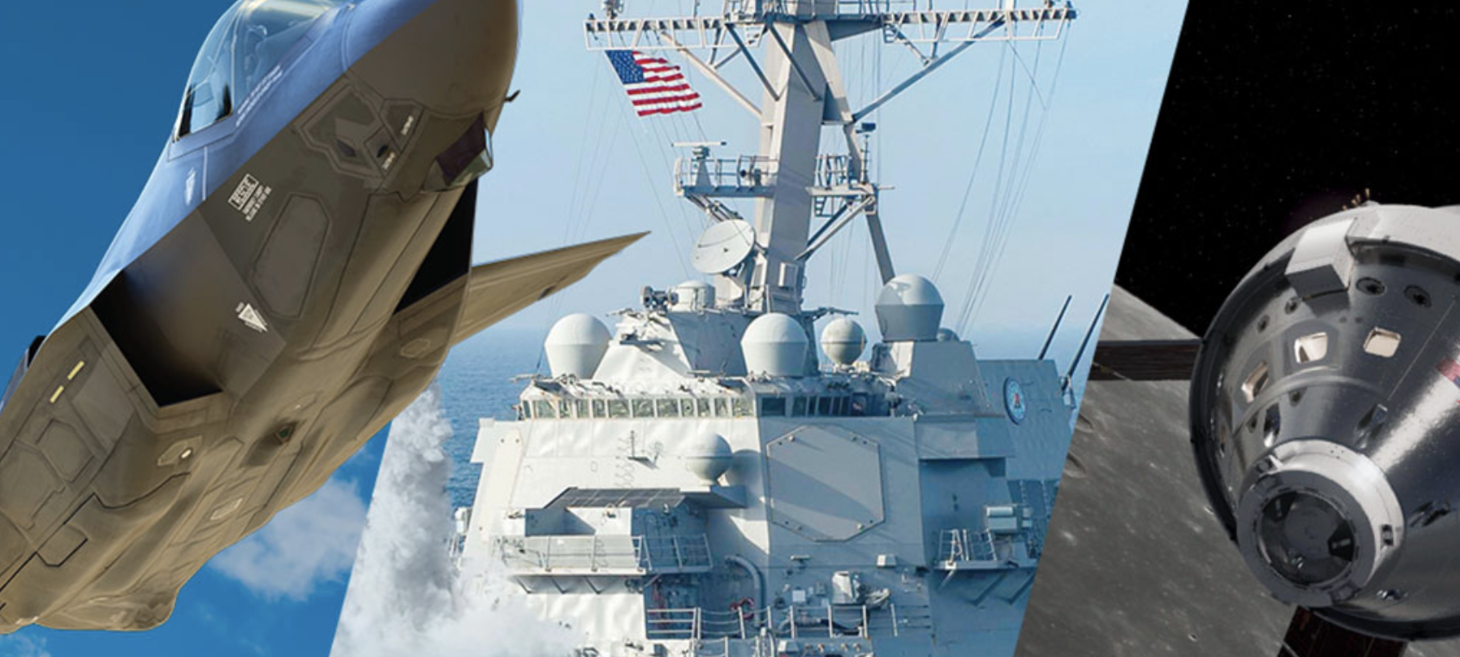
As we move into a new year, our focus stays clear: deliver with speed, scale and certainty so our customers remain ready now. At Lockheed Martin progress isn’t accidental; it’s driven by the quiet courage to imagine more, build more, and rise to every new challenge.
lockheedmartin.com
INVESTMENT

India's Digantara raises $50M for space-based missile defense tech
Digantara, an Indian space surveillance startup, has raised $50 million in a new funding round as it moves beyond space situational awareness into missile tracking, citing growing demand from governments for space-based defense capabilities.
techcrunch.com

Andreessen Horowitz raises $15 billion, doubling down on AI and defense startups
Andreessen Horowitz has raised more than $15 billion across five new funds less than two years after its last fundraising haul, the venture capital firm said on Friday, as large VC funds continue to attract capital to meet strong investor appetite for technology startups, amid the rapid adoption of artificial intelligence.
reuters.com

Satellite Company Astranis Raising Above $2 Billion in Defense Tech Frenzy
An increasingly technical space race with China has made satellites a hot investment category
newcomer.co
TECHNOLOGY

The digital defense depot: Moving IP from digital to physical
Today’s warfighters face the challenge of quickly getting essential supplies and parts where and when they are needed. Additive manufacturing, also known as 3D printing, in contested and battlefield environments offers a solution. But this solution comes with challenges related to securing intellectual property (IP) for critical technologies like weapon systems, and ensuring contractors are fairly compensated for the IP they own.
breakingdefense.com

The Bloch Quantum Advances to Final Stage of Department of Defense Tech Hubs Competition
The Bloch Quantum, a multi-state coalition led by the Chicago Quantum Exchange, has advanced to the second and final stage of the U.S. Economic Development Administration Tech Hubs awards competition. The proposal, which targets the Chicago metropolitan area spanning Illinois, Wisconsin, and Indiana, was one of only 11 selected from 19 applicants to move forward. A final announcement of the winners—who will receive significant implementation funding—is expected in the second quarter of 2026.
quantumcomputingreport.com
Northrop Teams Up with Kratos to Build the Marine Corps’ CCA
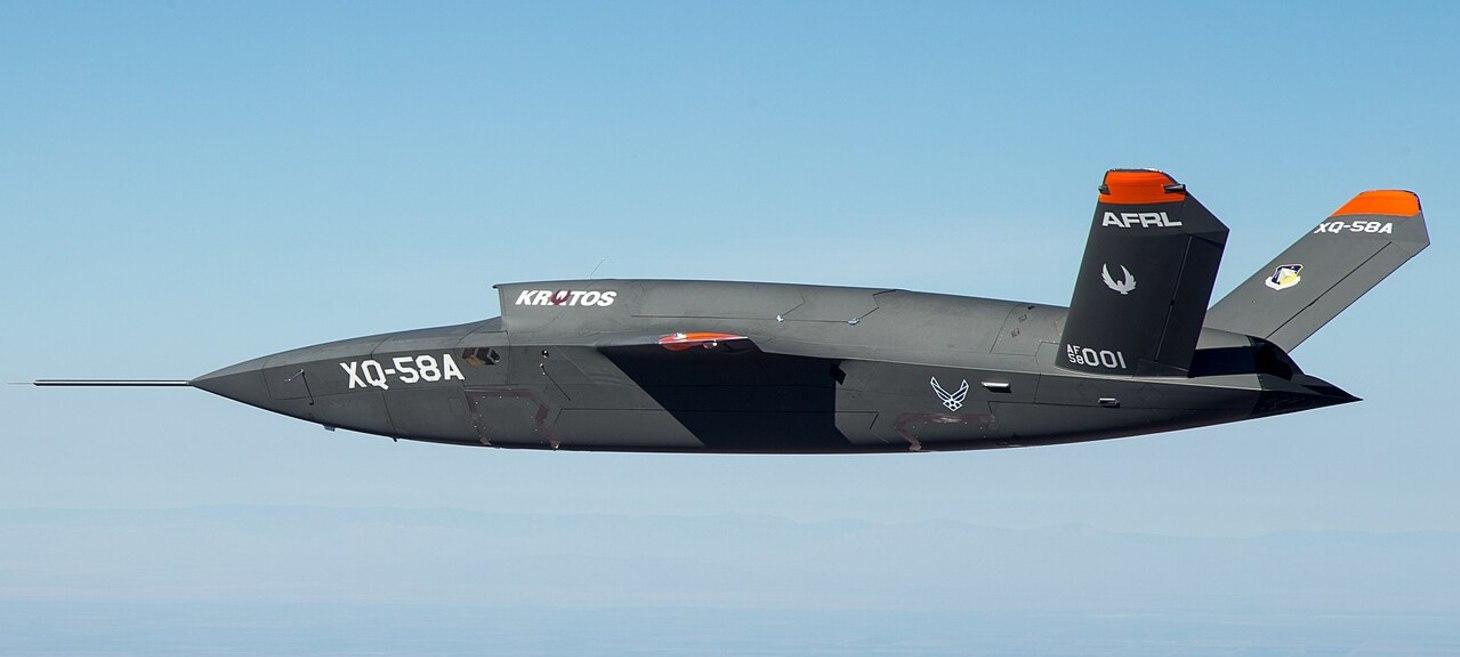
Just a few weeks after the Air Force called Northrop’s Talon drone a “strong contender” for the service’s CCA program (designating it as the YFQ-48A), the prime announced that it’s been awarded a contract to build the Marine Corps’ first drone wingman with Kratos.
tectonicdefense.com

Mach Industries Unveils Dart, a New Counter-Drone Interceptor
The counter-drone space may be busy as hell, but it seems that hasn’t deterred California-based Mach Industries.
tectonicdefense.com
ACQUISITION

Portsmouth defense tech company Vatn Systems acquires Crewless Marine
Deal brings underwater acoustic sensing expertise in-house as autonomous vehicles reshape naval operations
whatsupnewp.com
Magnet Defense acquires tech firm in defense autonomy push
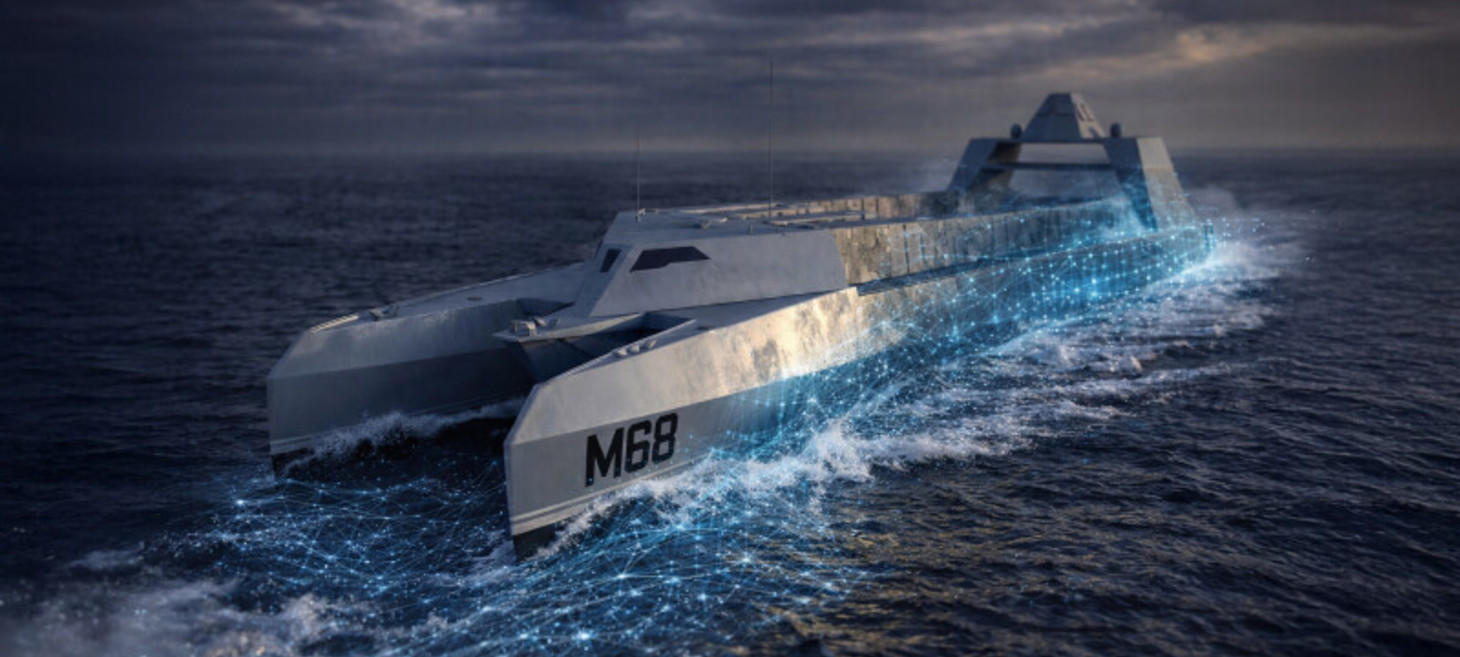
Magnet Defense is a developer of fully autonomous national security maritime platforms for fleet operations and missile defense missions. The company said in a press release that the acquisition will enhance its autonomy offerings by integrating ATG’s open-architecture artificial intelligence capabilities into its DefendAI battlespace management suite, which supports its AI-enabled autonomous maritime defense systems.
workboat.com
EUROPE

Finland’s DEFINE defence tech programme expands to six more cities
The government-backed, groundbreaking project aims to boost the ecosystem with accelerators and more scale
resiliencemedia.co
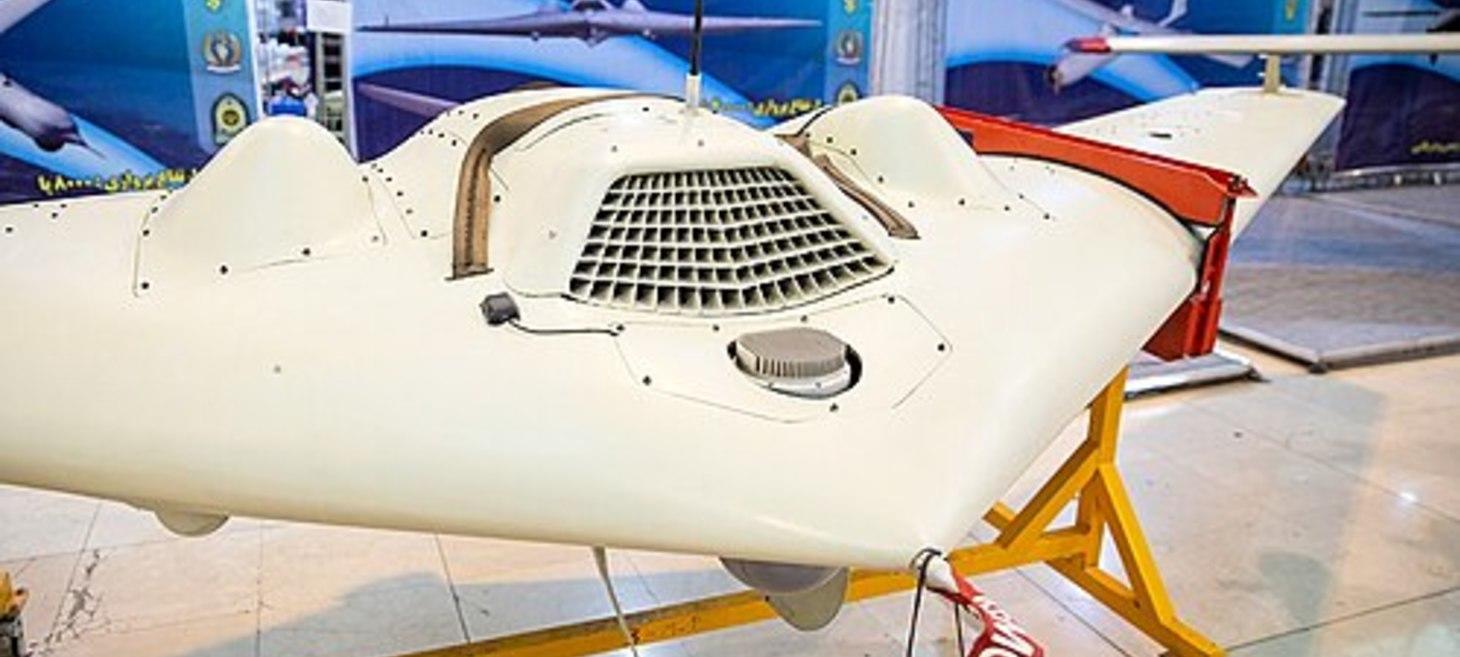
Babcock and Frankenburg will build a containerized launch system for anti-drone missiles
Babcock and Latvia based Frankenburg Technologies will work together on a low cost maritime counter drone system to protect ships, ports, and offshore assets against one way attack drones. The system is aimed at prevent Shahed drone strikes from reaching their target.
resiliencemedia.co
STARTUPS

The 7 top space and defense tech startups from Disrupt Startup Battlefield
Every year, TechCrunch’s Startup Battlefield pitch contest draws thousands of applicants. We whittle those applications down to the top 200 contenders, and of them, the top 20 compete on the big stage to become the winner, taking home the Startup Battlefield Cup and a cash prize of $100,000. But the remaining 180 startups all blew us away as well in their respective categories and compete in their own pitch competition.
techcrunch.com
SILLICON VALLEY

What Silicon Valley Gets Wrong About National Security
Today, prominent voices in the new defense tech ecosystem and their funders argue that the Clinton-era deregulation simply did not go far enough. They see the government as fundamentally risk averse, beholden to taxpayers, and hostile to new industry entrants. Palantir’s chief technology officer, Shyam Sankar, for example, holds the Last Supper responsible for “the decoupling of commercial innovation from defense.”
From the vantage point of these relative newcomers to the industry, the Defense Department’s byzantine processes, contract structures, and data requirements are shutting the door on a new generation of innovators.
They argue that the Defense Department should limit military specification requirements for new technology, reduce compliance requirements for new entrants, and even increase competition within the department by having program offices compete with each other.
foreignaffairs.com