
INNOVATION

University of Louisville to Run Pentagon Innovation Hub in Kentucky
Kentucky is set to play a larger role in the Pentagon’s tech pipeline after the Defense Innovation Unit (DIU) tapped the University of Louisville (UofL) to run the state’s new Defense Innovation OnRamp Hub.
The Defense Innovation OnRamp Hubs serve as DIU’s regional entry points for private-sector innovators who want to work with the Pentagon but often don’t know how to break in, according to a report by UofL News.
thedefensepost.com
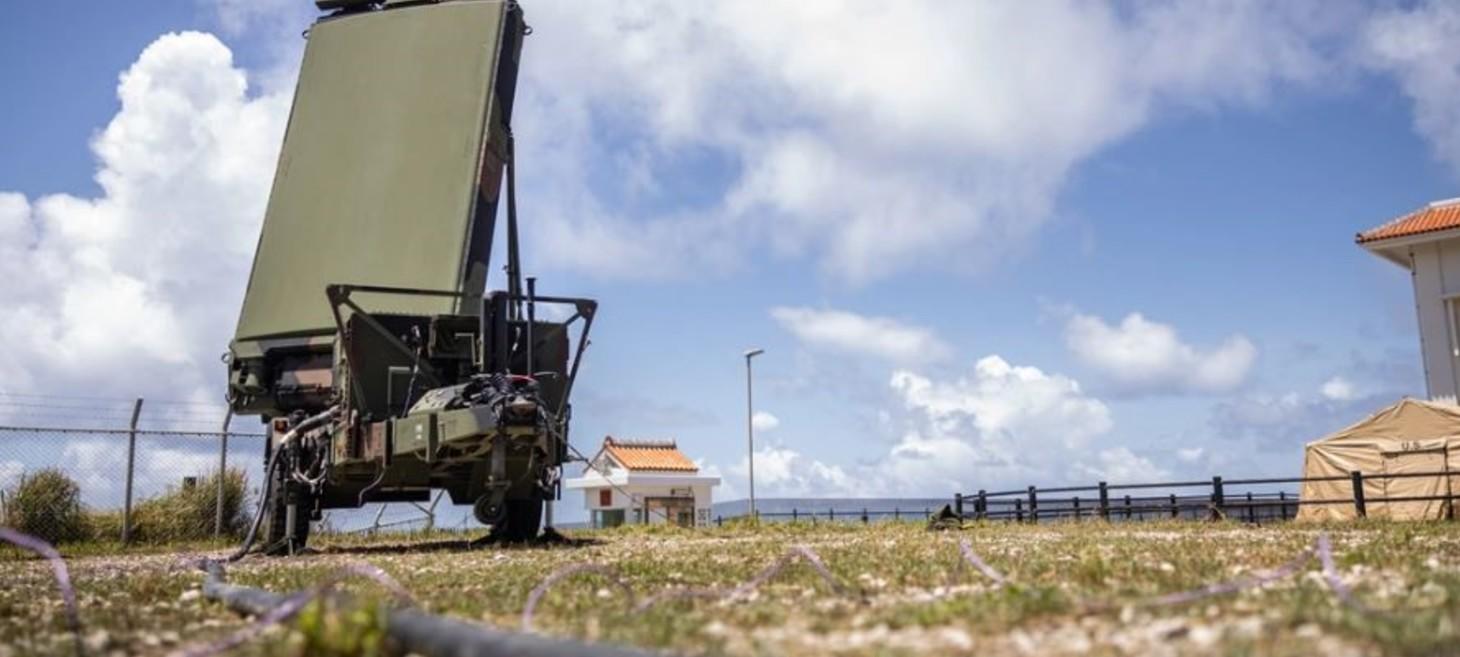
Chaos Industries’ $510 Million Surge Signals a New Era in Defense Tech
Chaos Industries is dragging defense technology into a new tempo where speed, warning seconds, and raw detection power decide who owns the sky.
sofrep.com

Inside the drone revolution: How war has changed and what that means for modern armies
The use of drones in warfare has ushered in a new wave of technology on the battlefield that is disrupting the expensive equipment of yesterday. It's adapt or die, writes Srdjan Kovacevic
resiliencemedia.co
INVESTMENT

Perpetual CIO is wary of defense tech valuations
Chief investment officer Christian Wiehenkamp questions whether the defense sector opportunity matches high investor demand, while outlining Perpetual's VC approach.
venturecapitaljournal.com

Defense tech has a new unicorn
Data-tech startup Govini cinched $150 million in growth capital, tipping the company’s valuation over the $1 billion mark.
defenseone.com
AI

Amazon Deploys AI Agent Teams for Cybersecurity Defense
Amazon's new AI system uses competing agent teams to find vulnerabilities faster.
techbuzz.ai
TECHNOLOGY

How the Army’s most tech-forward units are practicing for war
Inside a mud-splattered tent, the Army’s vice chief and the commander of the 25th Infantry Division watched on two giant TV screens as the division attempted to repel an enemy attack from the sea. Just outside, the service’s first launched-effects battery used an unmanned reconnaissance glider that arrived about a month before to provide a picture of the simulated assault, while the division’s new HIMARS rocket launchers shot down “enemy” drones.
defenseone.com
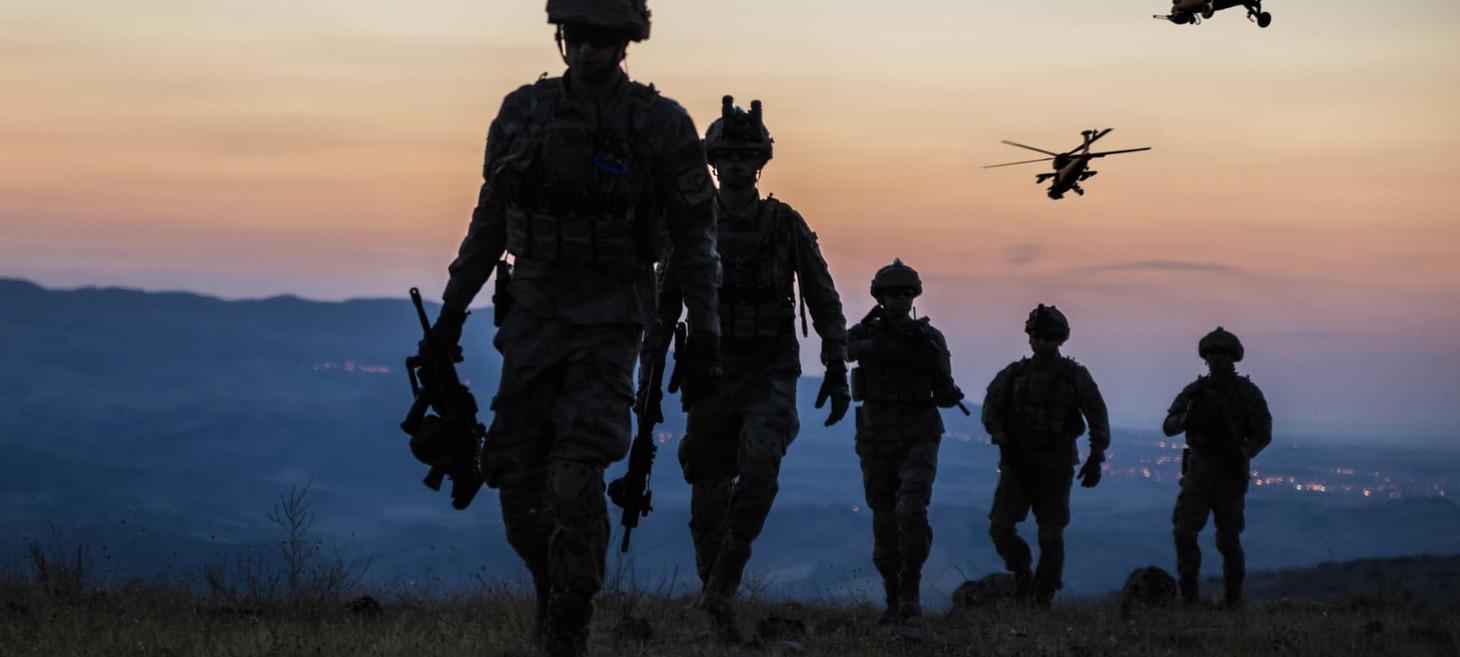
Silicon Valley’s defense tech startups are booming as war shifts
A wave of defense tech startups in Silicon Valley is drawing billions in funding and reshaping America’s national security.
Anduril Industries, recently valued at $30.5 billion following its latest funding round, is among the so-called “neoprimes” — companies challenging the dominance of legacy contractors, dubbed “primes,” such as Lockheed Martin, Northrop Grumman, Boeing, General Dynamics, and RTX (formerly Raytheon).
“There’s more money than ever going to what we call the ‘neoprimes’” Jameson Darby, co-founder and director of autonomy at investment syndicate MilVet Angels, or MVA, told CNBC. “It’s still a fraction of the overall budget, but the trend is all positive.”
cnbc.com

India, Israel sign new MOU on defense tech
"We view India as a first-rate strategic partner and are determined to continue deepening cooperation in the fields of defense, technology, and industry," an Israeli statement reads.
breakingdefense.com

Lasers and the Limits of Strategic Change
The relationship between technology and military strategy can be understood as a race—an international competition to develop superior arms. It is, however, either an odd kind of race or a category error.
A race, be it a 100-metre dash or a marathon, makes sense if one can win. If one cannot win, what sort of race is it? As such, is the relationship between strategy and technology, in ordinary language, best understood as a race?
Well, yes—but closer in kind to the race Alice encountered on the other side of the Looking-Glass. A world where things are reversed, where running helps one remain stationary. This is the world of strategy and technology, both in general and specifically here with high-energy lasers.
militarystrategymagazine.com
EUROPE

First close of the largest defense-tech VC fund in Europe
“We are not at war, but we are no longer at peace either.” This statement was made by Mark Rutte, Secretary-General of NATO, in early 2025. Months later, the phrase resurfaced, this time from Germany’s Chancellor Friedrich Merz.
This happens after 4 years of full-scale war in Ukraine, Russian drones repeatedly entering NATO airspace, including incidents along the Baltic Sea and near Poland’s eastern border, GPS jamming across the Baltic and Nordic regions, and more.
This year marks a shift toward collective action, as Europe addresses the increasing threats. The defense investment across the EU has surged: in 2024, the 27 member states spent about €343 billion, or roughly 1.9 % of GDP, and this is projected to reach approximately 2.1 % in 2025. Moreover, the European Defense Fund has allocated nearly €7.3 billion for 2021-2027 for research and development of defense capabilities.
therecursive.com
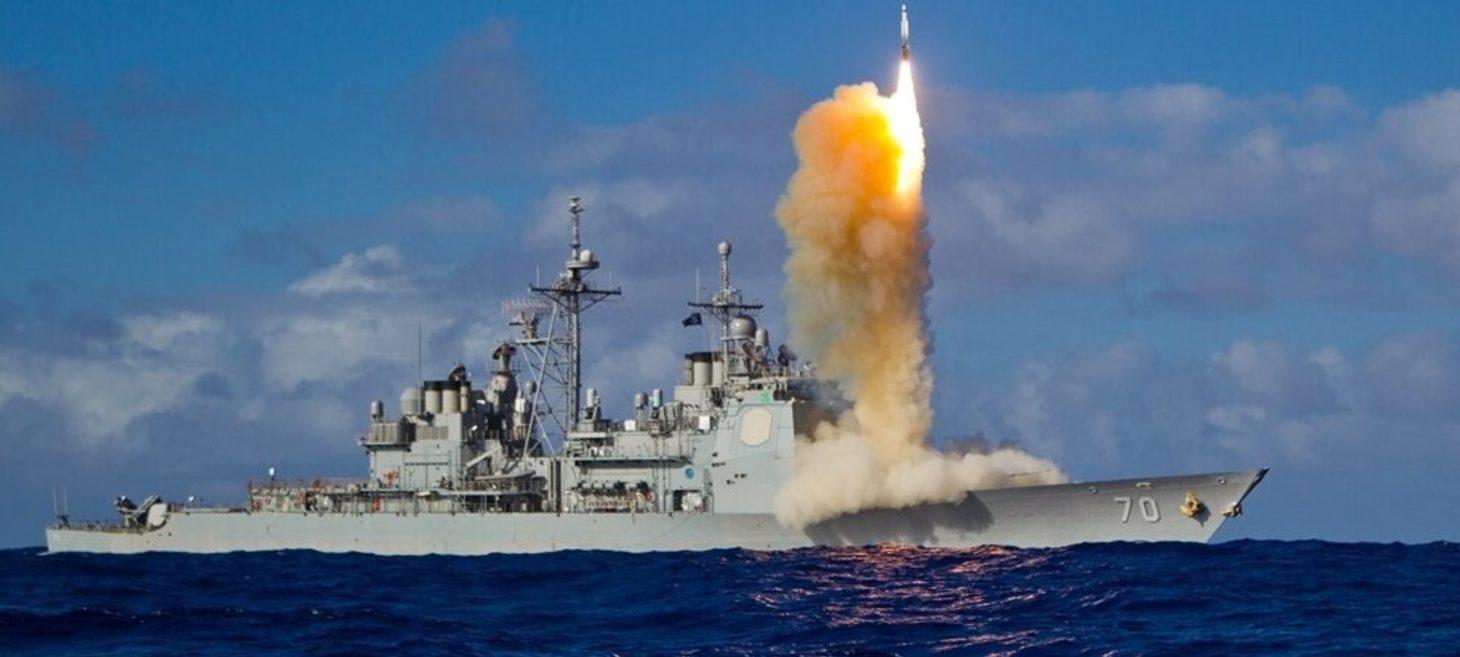
Lockheed, Germany’s Diehl team up to combine maritime air defense tech
A Lockheed Martin exec described the new partnership as a “win-win” for both companies and, the firms hope, navies around the world.
breakingdefense.com