INNOVATION
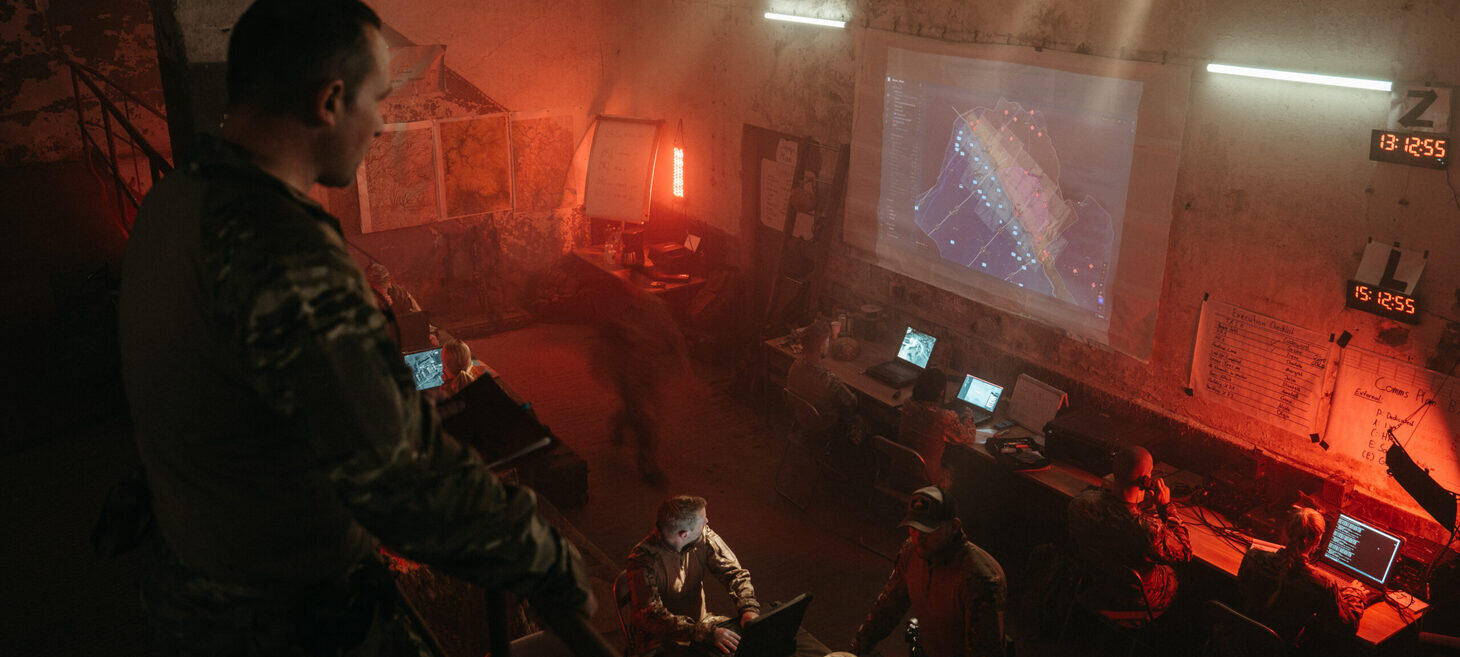
Helsing launches Clarity, a competitor to Palantir’s Maven
Palantir has Maven, Anduril has Lattice, and now Helsing has… Clarity. Today the $18 billion German defence tech giant best known for its drones and other unmanned systems unveiled a big new software play.
Clarity, as the product is called, is an intelligence platform that Helsing says will use military-customised AI agents — the autonomous AI bots that are built to execute complex commands and do some decision making on their own — to help armed forces customers process data and execute actions using systems in the field. Clarity, Helsing said, will help end users “identify threats and counter them faster and more reliably.”
resiliencemedia.co
AI

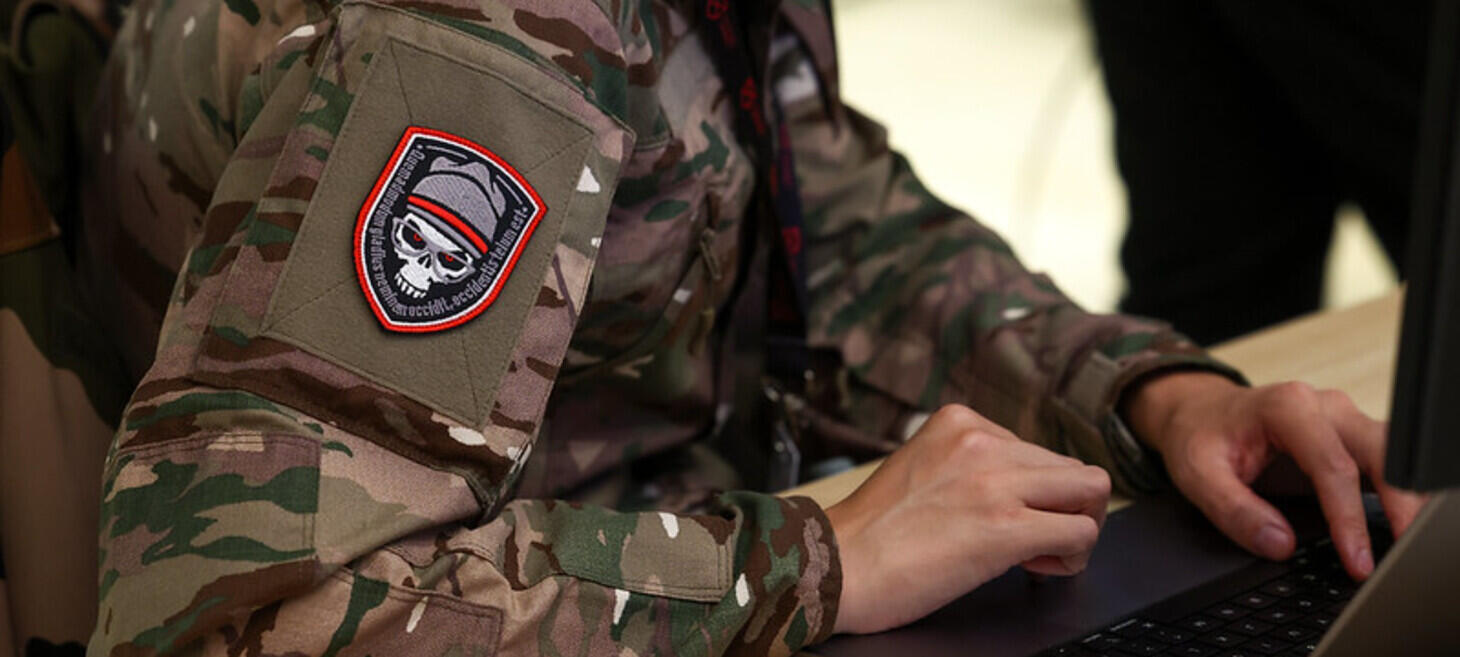
NATO's Crossed Swords Cyber Exercise Adds AI Agents to Training for First Time
Participants in Tallinn are building and deploying AI agents and using OpenAI’s Daybreak for the first time.
militaryai.ai
TECHNOLOGY
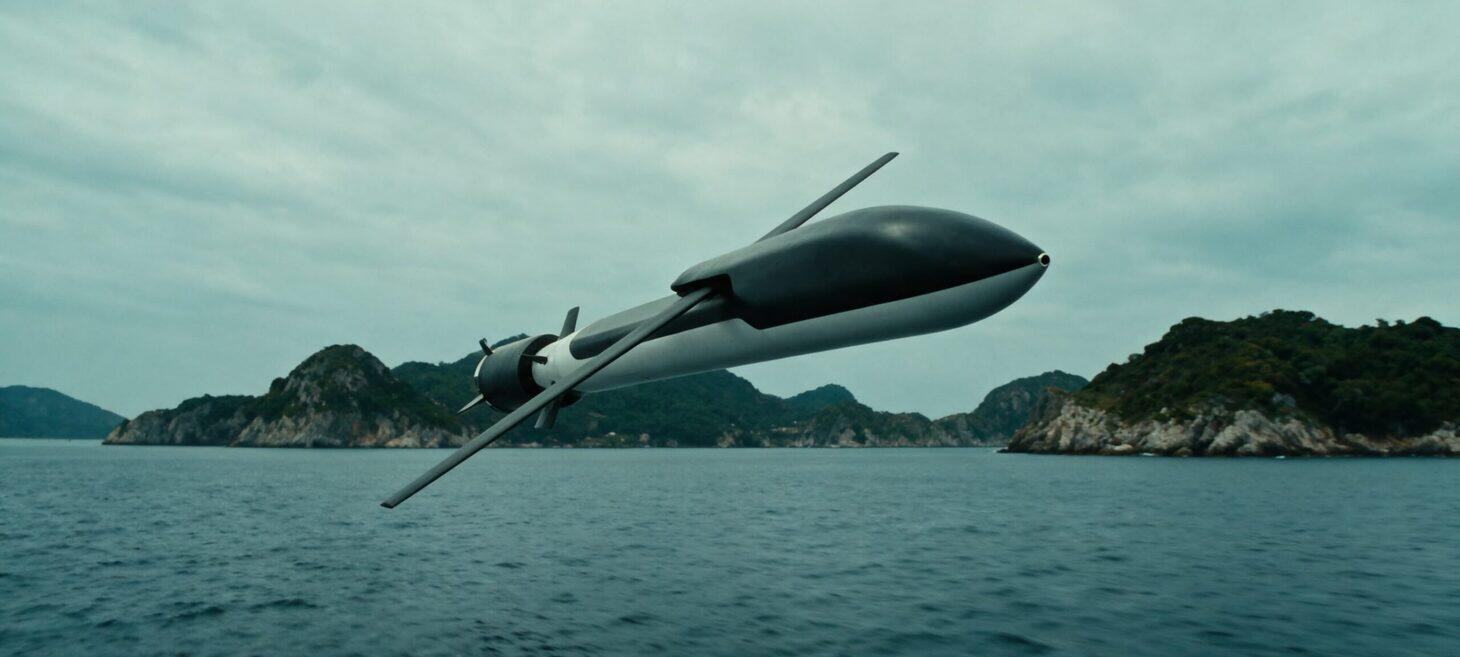
Israel’s Rafael unveils new, larger cruise missile dubbed Super Ice
Super Ice is comparable in size to the US-made Tomahawk missile.
breakingdefense.com
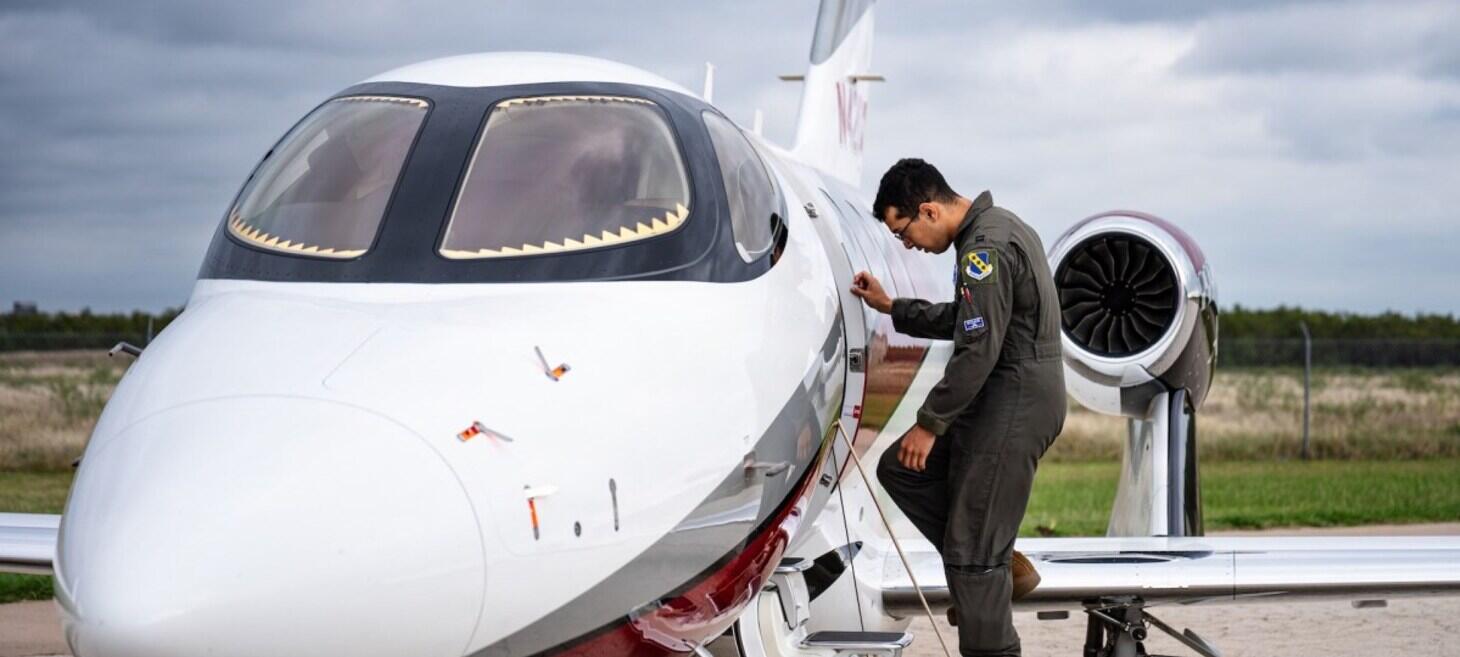
B-1B Lancer Pilots Are Now Training On HondaJets
Contractor-operated HondaJets will give B-1 pilots a major injection of yearly flight time at a tiny fraction of the cost.
twz.com

Raytheon’s New Approach to Military Signal Processing? Use Light
Raytheon’s photonic circuits use light to process military signals without converting them into electrical form.
nextgendefense.com
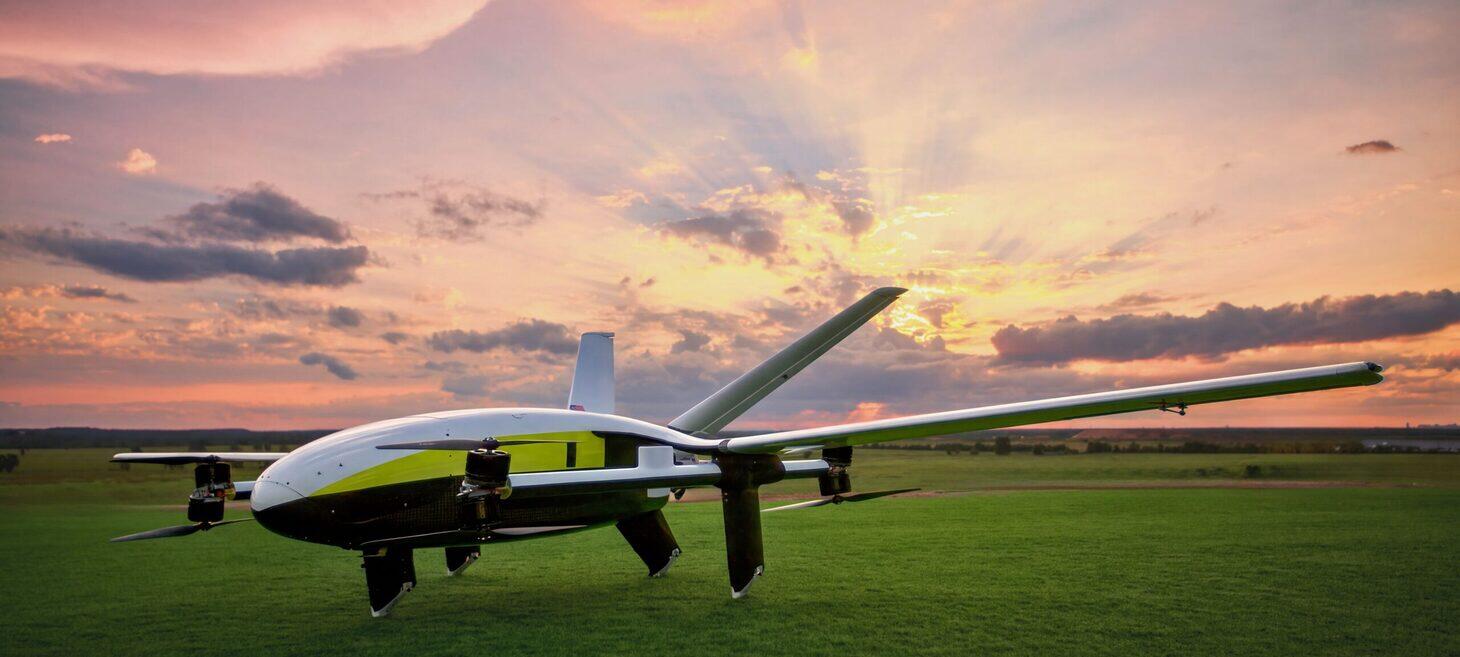
Skyways Unveils Skyreach for Autonomous Logistics
“Skyreach brings the range of a fixed-wing aircraft, the flexibility of a VTOL, and the versatility of a multi-mission platform into one aircraft,” Skyways CEO and Co-Founder Charles Acknin told Tectonic. “You are not going to find this on any other platform.”
tectonicdefense.com
DRONES
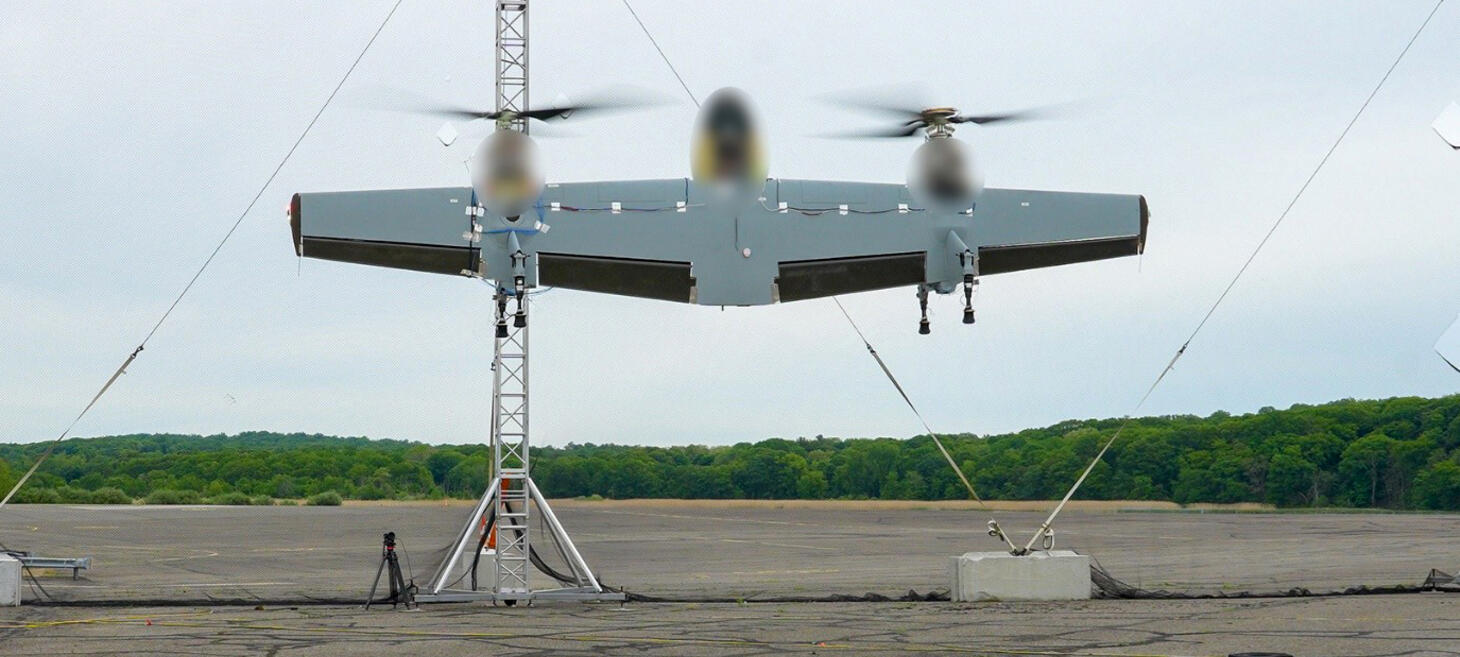
Flight tests of Sikorsky long-endurance drone continue under DARPA program
For the U.S. military and other customers interested in a vertical takeoff and landing aircraft with the endurance of a fixed-wing plane, Sikorsky hopes its flying wing drone in flight testing might fit the bill.
aiaa.org
SPACE
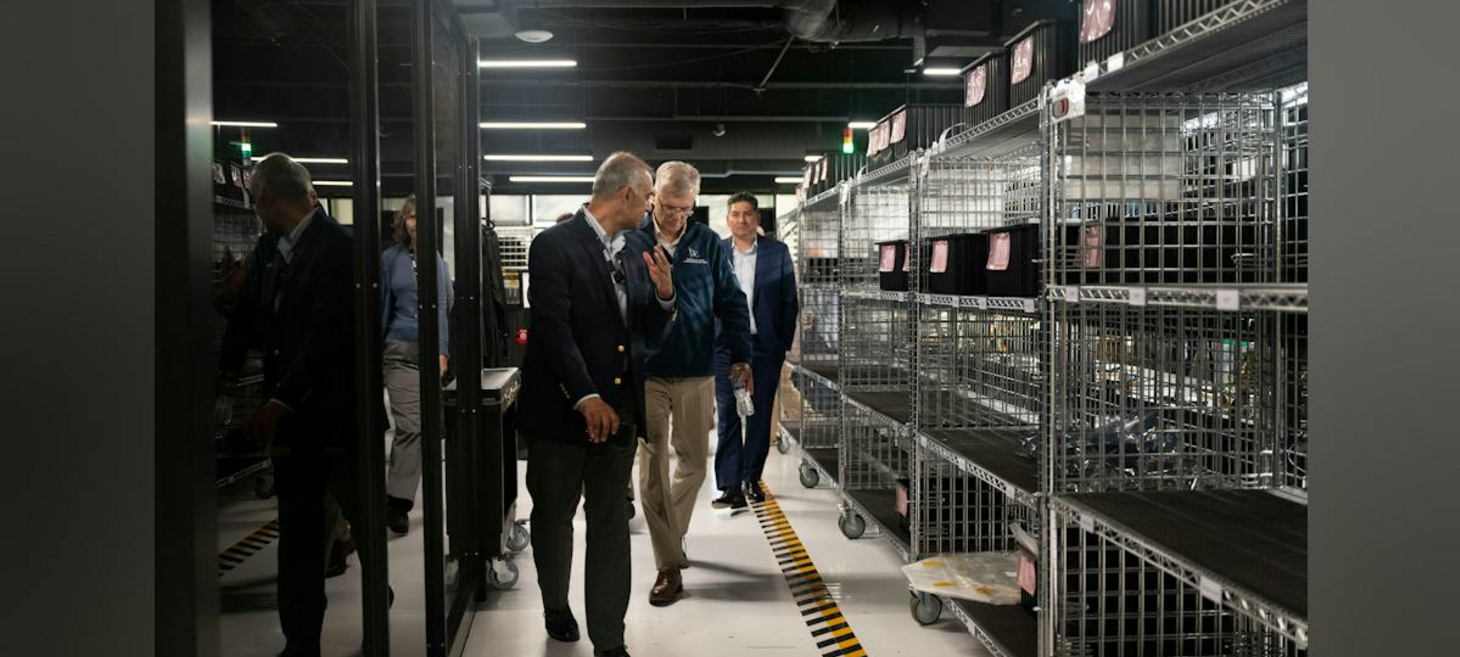
Viasat wins $450 million Space Force contract for space data network operations
SDN-B is a multi-vendor data transport architecture designed to provide resilient, high-capacity, low-latency connectivity for Space Force, Golden Dome for America, and Joint Force operations worldwide.
militaryaerospace.com
EUROPE
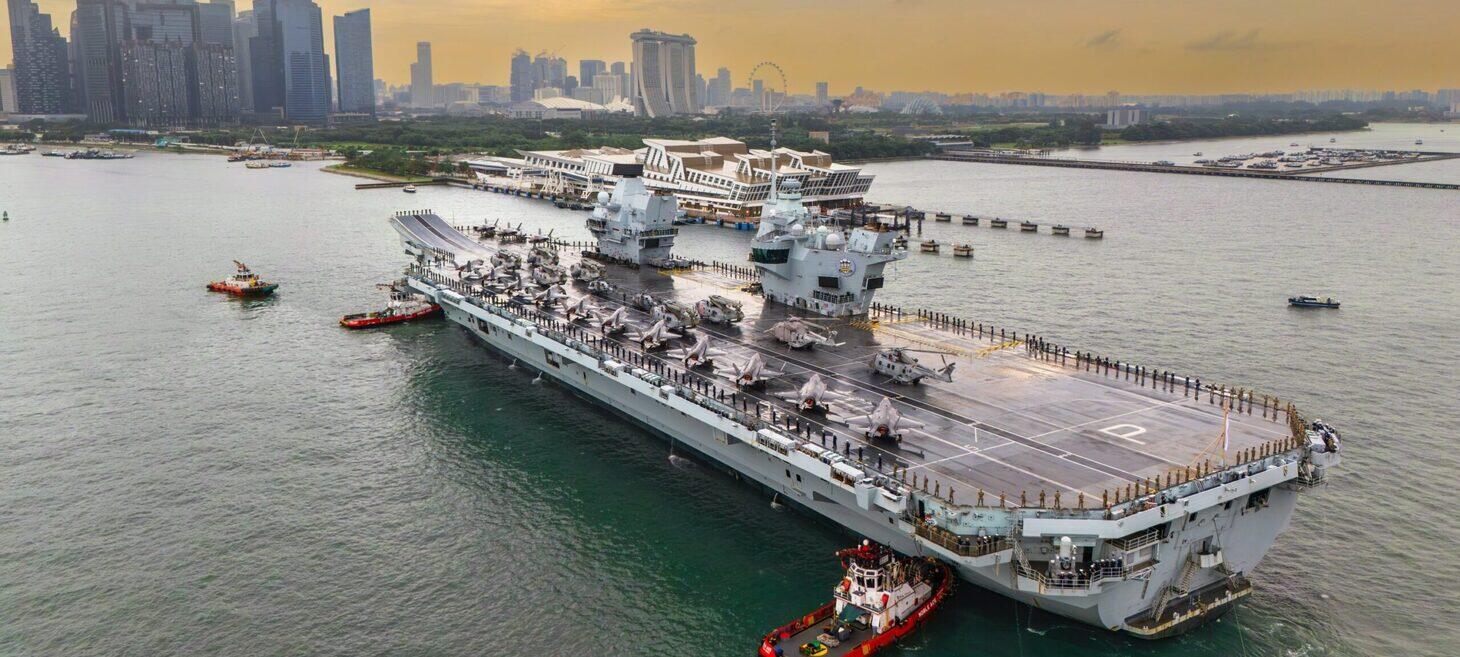
Why Britain needs a maritime-first defense strategy
As Germany and Poland build up their armies, Britain should look to its historic strengths at sea to secure its future role in European defense.
breakingdefense.com
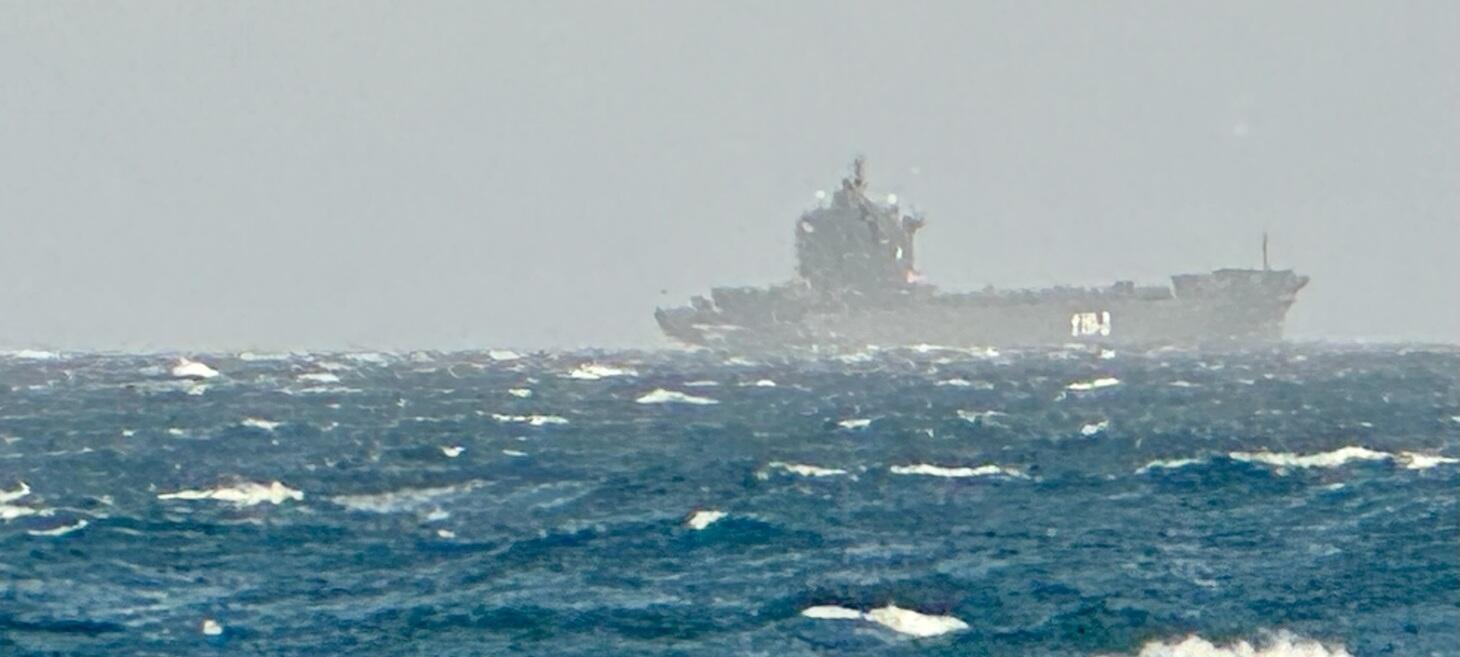
Dutch firm Optics11 in talks with navies on secretive underwater listening tech
Dutch startup Optics11 is in talks with dozens of navies about using its optical-fiber sensing technology for underwater monitoring and threat detection, with between five and ten navies already signed on as clients, Chief Executive Officer Paul Heiden said.
The company will have around 35 paid trials this year with navies testing its tech, Heiden told Defense News at the Euronaval maritime-defense exhibition outside Paris on Nov. 4. Those tests include several for the German Navy through various local defense-prime partners, as well as for Sweden, the United Kingdom, Belgium and France.
defensenews.com
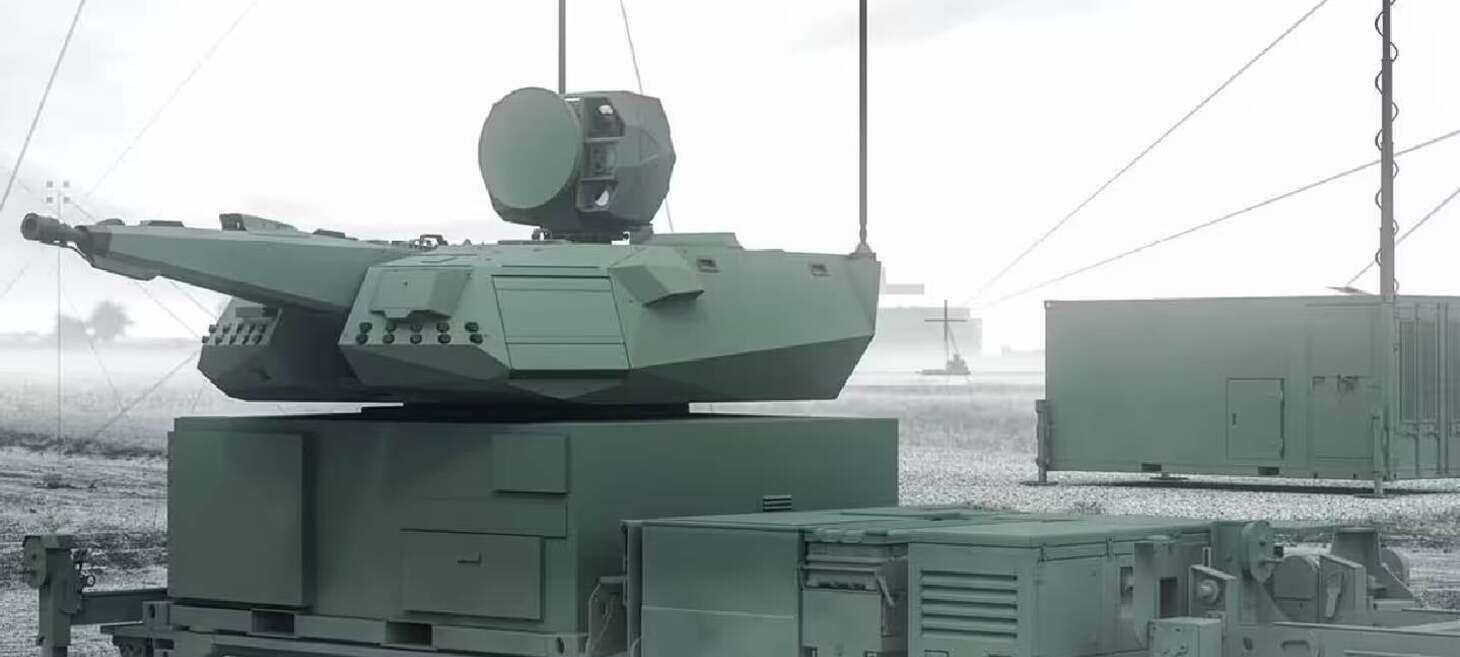
Belgium orders 20 Skyranger 30 air-defence systems
Belgium's new hooklift-mounted Skyranger 30 air-defence systems will secure critical infrastructure, with deliveries starting in late 2028.
army-technology.com
CHINA
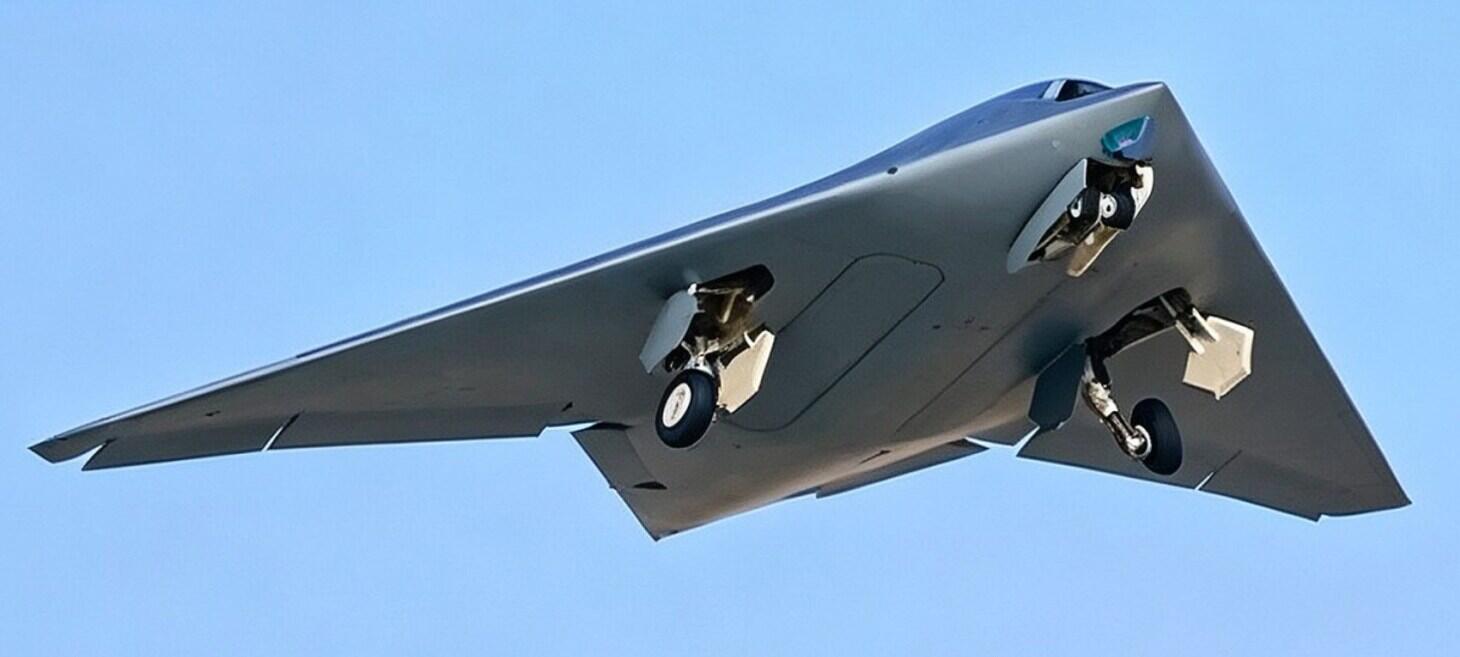
China Lifts The Veil On Its GJ-11 Mysterious Dragon Stealth UCAV
Beijing openly showcases the GJ-11 flying-wing combat drone and its strike and manned-unmanned teaming capabilities.
twz.com
ARMY
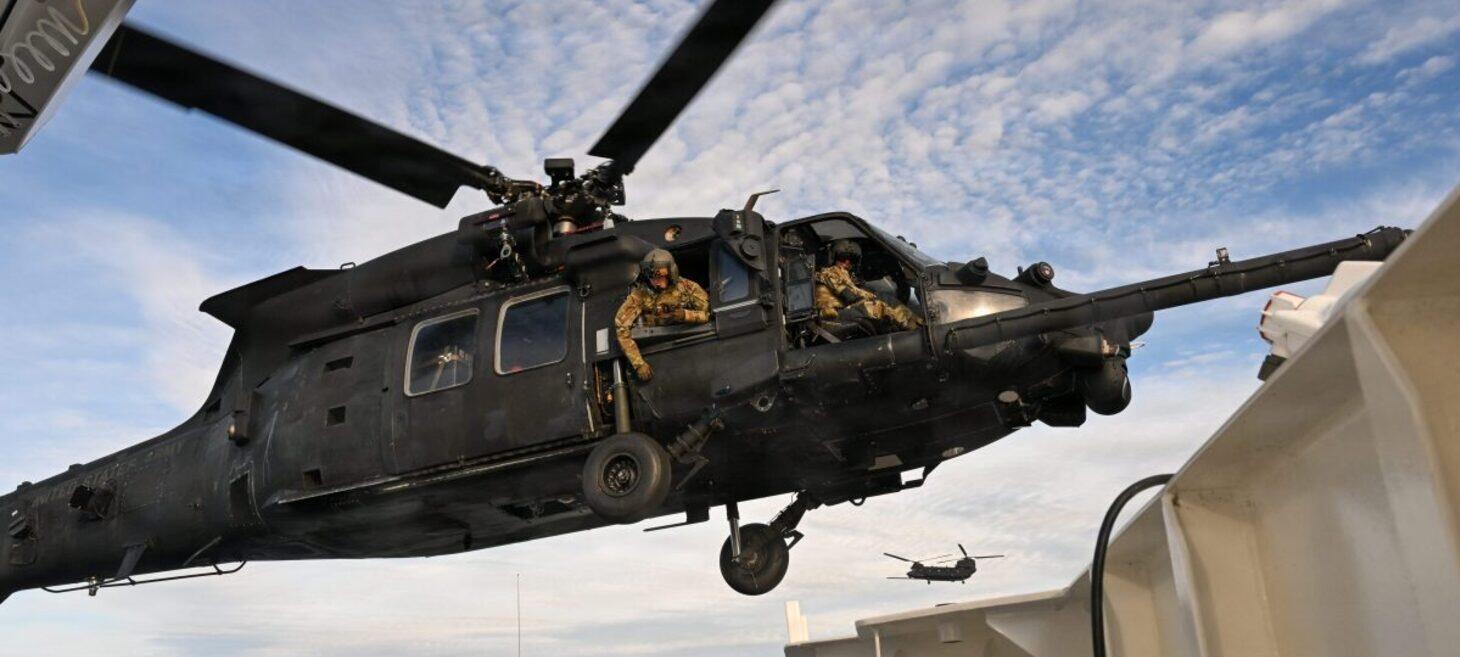
Why more pilots can now apply for the Army’s special ops helo unit
As flight hours decline, the 160th Special Operations Aviation Regiment lowered its requirements so more pilots can apply to join.
taskandpurpose.com
NAVY
USS Nimitz Trains New, Returning Naval Aviators
The aircraft carrier USS Nimitz returned to Naval Station Norfolk, Virginia, yesterday, completing its first east coast training underway in support of carrier qualifications for both new and experienced naval aviators.
Following a brief carrier air traffic control center recertification, the Nimitz began the qualifications for Carrier Air Wing 1 and Strike Fighter Squadron 106.
"The Nimitz team is beyond proud to support the training and education of our naval aviators at multiple stages of their development," said Navy Capt. Joseph Furco, Nimitz commander. "With two deployments to three areas of responsibility under our belts in the span of less than two years, this crew has invaluable knowledge and experience to pass on to the warfighters tasked with carrying the torch forward."
war.gov
Remote mine hunters silently trawl the waters as minesweepers go by the wayside
Autonomous capabilities give the Navy a way to clear mines without putting sailors in harm’s way.
breakingdefense.com
AIR FORCE
Air Force wants AI for cislunar space vehicles
The service is asking industry for ready-made software concepts that will shape future cislunar system requirements.
defensescoop.com
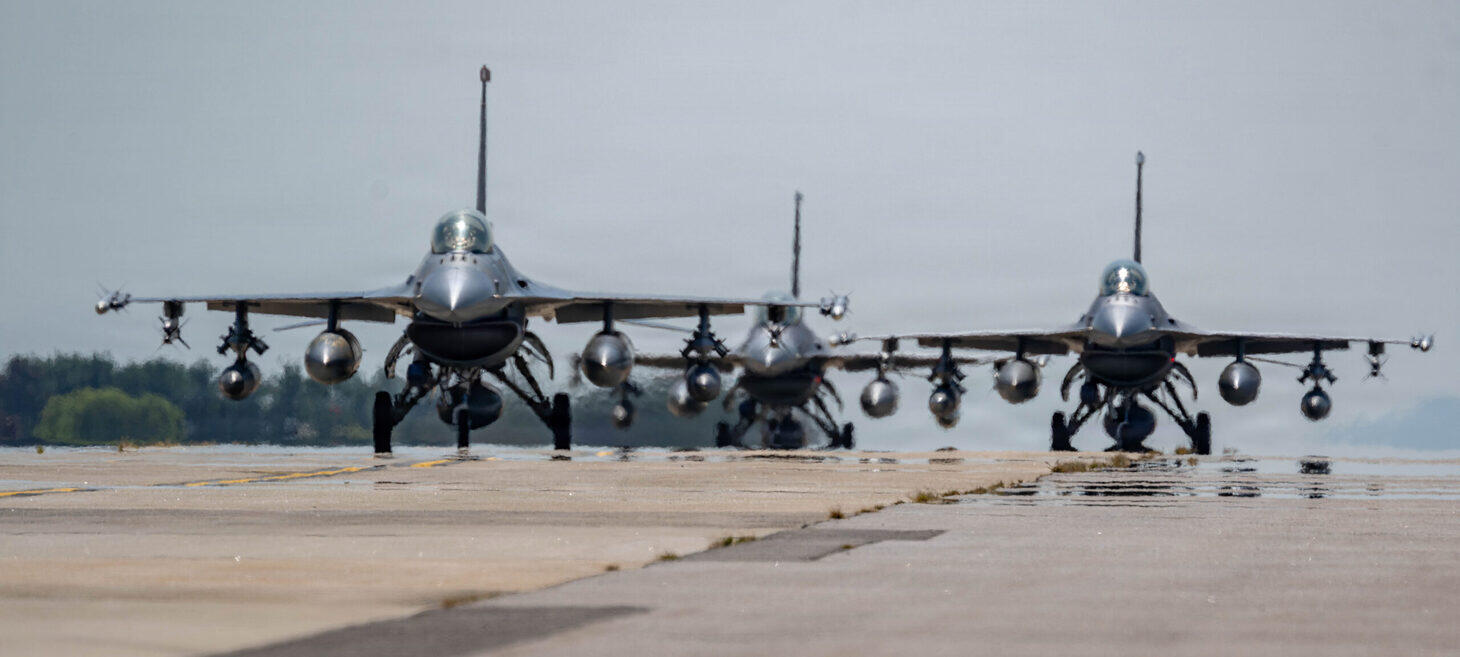
Air Force Announces Secret New Force Design
The Air Force announced Nov. 10 it has finished an updated force design plan, intended to spell out how it will use combat power in a future war against capable adversaries.
“Our Force Design is about the capabilities we will field that are necessary to fight and win in the future,” Air Force Chief of Staff Gen. Kenneth Wilsbach said.
airandspaceforces.com
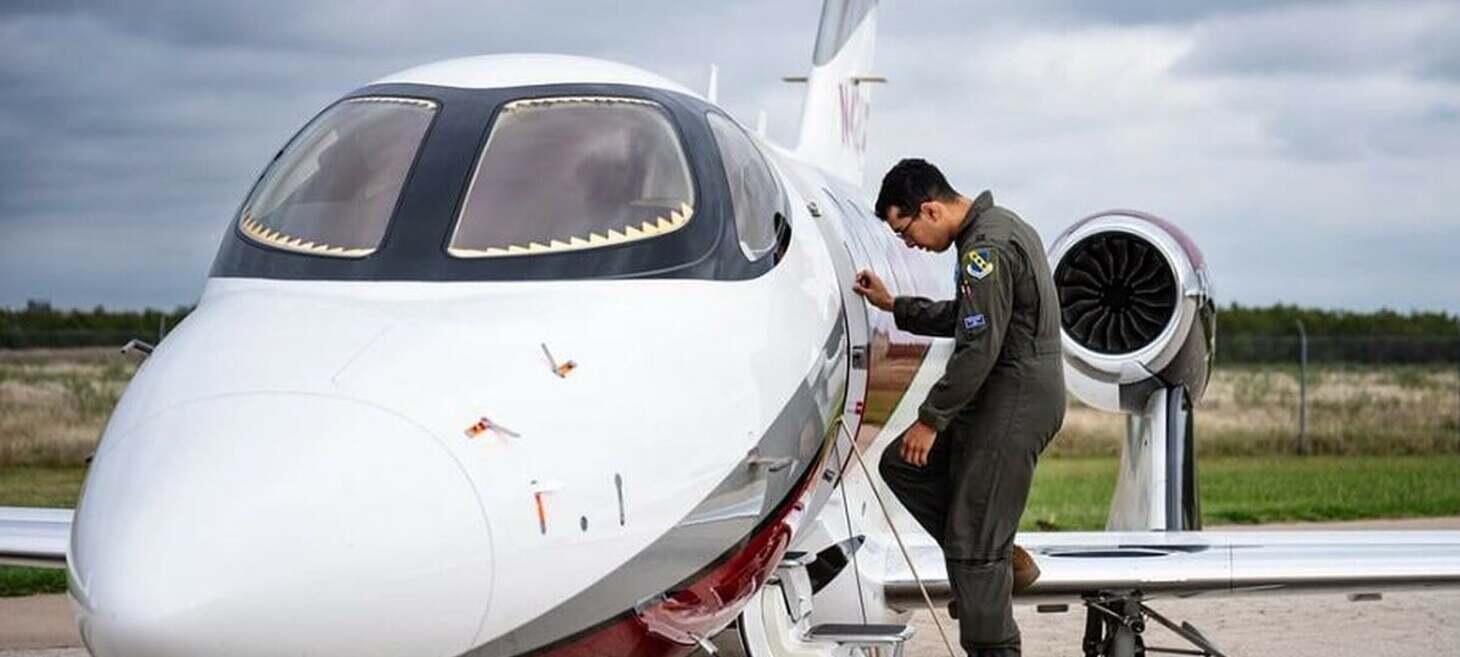
Why the Air Force Is Training B-1 Pilots in HondaJets
The Air Force is buying B-1 pilots cheap hours in HondaJets while the last public measure of the bombers they fly remains stuck at a 43 percent mission-capable rate.
sofrep.com
MARITIME
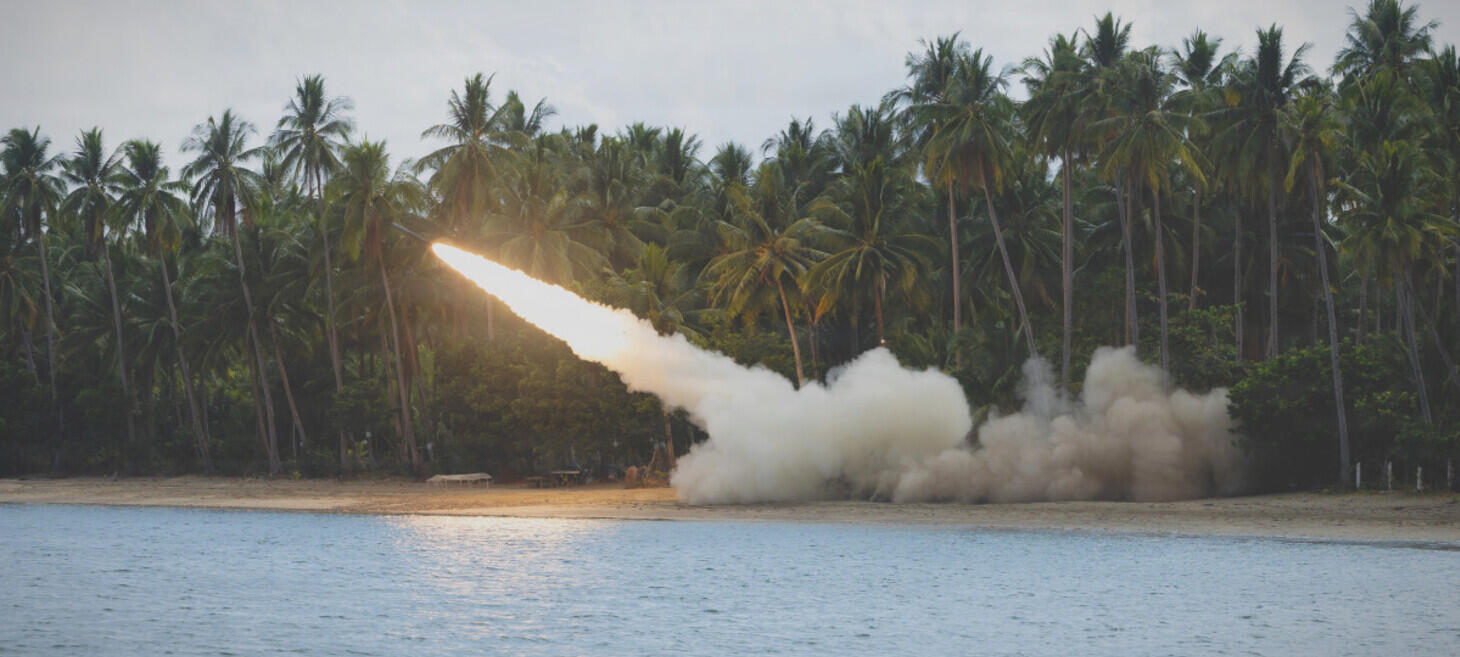
How the Army Fights (a Maritime War in the Pacific)
The Army has new operational warfighting guidance. General Christopher LaNeve’s How the Army Fights organizes landpower around four interdependent elements that enable operational maneuver: convergence, strike, close battle, and endurance. Although principally concerned with how expeditionary landpower can achieve strategic objectives, this framework has profound implications for maritime campaigns.
Nowhere is this more apparent than in the contested zones of the northwestern Pacific, where the US military and its allies face an adversary capable of contesting American access through integrated missile networks, maritime surveillance, electronic warfare, amphibious assault, and increasingly sophisticated networks of unmanned systems.
For the Army, this will require employing landpower to increasingly enable naval freedom of action while denying adversary aggression. In that context, the Army’s ability to seize and control terrain, employ fires across domains, integrate multidomain effects, and sustain distributed operations can transform archipelago and littoral networks into fortified positions of operational advantage.
westpoint.edu
RESEARCH

A Tale of Two Markets: A Dickensian Take on the Coming Years in Defense Tech
It’s a strange time for the defense technology sector. Despite the headlines of record capital, valuations, and defense budgets, there is a growing unease among investors and leadership teams. Production contracts remain as elusive as ever, and a generation of startups is struggling to extend their runways across the valley of death, risking not just those businesses but capital flight from the broader sector.
There is little point in trying to decide which one of these diverging narratives is real, or if a defense technology market collapse is imminent. To understand what’s really happening, we should recognize that things are getting Dickensian.
warontherocks.com