
INNOVATION

How the Pentagon wants to buy cyber outcomes, not equipment
The Pentagon has been exploring a new paradigm dubbed Cyber Effects-as-a-Service, aiming to purchase specific outcomes as opposed to bespoke capabilities.
breakingdefense.com
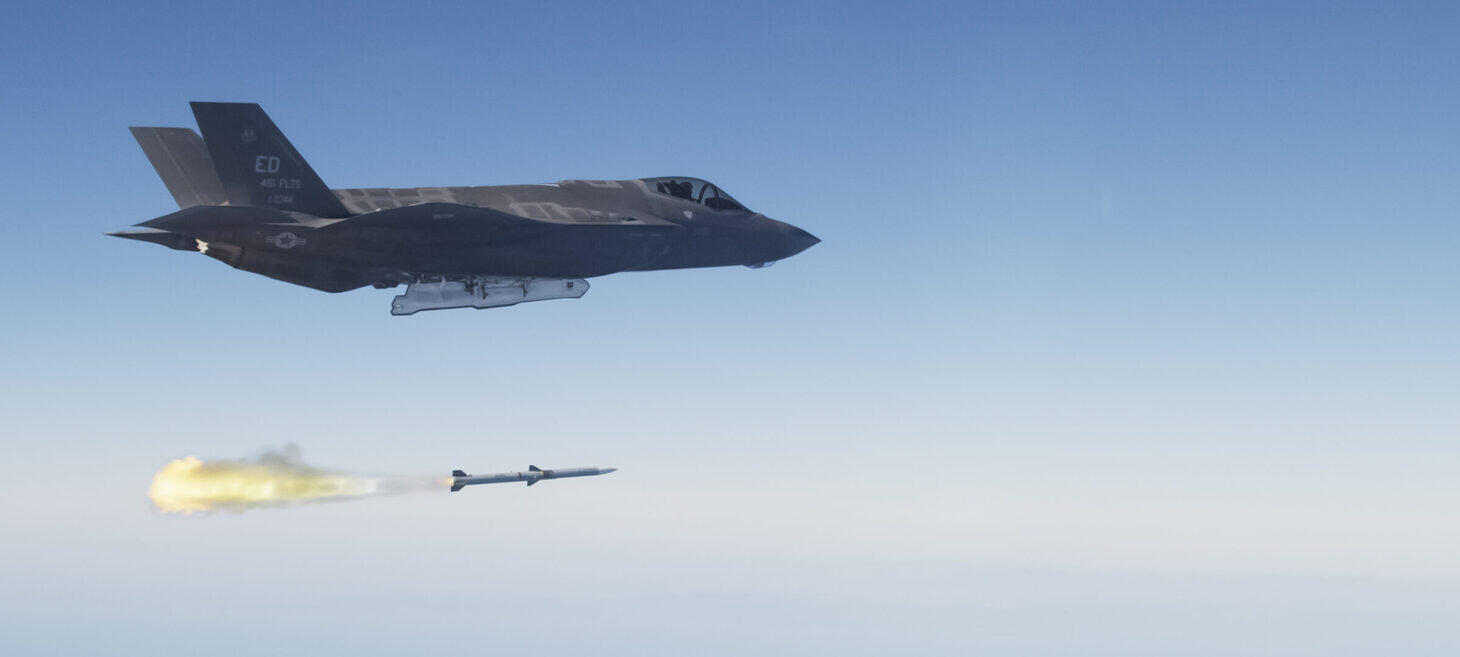
US and Japan Finalize Agreement for AMRAAM Facility
At a high-profile meeting of defense ministers in the Philippines this week, U.S. and Japan leaders finalized an agreement to establish a production facility in Japan for the AIM-120 Advanced Medium-Range Air-to-Air Missile, following a massive $20.7 billion Pentagon contract to expand production of the missile over the next seven years.
airandspaceforces.com
INVESTMENT
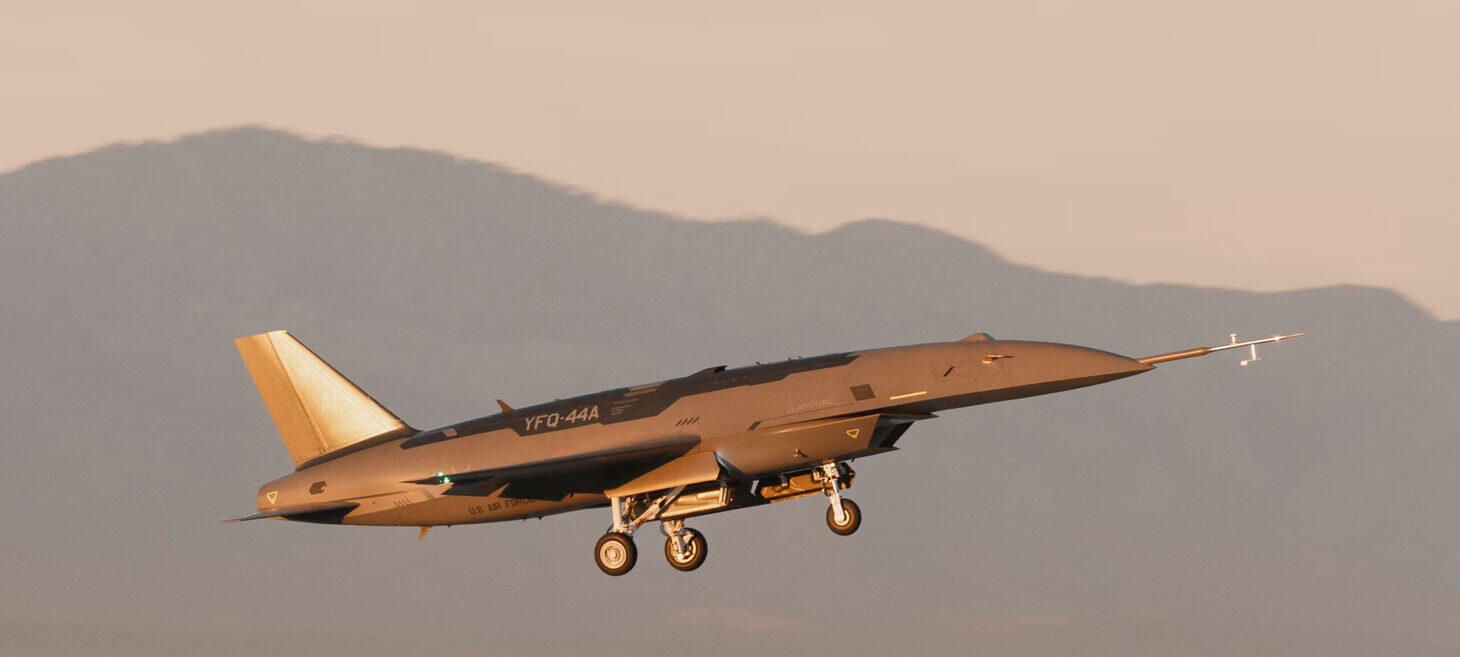
Nominal Secures $71M to Expand Across Collaborative Combat Aircraft Testing
The testing startup announced yesterday that it’s been selected for a $71.2M AFWERX Strategic Funding Increase (STRATFI)—split between $30M of Nominal’s own cash and $41.2M of government funding—to expand its work across the Air Force’s Collaborative Combat Aircraft testing program to make sure those loyal wingmen are field-ready ASAP.
tectonicdefense.com
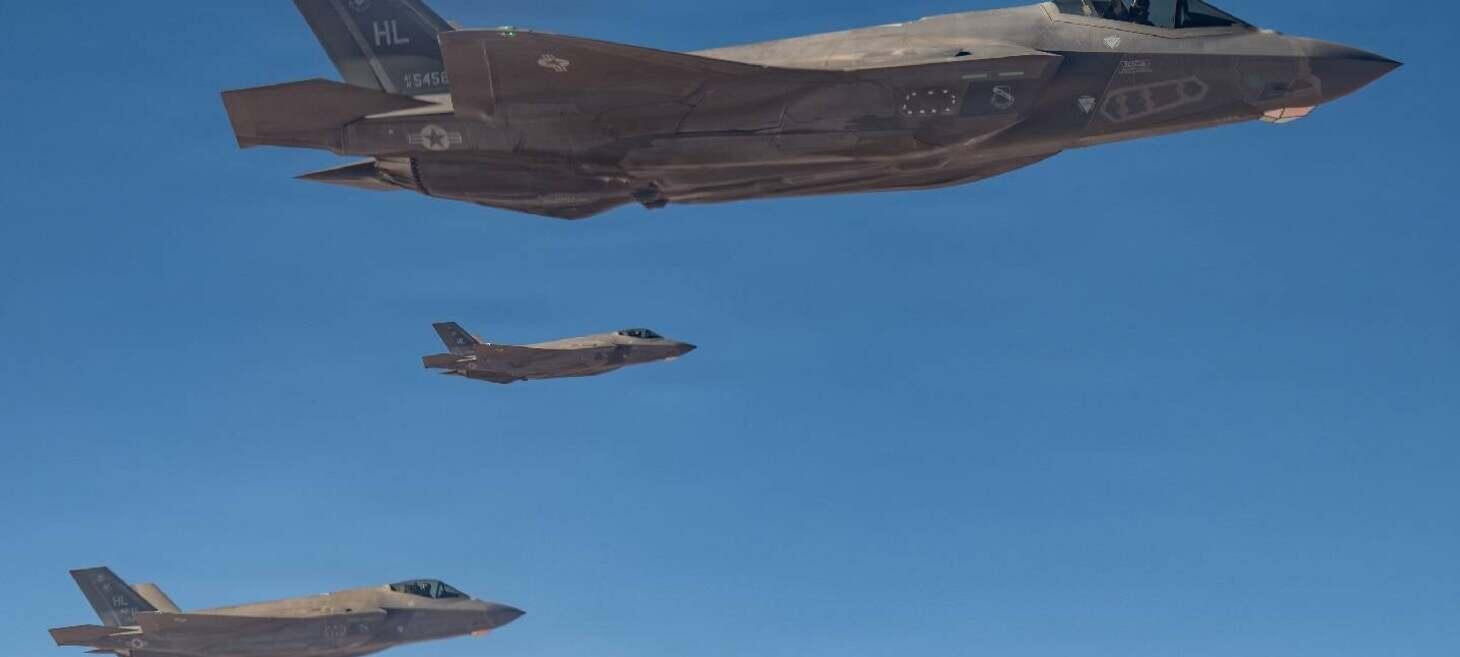
US and Lockheed Martin set out 10-year framework for F-35 production
The proposed arrangement, pending congressional approval and funding, covers production, spares and sustainment.
airforce-technology.com
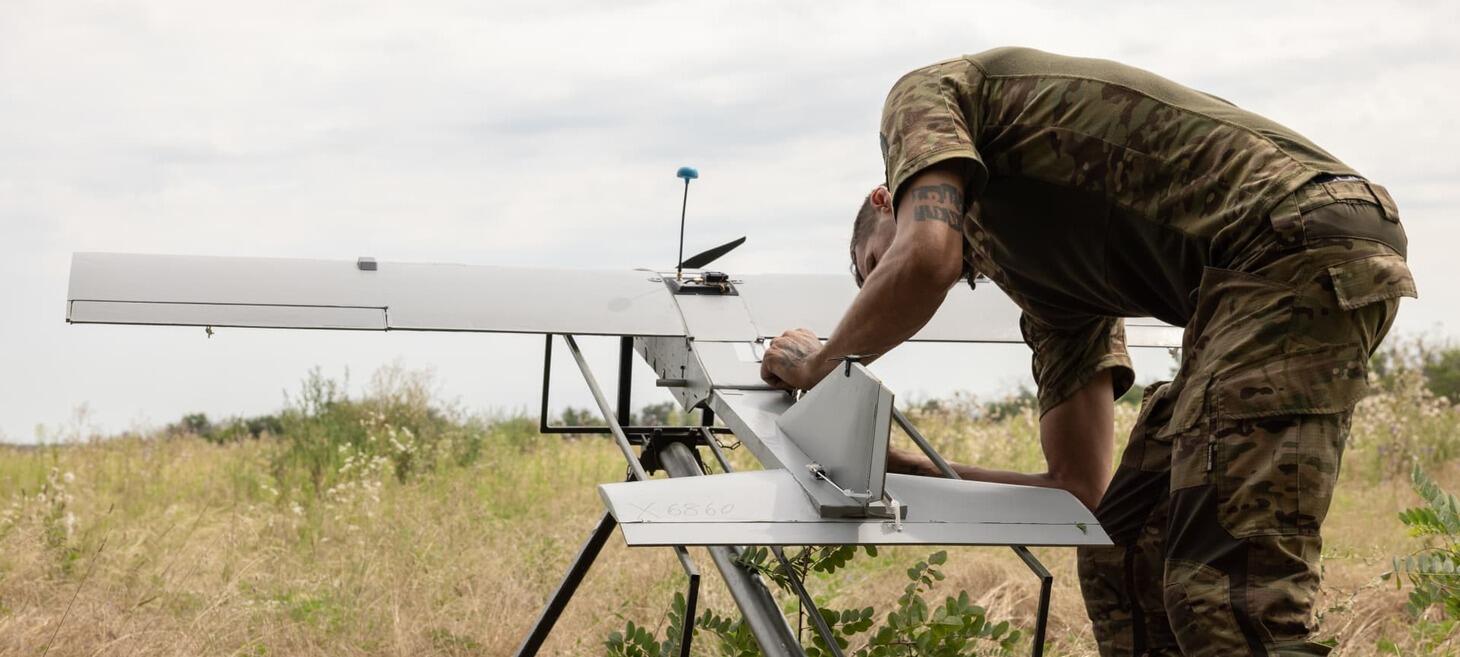
Private equity pours billions into defense tech as investors debate bubble
Private equity firms are pouring billions into defense technology as rising military spending and geopolitical tensions fuel an investment boom.
Traditional buyout investors are increasingly backing younger, high-growth firms in the sector, according to PitchBook data, with private equity growth investments in defense reaching $4 billion in the first nine months of 2026, up from $500 million in 2024.
As defense tech companies mature, analysts say private equity, debt and other forms of financing are expected to become more important in bridging the gap between innovation and industrial-scale production, as venture capital alone may not be enough to finance companies’ expansion.
cnbc.com
AI
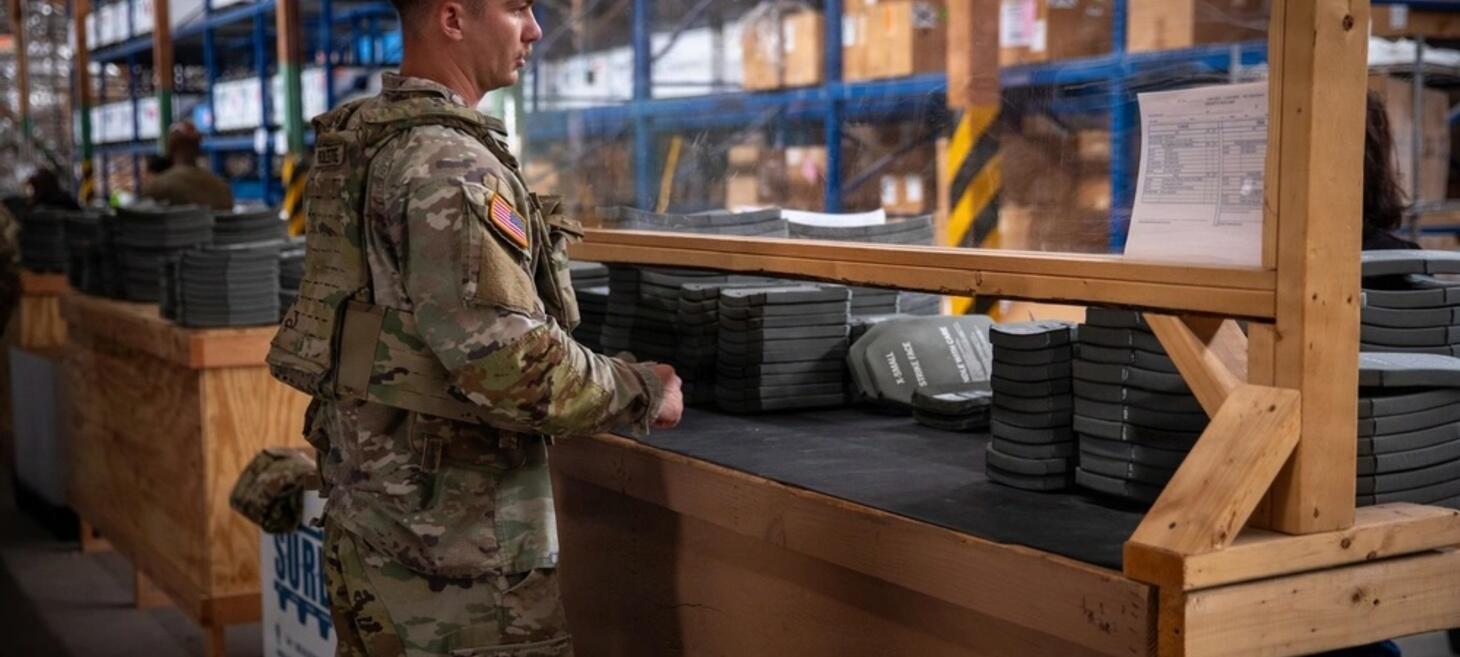
Gallatin AI Raises $50M to Expand Military Logistics AI
The investment will support engineering growth and product development as the company expands its AI-enabled sustainment capabilities across US military operations.
militaryai.ai
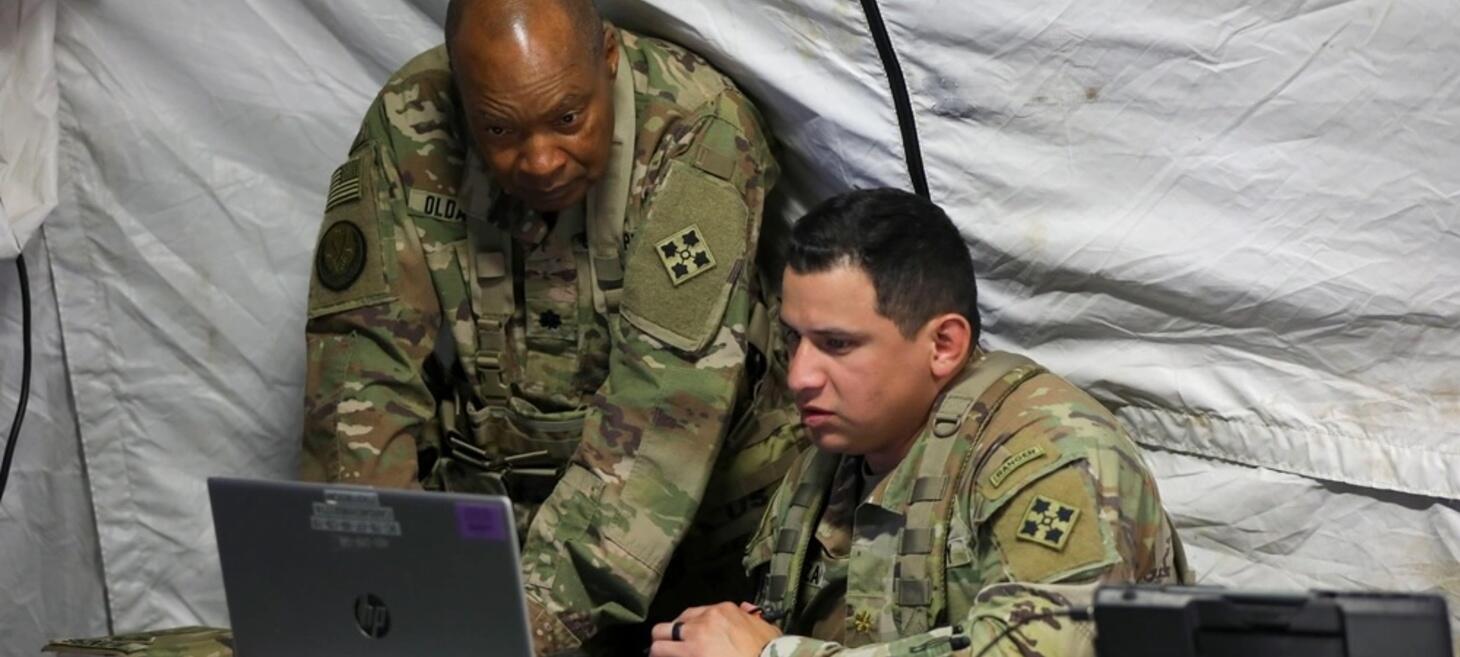
Virtualitics Clears Its Military AI Platform for Secret-Level Ops
The authorizations clear the way for AI-driven analysis of military maintenance, logistics, personnel, and force readiness data in secure environments.
militaryai.ai
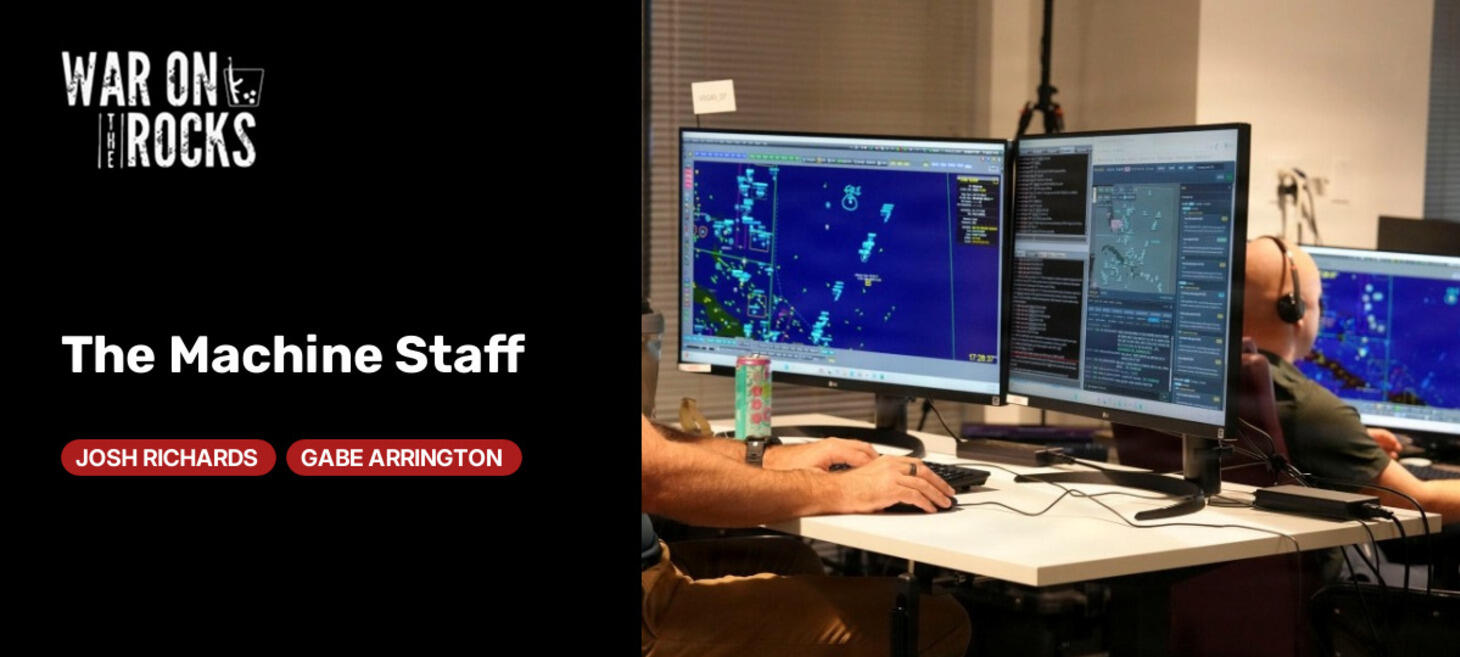
The Machine Staff
At Nellis Air Force Base last year, an AI system was tasked with building courses of action, a complex operational problem that military planners have spent generations learning to perform. The AI system took less than a minute to complete its task with solutions rated at 97 percent viable and tactically valid (essentially, whether the proposed plan could work given operational constraints such as fuel and force composition). By contrast, their human counterparts took roughly 19 minutes and only reached 48 percent viability.
warontherocks.com
TECHNOLOGY
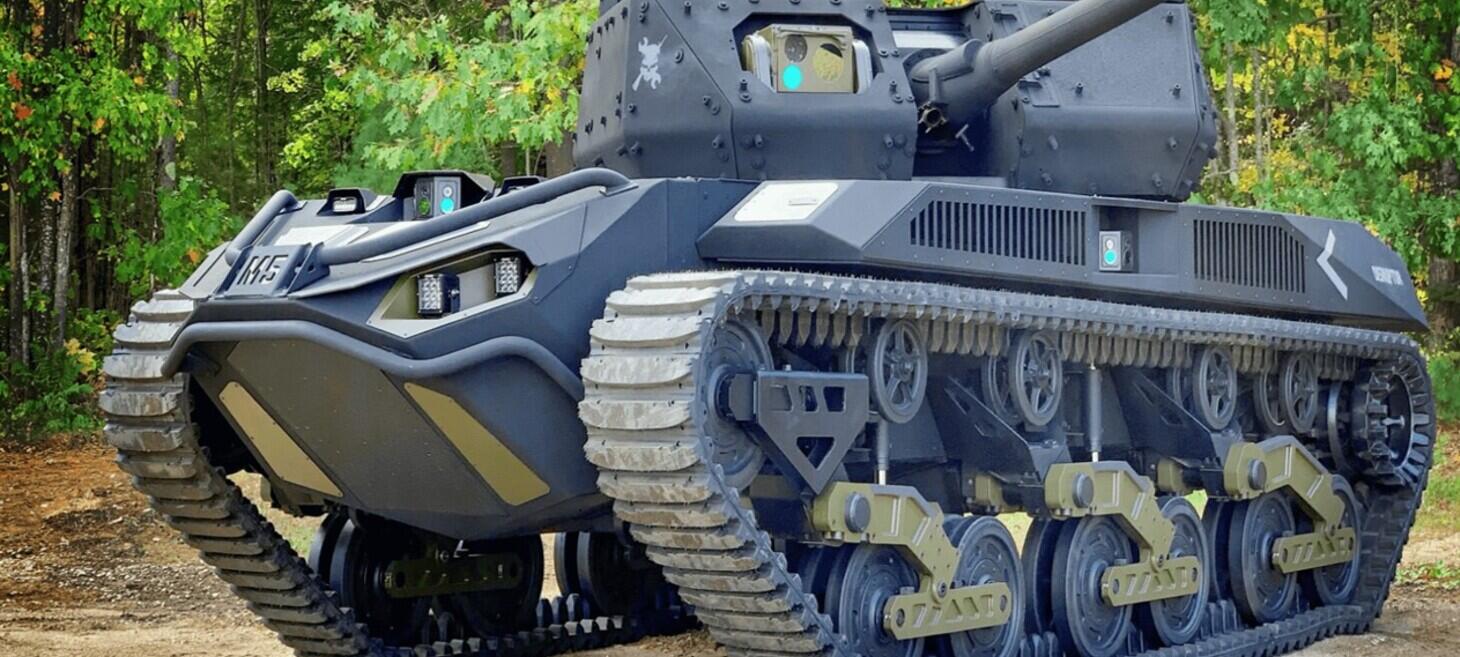
Textron Has a New Shortcut to Making Military Vehicles Robotic
Textron’s CoreMotion kit adds robotic controls to new and existing military vehicles without requiring a complete redesign.
nextgendefense.com
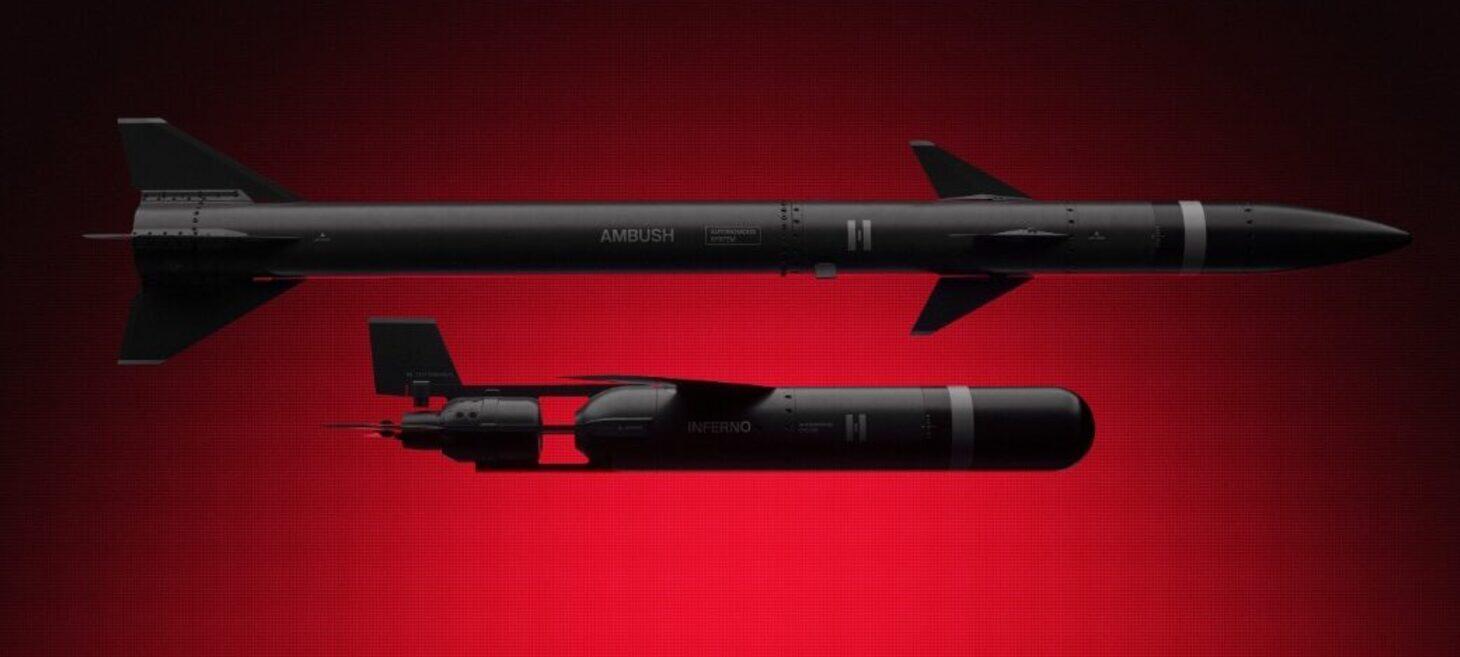
Helsing rolls out Contra air defense design, plus two new inteceptors
The company claims the Contra system can track and engage “hundreds or thousands of drone and missile threats at the same time.”
breakingdefense.com
POLICY

US Military Spending on Iran War Surges Past $47 Billion
The US has spent more than $47.1 billion prosecuting the war in Iran, according to fresh Pentagon data provided to Congress by the US Central Command.
The figure represents a significant jump from earlier estimates, driven largely by operational demands and the high consumption of advanced weaponry, multiple outlets reported.
Of the overall cost, the largest single expenditure accounts for more than $29 billion dedicated to replacing expended munitions, such as defensive missile interceptors.
thedefensepost.com
EUROPE
Helsing Unveils Contra for Air Defense
European defense tech darling Helsing rolled out a new AI-powered air defense system it’s calling Contra, designed to protect against “scaled drone and missile attacks.”
tectonicdefense.com

Peter Sarlin’s road to European defence
A closer look at the founder of NestAI, the startup that raised €100M with an ambition to build more AI sovereignty for Europe's militaries
resiliencemedia.co

Sweden selects Raytheon UK anti-jamming systems for military platforms
The contracts cover Landshield equipment designed to help protect GPS signals used by Swedish military platforms from electronic warfare.
army-technology.com
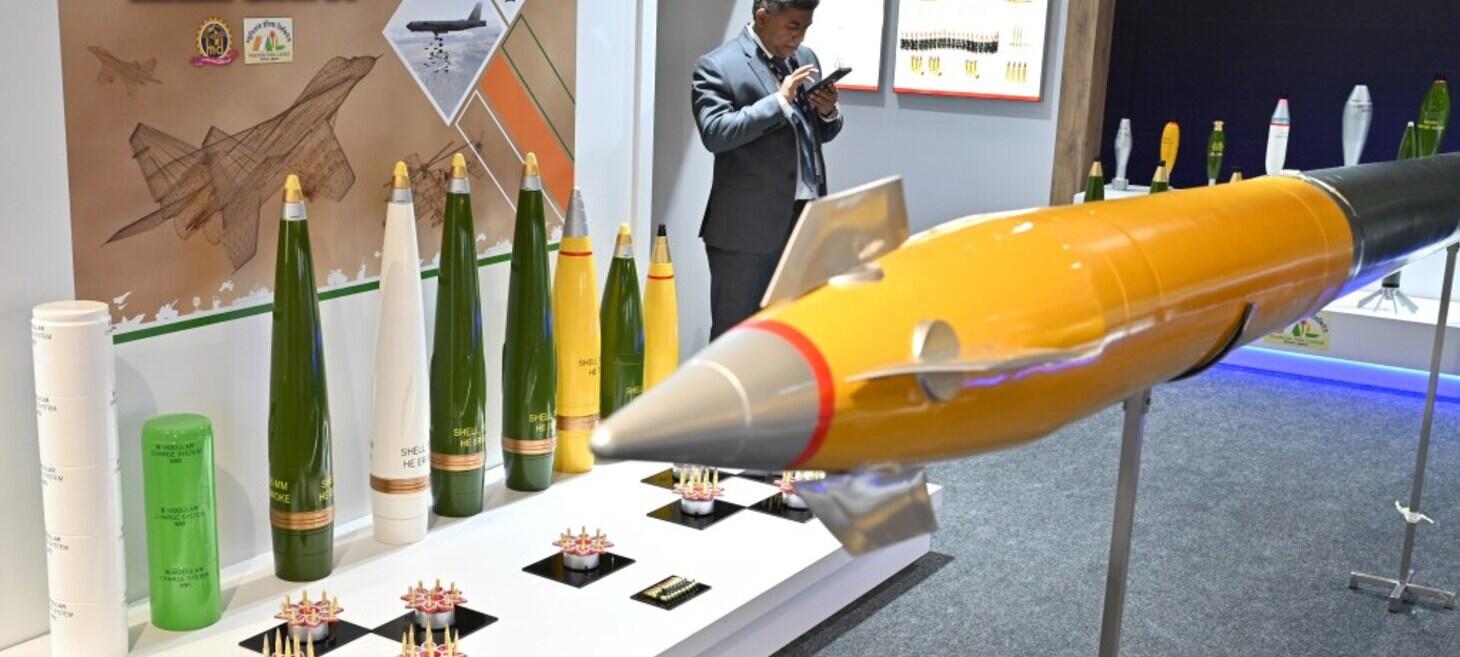
India capitalizes on Europe’s growing demand for ammunition
India’s defense exports to Europe have surged, driven largely by demand for ammunition and artillery shells as European countries ramp up military spending amid Russia’s war in Ukraine.
The rising exports could pave the way for deeper industrial cooperation between the two sides.
defensenews.com
SECURITY

What happens when security tools go dark before the ransomware
A China-linked ransomware crew disabled the security tools at a critical infrastructure operator before it launched the encryptor. Most security budgets never priced that in.
cyberscoop.com
STARTUPS

Defense tech firm Air opens $450M Pittsburgh office
The defense software firm employs about 100 engineers in Pittsburgh and expects to double headcount as military contracts surge across Pennsylvania.
technical.ly
DRONES
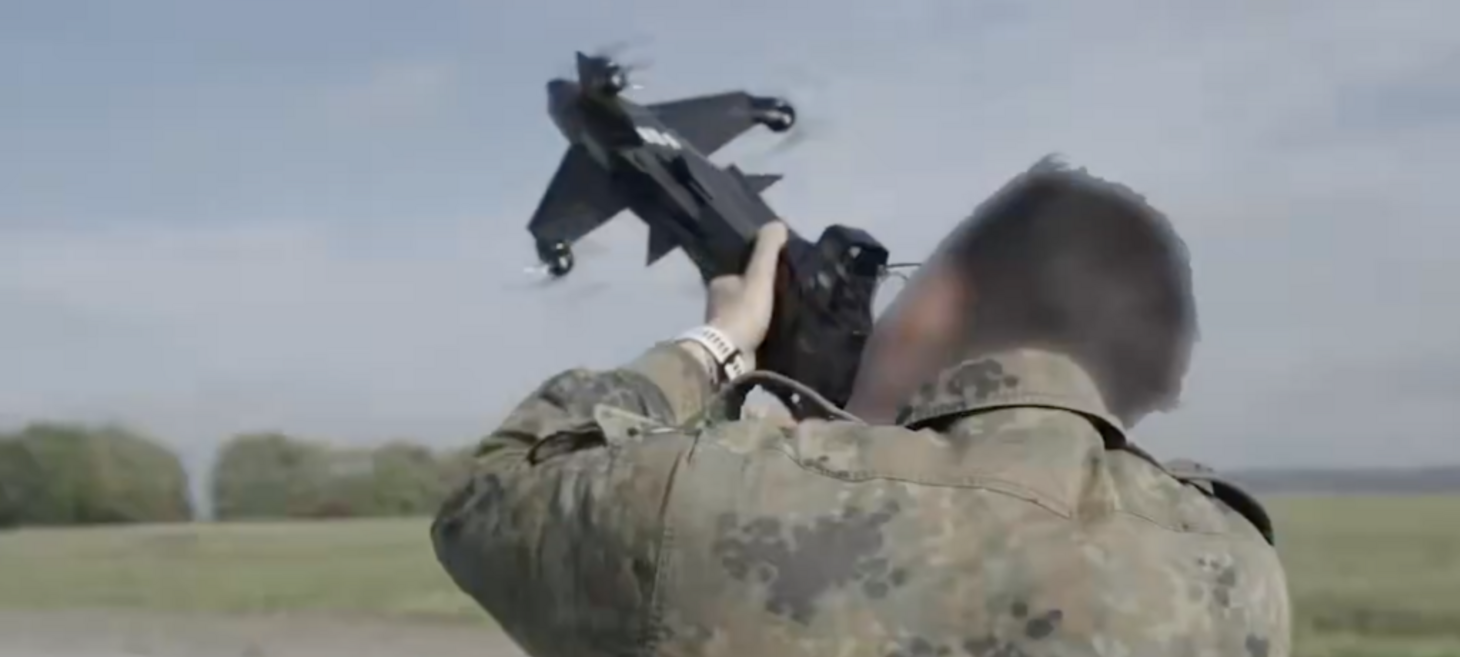
A Drone Interceptor Fired Like a Bullet? Meet Auterion’s Talon
The Talon interceptor is fired from a gun-style launcher, taking down targets by collision instead of an explosive warhead.
nextgendefense.com
MARITIME
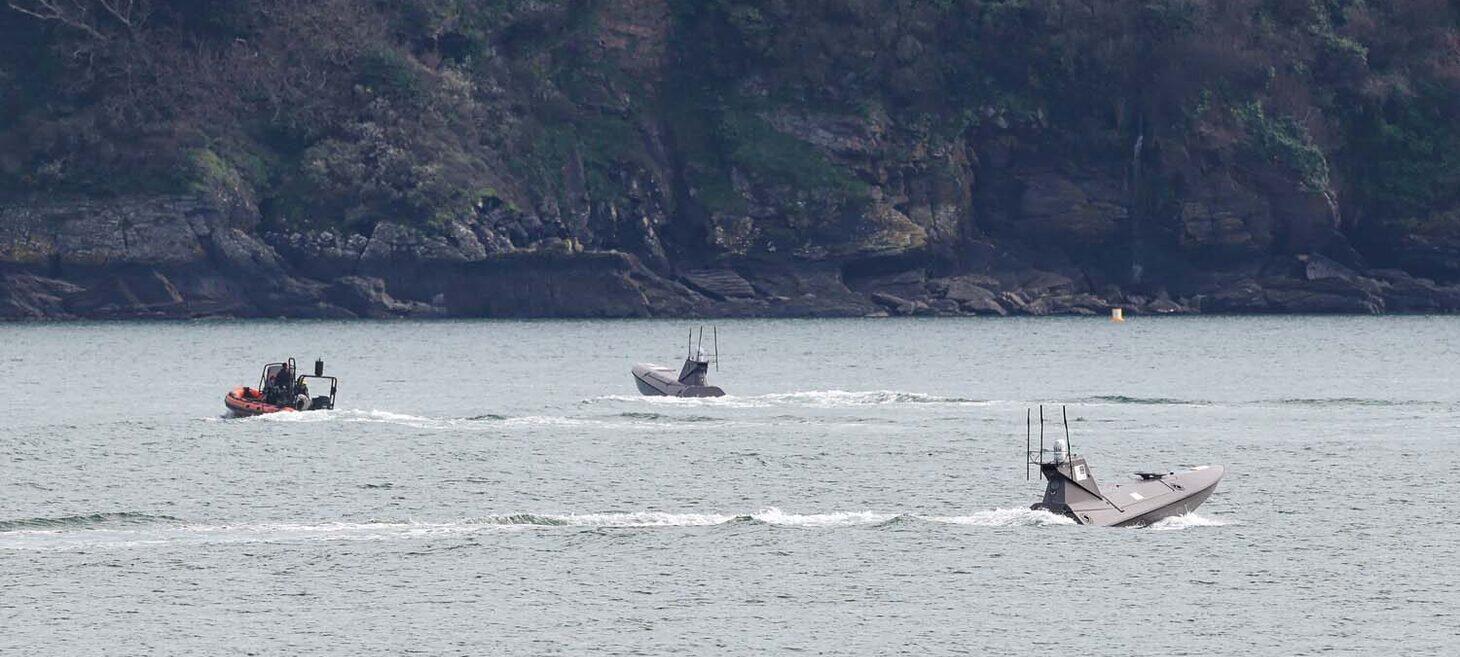
AUKUS partners test autonomous systems as Europe weighs maritime surveillance needs
The UK headed up the anti-submarine warfare component of Maritime Big Play exercise, which took place off the coast of San Diego in October.
breakingdefense.com
ARMY

At last, Army seeing progress in Pacific network
Recent exercises suggest the service and its foreign partners are moving closer to a single-screen data system.
defenseone.com
NAVY
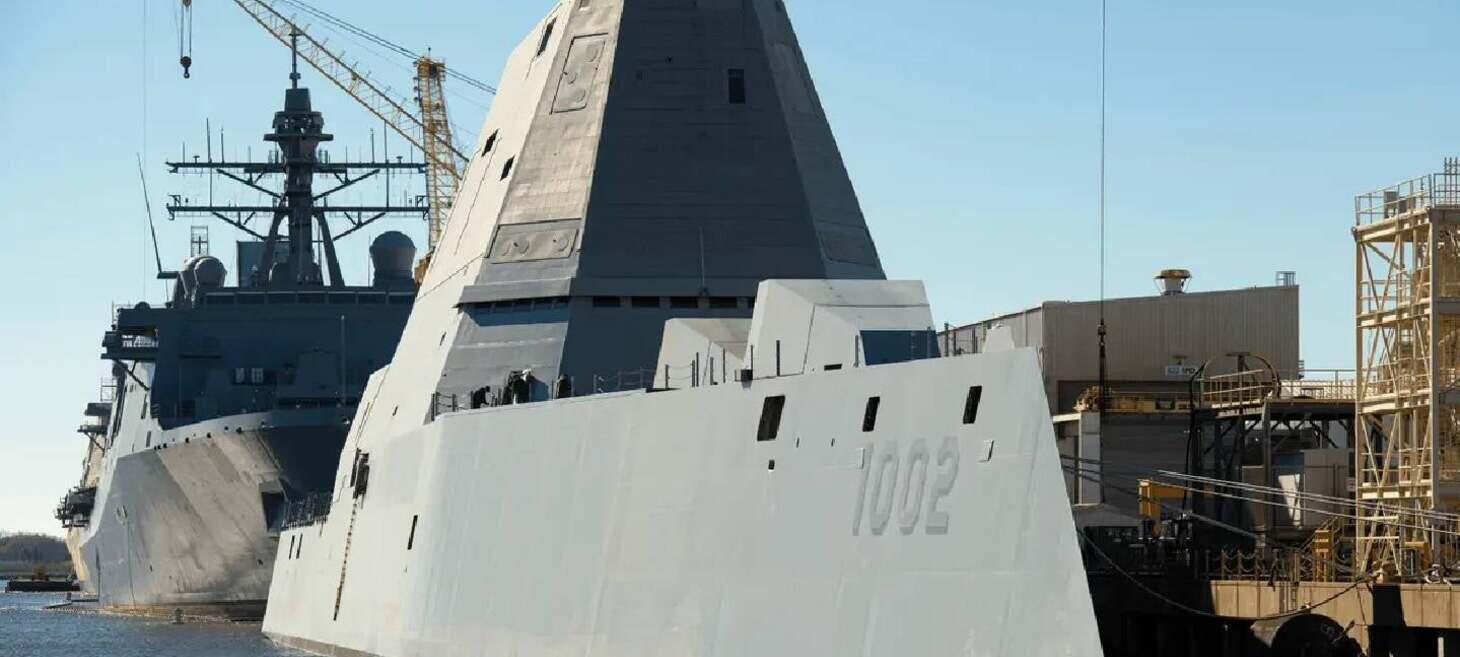
HII receives US Navy contract for Lyndon B Johnson sea trials
The award covers testing for the third Zumwalt-class destroyer, which is also being prepared for the Conventional Prompt Strike system.
naval-technology.com
AIR FORCE
Air Force Exploring Creative Ways to Produce More Pilots
The Air Force has been battling a chronic pilot shortage for the better part of a decade, and its leaders have said it will take at least that long to fill. Closing the gap is not simply a recruitment challenge, but a complex equation of time and technology with no shortcuts.
The service currently has a deficit of nearly 2,500 pilots. Air Force leaders have indicated the shortage is largely in staff officer positions that could take 15 to 20 years to fill.
nationaldefensemagazine.org